

 English
 Español
Industry News
Passenger elevators are one of the most essential components of modern buildings. Whether you're in a high-rise office tower, a mid-rise apartment complex, or a small commercial building, the elevator you choose directly affects the comfort, safety, and daily experience of everyone who uses it. This guide breaks down everything you need to know — from how they work to how to pick the right one.
How Passenger Elevators Actually Work
At their core, passenger elevators are vertical transportation systems designed to move people between floors safely and efficiently. Most modern elevators operate using one of two main drive systems: traction or hydraulic. Understanding the difference helps you appreciate why certain elevator types are better suited for specific buildings.
Traction elevators use steel ropes or belts attached to the elevator car, which run over a pulley connected to an electric motor. A counterweight on the opposite side of the ropes balances the weight of the car, making the system energy-efficient. These are the most common elevators found in mid- to high-rise buildings because they can travel at higher speeds and reach greater heights.
Hydraulic elevators, on the other hand, use a fluid-driven piston to push the car upward. They're typically used in low-rise buildings of up to five or six floors. While they're less expensive to install, they tend to be slower and consume more energy than traction systems.
Types of Passenger Elevators You'll Commonly See
Not all passenger elevators are built the same. The type that's right for a building depends on factors like height, traffic volume, budget, and architectural design. Here are the most common types in use today:
Geared and Gearless Traction Elevators
Geared traction elevators use a gearbox connected to the motor to control speed, making them cost-effective for mid-rise buildings. Gearless traction elevators connect the motor directly to the pulley, offering smoother rides and faster speeds — ideal for skyscrapers and high-traffic buildings. Gearless models are more expensive but far more durable and energy-efficient over time.
Machine Room-Less (MRL) Elevators
MRL elevators are a modern innovation that places the drive machinery inside the elevator shaft itself, eliminating the need for a dedicated machine room above or below the shaft. This makes them popular in buildings where space is at a premium. They're energy-efficient, have a smaller footprint, and are well-suited for low- to mid-rise applications.
Hydraulic Passenger Elevators
As mentioned earlier, hydraulic models are a practical choice for buildings with fewer than six floors. They require a pit below the elevator for the piston but do not need overhead hoisting equipment. Their lower upfront cost makes them attractive for smaller commercial buildings, hotels, and residential complexes.
Pneumatic Vacuum Elevators
A newer and increasingly popular option, pneumatic vacuum elevators use air pressure differences above and below the car to move it up and down. They have a distinctive transparent tube design, require no cables or pulleys, and are often seen in upscale residential settings. They're compact and self-supporting, needing no pit or machine room.
Key Safety Features Every Passenger Elevator Should Have
Safety is non-negotiable when it comes to vertical transportation. Modern passenger elevators are equipped with multiple redundant safety systems to protect riders under virtually any condition. Here's what to look for:
- Governor and Safety Brakes: A centrifugal governor monitors the speed of the elevator car. If the car descends too fast, the governor triggers mechanical safety brakes that grip the guide rails and bring the car to a controlled stop.
- Door Sensors: Infrared or mechanical sensors prevent the doors from closing on passengers. Modern systems use full-length light curtains that detect obstructions at any height, not just at waist level.
- Emergency Communication: Every compliant passenger elevator must include a two-way communication device so passengers can contact building staff or emergency services if trapped.
- Backup Power and Lighting: Battery backups keep the elevator operational during power outages or, at minimum, allow it to travel to the nearest floor and open its doors so passengers can exit safely.
- Overload Protection: Sensors detect when the car exceeds its rated load capacity and prevent departure until the excess weight is removed.
- Buffer Systems: Located at the bottom of the shaft, buffers absorb the impact if the car or counterweight travels past the lowest landing, preventing a hard collision.
Passenger Elevator Capacity and Speed: What the Numbers Mean
Two of the most important specifications when evaluating passenger elevators are load capacity and travel speed. These directly affect how well an elevator serves a building's occupants during peak hours.
| Building Type | Typical Capacity | Typical Speed |
| Low-Rise Residential (2–5 floors) | 400–680 kg (6–10 persons) | 0.5–1.0 m/s |
| Mid-Rise Commercial (6–20 floors) | 680–1000 kg (10–15 persons) | 1.0–2.5 m/s |
| High-Rise Office (20+ floors) | 1000–1600 kg (15–24 persons) | 2.5–10 m/s |
| Skyscrapers / Supertall Buildings | 1600–2000+ kg | 10–20+ m/s |
When planning elevator installations, building engineers use a metric called "handling capacity" — typically expressed as the percentage of building occupants the elevator system can move within a five-minute peak period. A well-designed system for an office building should handle around 12–15% of total occupancy in five minutes.
What to Look for When Choosing a Passenger Elevator
Selecting the right passenger elevator for a building involves more than just picking a model from a catalog. Several practical and technical factors need to align with your building's specific requirements.
Building Height and Traffic Volume
The taller the building and the more people it serves, the more critical speed and capacity become. A low-traffic residential building can get by with a single mid-speed unit, while a busy office tower may need a bank of high-speed elevators divided into zones — lower floors served by one group, upper floors by another — to minimize waiting times.
Energy Efficiency Ratings
Modern passenger elevators can account for a significant share of a building's energy consumption. Look for systems with regenerative drives, which feed electricity back into the building grid when the elevator descends with a heavy load or ascends with a light one. LED lighting, standby modes, and variable-frequency drives (VFDs) also contribute substantially to energy savings over the lifetime of the unit.
Cabin Design and Interior Finishes
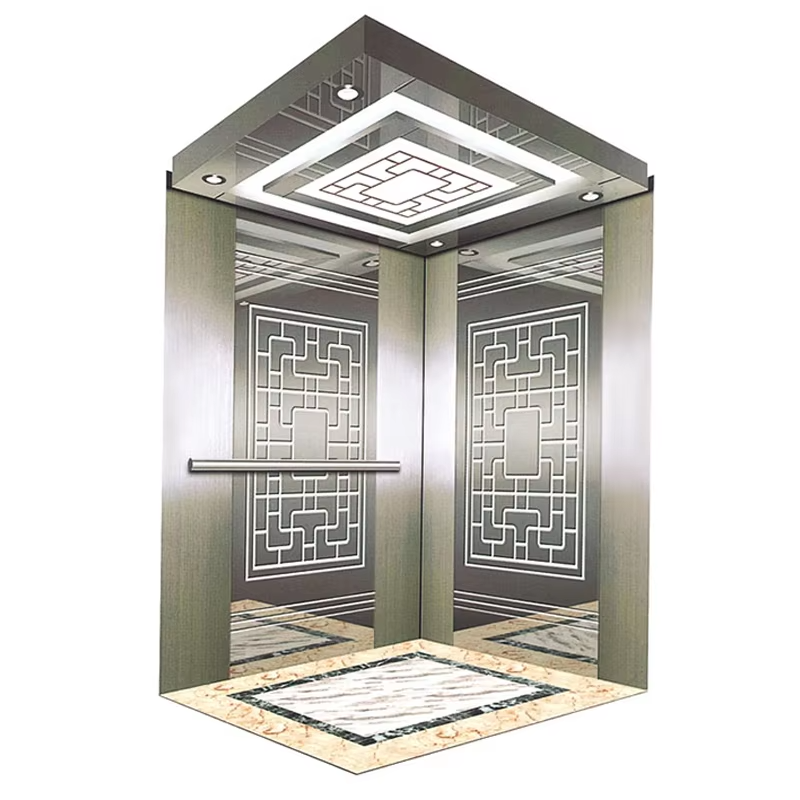
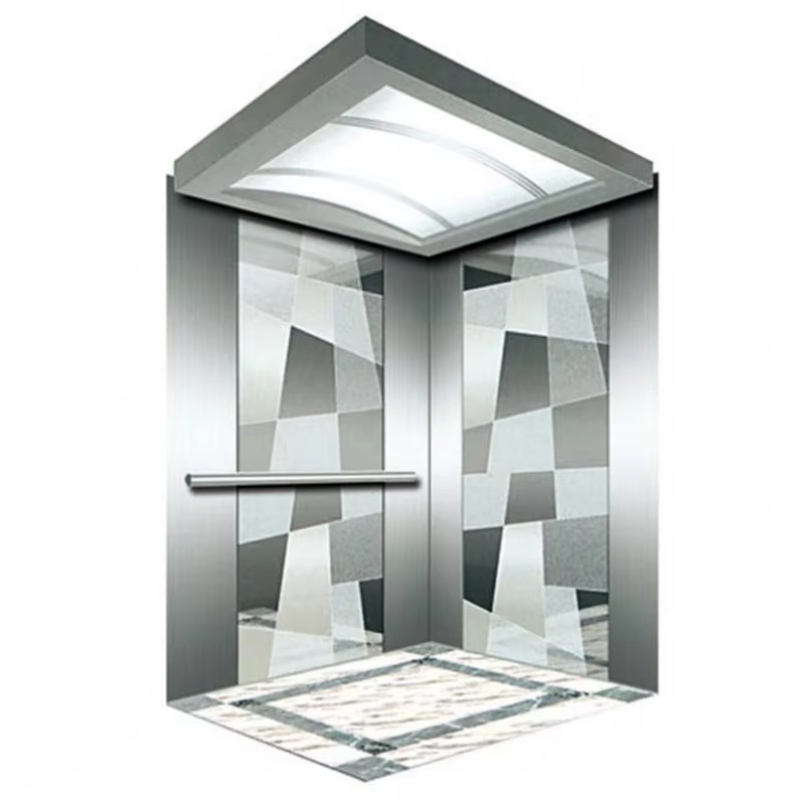
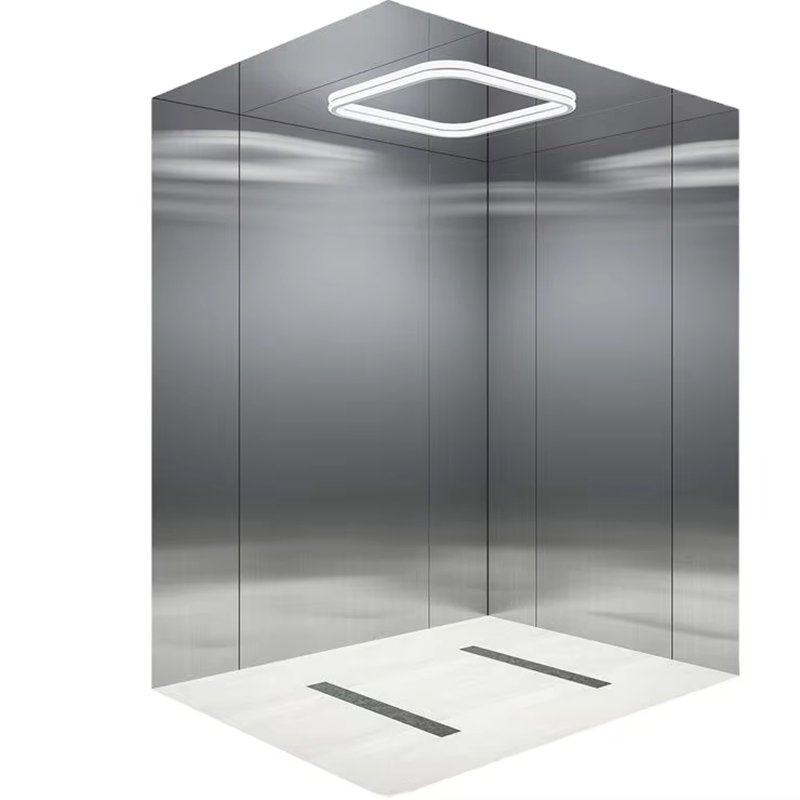
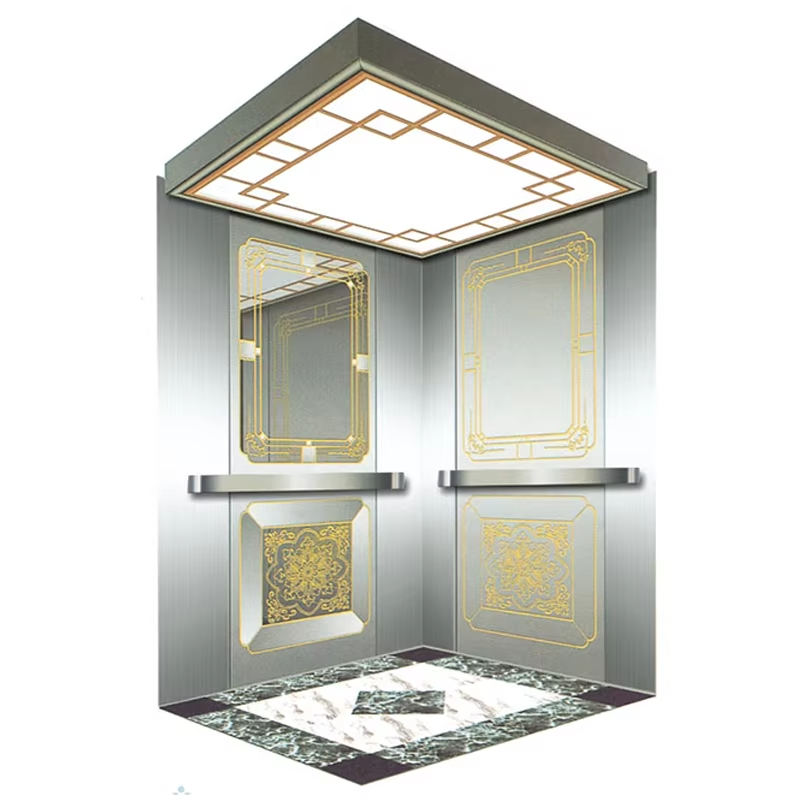
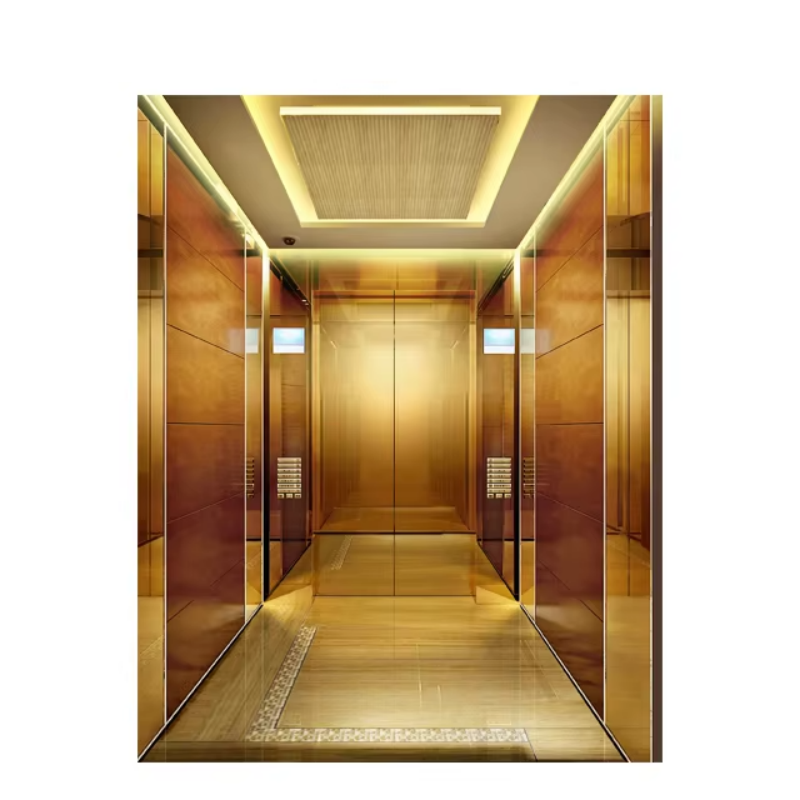
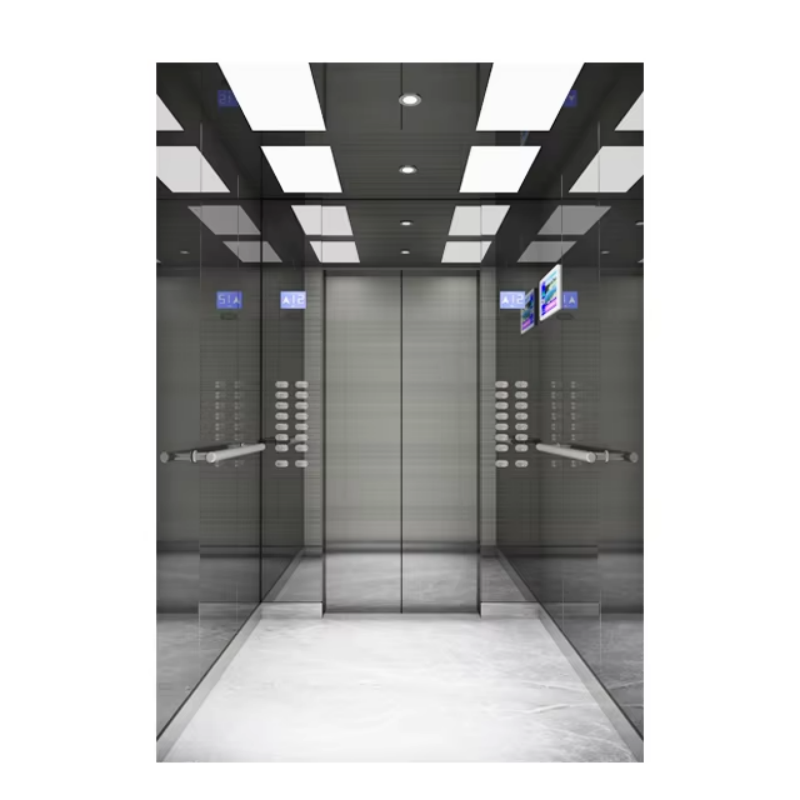
The interior of a passenger elevator contributes directly to the impression visitors and tenants have of a building. Finishes range from standard stainless steel panels and basic flooring to custom wood veneers, glass walls, branded panels, and high-end stone flooring. For luxury residential or commercial properties, a well-designed cab interior can be a significant differentiator.
Accessibility Compliance
In most countries, passenger elevators in public or commercial buildings must comply with accessibility standards such as the Americans with Disabilities Act (ADA) in the US or EN 81-70 in Europe. This includes minimum cab dimensions, door width, floor-leveling accuracy, tactile buttons, audible announcements, and Braille signage. Always confirm compliance requirements for your jurisdiction before finalizing a design.
Maintenance and Service Contracts
An elevator is only as reliable as the maintenance program behind it. When evaluating manufacturers or suppliers, look into the availability of local service technicians, the cost and terms of maintenance contracts, parts availability, and average response time for emergency call-outs. Downtime in a high-traffic building is costly and frustrating for occupants.
Smart Technology in Modern Passenger Elevators
The elevator industry has embraced digital technology rapidly over the last decade. Today's passenger elevators are far more intelligent than their predecessors, offering features that improve efficiency, user experience, and building management.
- Destination Control Systems (DCS): Instead of pressing a floor button inside the cab, passengers select their destination floor in the lobby. The system groups passengers heading to nearby floors into the same car, dramatically reducing stops and travel time.
- IoT Monitoring and Predictive Maintenance: Sensors embedded throughout the elevator continuously transmit data on component performance. AI-driven systems can predict when a part is likely to fail and schedule maintenance before a breakdown occurs.
- Touchless and Smartphone Controls: Post-pandemic building designs increasingly feature touchless elevator controls operated via mobile apps or proximity sensors, reducing contact with shared surfaces.
- Integration with Building Management Systems (BMS): Elevators can now communicate with a building's HVAC, security, and access control systems. For example, the elevator can automatically restrict access to certain floors based on an employee's credentials.
Common Passenger Elevator Problems and How to Address Them
Even well-maintained passenger elevators experience issues over time. Knowing what common problems look like helps building managers respond quickly and appropriately.
Doors Not Closing or Opening Properly
This is the most frequent complaint in passenger elevators. It's usually caused by worn door rollers, misaligned door tracks, dirty sensor lenses, or a faulty door operator. Regular cleaning of sensor lenses and lubrication of door tracks can prevent many of these issues. Persistent door problems should be assessed by a certified technician.
Rough or Jerky Rides
A smooth ride is a hallmark of a well-tuned elevator. Rough movement typically points to worn guide rail rollers or shoes, issues with the drive system, or imbalanced counterweights. In older traction elevators, worn ropes can also introduce vibration. These are not cosmetic issues — they can indicate underlying mechanical wear that should be inspected promptly.
Inaccurate Floor Leveling
When an elevator stops with a gap between the cab floor and the landing — even a small one — it creates a tripping hazard, especially for wheelchair users and the elderly. This is often caused by worn leveling vanes or sensors and is relatively straightforward to fix during a routine service visit.
Slow Response Times
If passengers are waiting too long for an elevator, it could be a dispatching algorithm issue, a unit that's out of service, or simply insufficient elevator capacity for the building's traffic. Traffic analysis can determine whether the issue is mechanical, software-related, or a sign that the building needs additional lift capacity.
Passenger Elevator Modernization: When to Upgrade Instead of Replace
Older passenger elevators don't always need to be replaced outright — modernization is often a cost-effective alternative. A full replacement involves removing the existing unit entirely and installing a new system, which is disruptive and expensive. Modernization updates specific components while retaining the existing shaft and structure.
Common modernization upgrades include replacing relay-based control systems with modern microprocessor controls, installing new motors and drives for better energy efficiency, upgrading cab interiors and lighting, and adding destination control systems. A well-executed modernization can extend elevator life by 15–25 years and significantly improve performance, energy use, and rider satisfaction at a fraction of replacement cost.
The decision to modernize versus replace generally comes down to the age of the equipment, the condition of the shaft and structure, compliance requirements, and long-term building plans. A qualified elevator consultant can assess your specific situation and provide a clear recommendation.