

 English
 Español
Home / News / Industry News / Elevator Door Panel Basics: What They're Made Of and How to Keep Them Working Right
Industry News

Tel/wechat/whatsapp: +86-13812695057
E-mail: [email protected]
Content
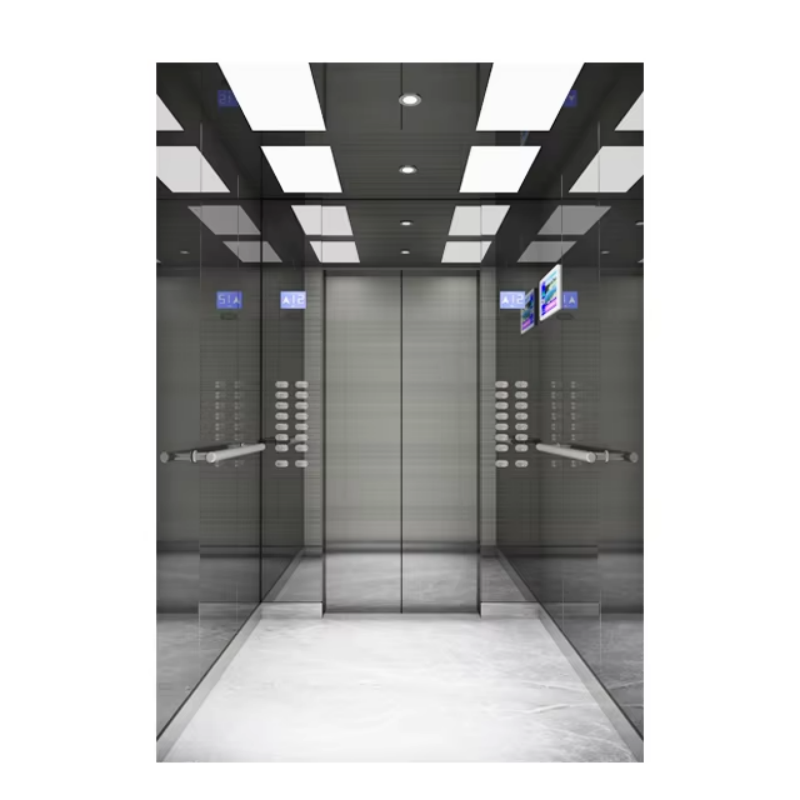
An elevator door panel is the physical, sliding surface that opens and closes to allow passengers to enter and exit an elevator cab safely. While it might seem like a simple piece of metal or composite material, the door panel plays a critical role in passenger safety, ride quality, and the overall appearance of a building's vertical transportation system. Every elevator installation typically includes two sets of doors working together, the cab doors mounted on the elevator car itself and the hoistway doors mounted at each landing, and both rely on properly functioning panels to operate safely.
Because these panels open and close thousands of times over the life of an elevator, they need to withstand constant mechanical cycling while maintaining smooth operation, structural integrity, and a presentable appearance. A door panel that's damaged, misaligned, or poorly maintained can lead to anything from an unpleasant passenger experience to a genuine safety hazard, which is why building owners and facility managers pay close attention to panel condition during routine elevator inspections.
Door panels are manufactured from a range of materials, each offering a different balance of durability, appearance, and cost. Choosing the right material depends on the building type, expected traffic volume, and design goals of the space.
Selecting a finish for an elevator door panel involves balancing appearance, maintenance demands, and budget. The table below compares common finish options across these factors.
| Finish Type | Durability | Maintenance Level | Typical Setting |
| Brushed Stainless Steel | Very High | Low | High-traffic commercial buildings |
| Mirror-Polished Stainless Steel | High | Moderate, shows fingerprints easily | Upscale hotels and residential buildings |
| Painted Steel | Moderate | Higher, prone to chipping | Budget-conscious commercial or industrial buildings |
| Decorative Laminate | Moderate to High | Moderate | Retail spaces and design-focused lobbies |
Elevator door panels must be sized precisely to fit the existing header, sill, and track system, since even small dimensional mismatches can cause binding, misalignment, or unsafe operation. When replacing a single damaged panel rather than the entire door assembly, confirming exact measurements and mounting hole patterns with the original manufacturer or a qualified elevator contractor prevents costly installation issues.
Hoistway door panels in particular often need to meet specific fire rating requirements, since they form part of the barrier between the elevator shaft and each floor of the building. Confirming that any replacement panel meets local building codes and fire safety standards is essential, and this is not an area where cutting corners is acceptable given the safety implications involved.
Heavier door panel materials, such as thicker stainless steel or glass, place additional demand on the door operator motor. Confirming that the existing door operator can handle the weight of a new panel material avoids premature motor wear or sluggish door operation after a panel upgrade.
Recognizing early warning signs of door panel trouble helps building staff address issues before they escalate into safety concerns or extended elevator downtime.
Routine cleaning goes a long way toward preserving both the appearance and function of an elevator door panel. Using cleaning products specifically designed for the panel's finish, rather than generic household cleaners, helps avoid dulling or damaging stainless steel and laminate surfaces over time. Abrasive pads or harsh chemicals should generally be avoided, since they can create fine scratches that dull a brushed or polished finish.
Beyond surface cleaning, having a qualified elevator technician inspect door tracks, rollers, and hangers on a regular schedule helps catch mechanical wear before it leads to a panel misalignment or operational failure. Many facility maintenance programs include quarterly or semi-annual door system checks as part of a broader elevator maintenance contract, which typically covers lubrication, fastener tightening, and sensor alignment checks in addition to the door panel itself.
Addressing minor cosmetic damage promptly also prevents small dents or scratches from worsening into larger structural or functional problems. In high-traffic buildings, some facility managers schedule periodic panel refinishing or replacement as part of a planned capital improvement cycle, keeping the elevator system looking updated while extending the practical lifespan of the surrounding door components.
An elevator door panel might seem like a straightforward component, but its material, fit, and ongoing condition all play a meaningful role in passenger safety, ride experience, and overall building appearance. Selecting the right material and finish for your building's traffic level and design goals, confirming code compliance during any replacement, and following through with consistent maintenance all contribute to a door system that performs reliably for years. Taking these details seriously helps avoid unexpected downtime and keeps one of the most frequently used parts of a building's infrastructure running the way it should.

Tel/wechat/whatsapp: +86-13812695057
E-mail: [email protected]
Add: Building 7, No. 268, Chang 'an Road, Bache Sub-district, Dong Taihu Ecological Tourist Resort (Taihu New Town), Wujiang District, Suzhou City, Jiangsu Province, China