

 English
 Español
Home / News / Industry News / Home Lift Door 101: Manual vs. Automatic, and How to Choose the Right One
Industry News

Tel/wechat/whatsapp: +86-13812695057
E-mail: [email protected]
Content
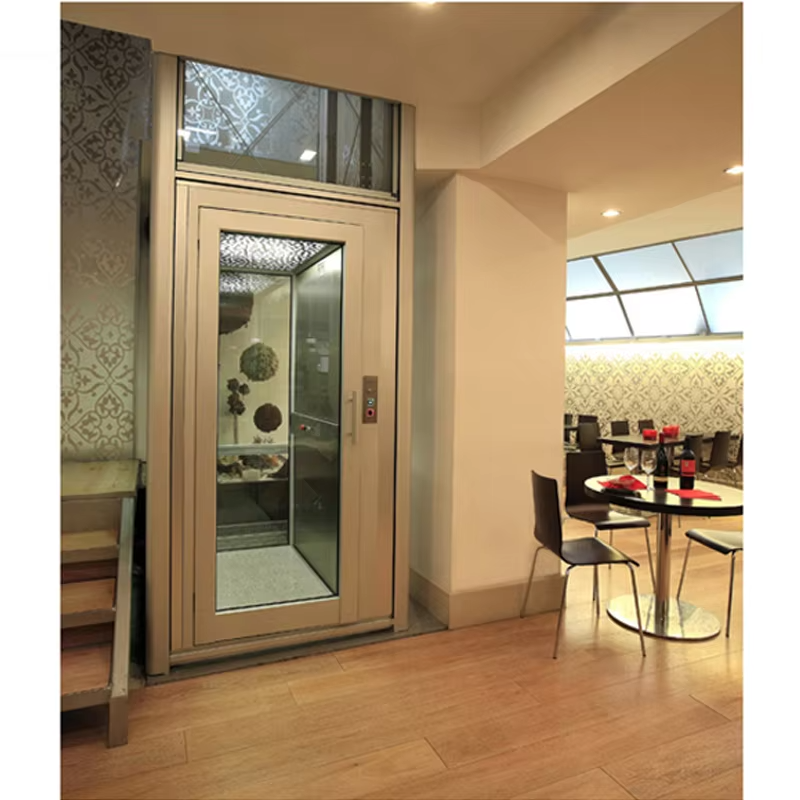
A home lift door refers to both the landing door at each floor and the cab door inside the elevator car of a residential lift system. Unlike commercial elevators, which are built to move dozens of people efficiently across many floors, a home lift door has to balance safety, aesthetics, and space efficiency within the much smaller footprint of a house. That means the door choices available for a home lift often look and function differently from what you'd see in an office building or shopping mall, even though the underlying safety principles are the same.
Every home lift has two separate door systems working together: the landing door at each floor opening, and the cab door on the elevator car itself. Both need to open and close in sync, and both play a critical role in preventing accidental access to the shaft when the lift isn't present at that floor.
One of the first decisions homeowners face is whether to go with a manual or automatic door system, and each comes with real trade-offs worth understanding.
Manual doors operate much like a regular room door — you push, pull, or slide them open by hand. They're simpler mechanically, which means lower maintenance costs and fewer components that can fail over time. Manual doors also tend to blend more naturally into a home's existing architecture, since they don't require large tracks or bulky automated hardware. The trade-off is convenience: someone needs to physically open and close the door every time, which can be a real drawback for elderly residents, young children, or anyone with mobility challenges.
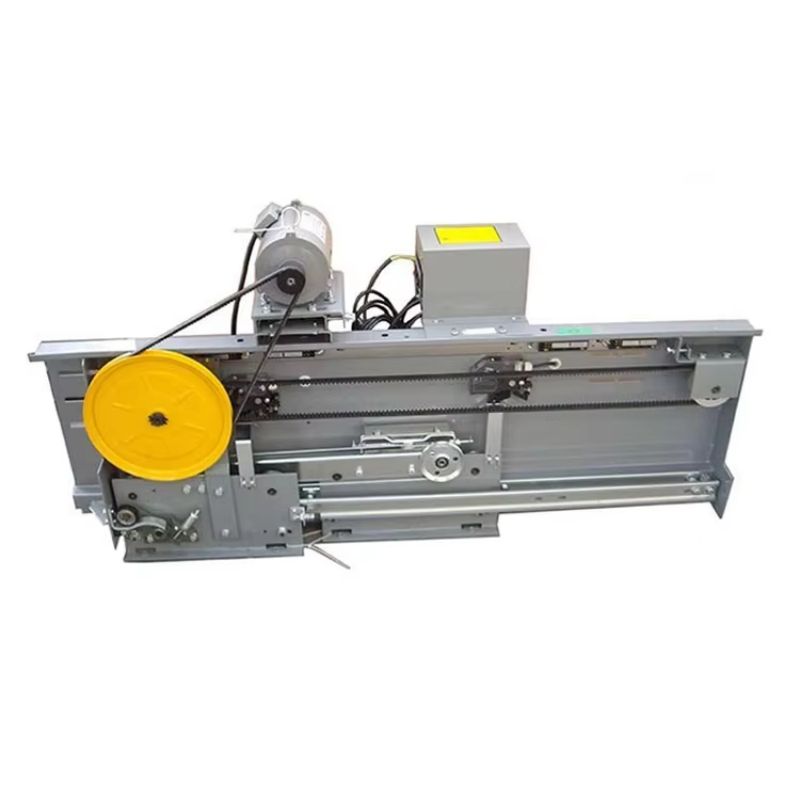
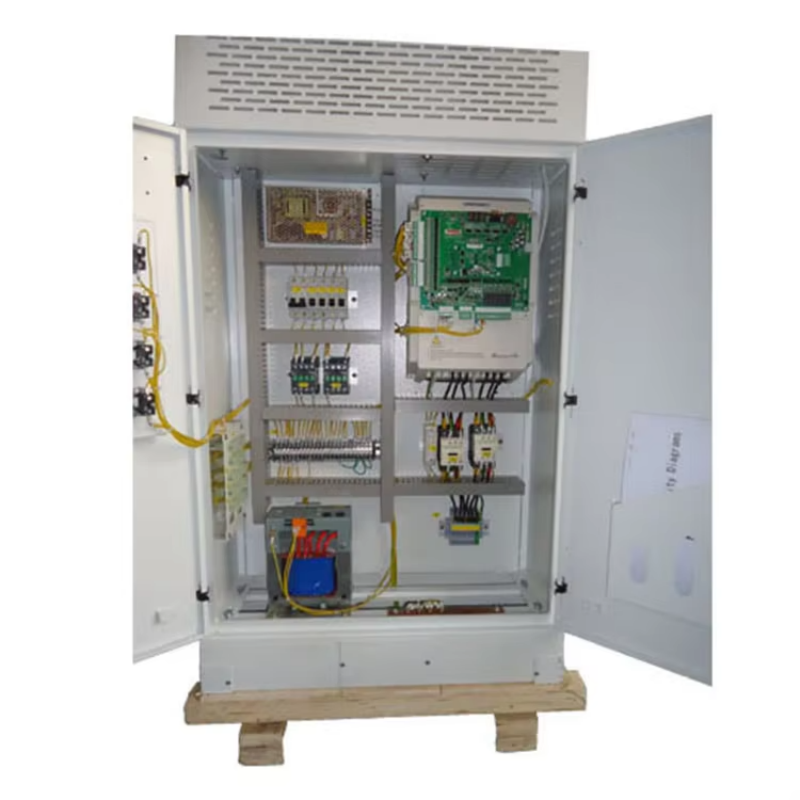
Automatic doors open and close on their own, powered by a door operator and controlled by sensors that detect when the lift arrives and whether the doorway is clear. This makes them significantly easier to use for anyone with limited mobility, and they typically include pressure sensors or light curtains that prevent the door from closing on a person, pet, or object. The trade-off is a higher upfront cost and more components to maintain, though most homeowners find the added convenience and accessibility well worth it.
Home lift doors come in several distinct styles, each suited to different layouts, budgets, and design goals.
| Door Style | Best Suited For |
| Swing Doors | Traditional homes, tighter budgets, spaces where a classic look is preferred |
| Automatic Sliding Doors | Modern homes wanting hands-free, commercial-style operation |
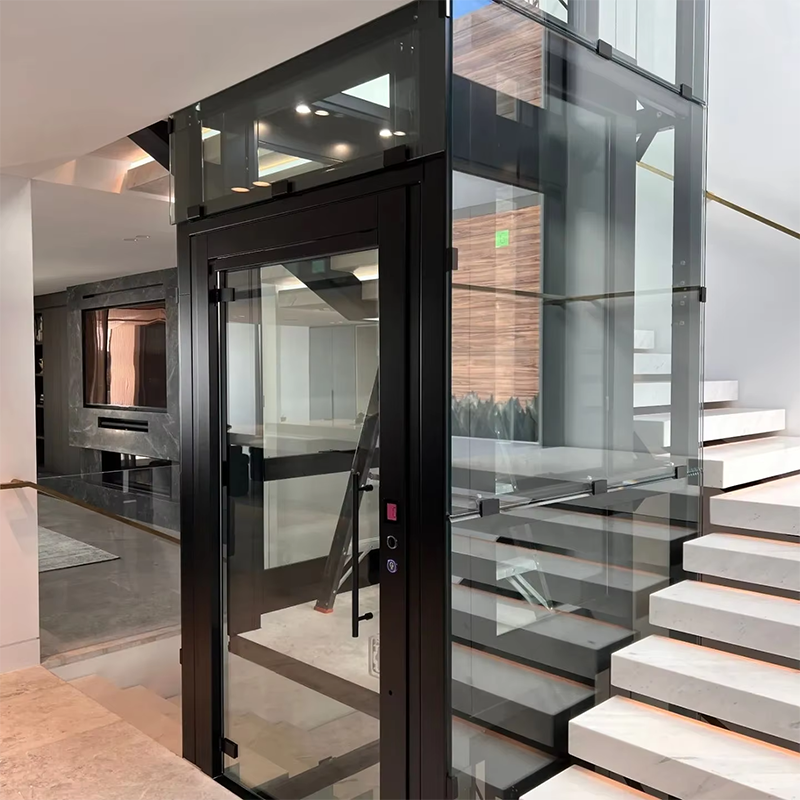
| Glass Doors | Homeowners prioritizing visibility and a premium, showpiece aesthetic |
| Scissor or Accordion Gates | Compact installations, budget-conscious renovations |
Swing doors remain a cost-effective, traditional option, while automatic sliding systems have become popular for homeowners who want their home lift to feel like a genuine architectural feature rather than a purely functional add-on. Glass door options add visibility and a modern look, though they typically come at a higher price point.
Regardless of which door style or operation type you choose, certain safety features aren't optional — they're what keeps a home lift door safe for everyday household use, especially in homes with children, pets, or elderly residents.
These features work together so that, regardless of door style, the lift simply cannot operate unless both the landing door and cab door are properly closed and secured.
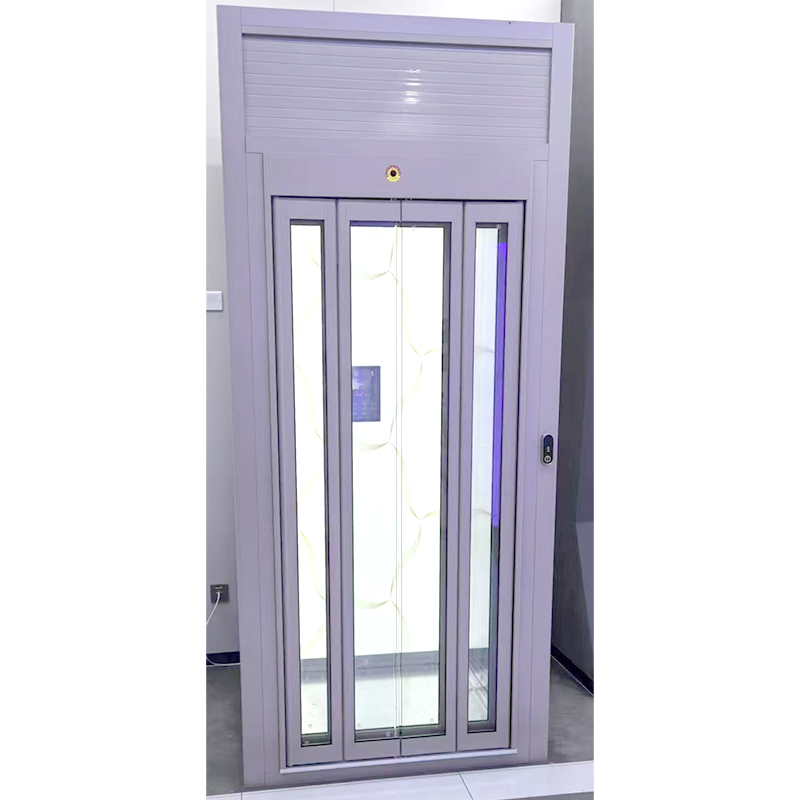
The material and finish of a home lift door affects both durability and how well it fits your home's interior design. The most common options include:
Many suppliers offer custom finishes specifically so the home lift door doesn't stand out as an obviously mechanical feature, but instead reads as a natural part of the home's overall design.
Before finalizing a door choice for a new installation or renovation, it helps to walk through a few practical questions with your supplier or installer:
Working through these questions with a reputable installer helps ensure the home lift door you choose fits your household's needs, your home's layout, and your long-term maintenance expectations, rather than settling for a generic option that only checks the basic functional boxes.
Tel/wechat/whatsapp: +86-13812695057
E-mail: [email protected]
Add: Building 7, No. 268, Chang 'an Road, Bache Sub-district, Dong Taihu Ecological Tourist Resort (Taihu New Town), Wujiang District, Suzhou City, Jiangsu Province, China