

 English
 Español
Home / News / Industry News / Elevator Landing Door Guide: Types, Safety Features & Maintenance Tips
Industry News

Tel/wechat/whatsapp: +86-13812695057
E-mail: [email protected]
Content
An elevator landing door, sometimes called a hall door or hoistway door, is the door you see and interact with on each floor of a building — not the door inside the elevator cabin itself. While the cabin door moves with the elevator, the landing door stays fixed at each floor and only opens when the elevator car is properly aligned with that level. This distinction matters because the landing door is actually the primary safety barrier between people and the elevator shaft. Without a properly functioning landing door, anyone standing on a floor could be exposed to a deep, unguarded vertical shaft, which is why building codes treat these doors as critical life-safety equipment rather than simple architectural features.
Every time you press the call button and wait for the elevator, the landing door is doing quiet but essential work. It locks automatically when no car is present, unlocks only through a mechanical interlock when the car arrives, and closes again before the elevator moves away. Property managers, facility engineers, and even everyday tenants benefit from understanding how these doors function, because it helps explain why certain maintenance checks are non-negotiable and why a jammed or noisy landing door should never be ignored.
The core mechanism behind a landing door is called the door interlock. This device physically locks the landing door shut whenever the elevator car is not present at that floor, and it will not release the lock unless the car is within a small tolerance zone, typically a few centimeters of level alignment. This is why an elevator will refuse to open its doors if it stops slightly above or below floor level — the interlock simply won't disengage.
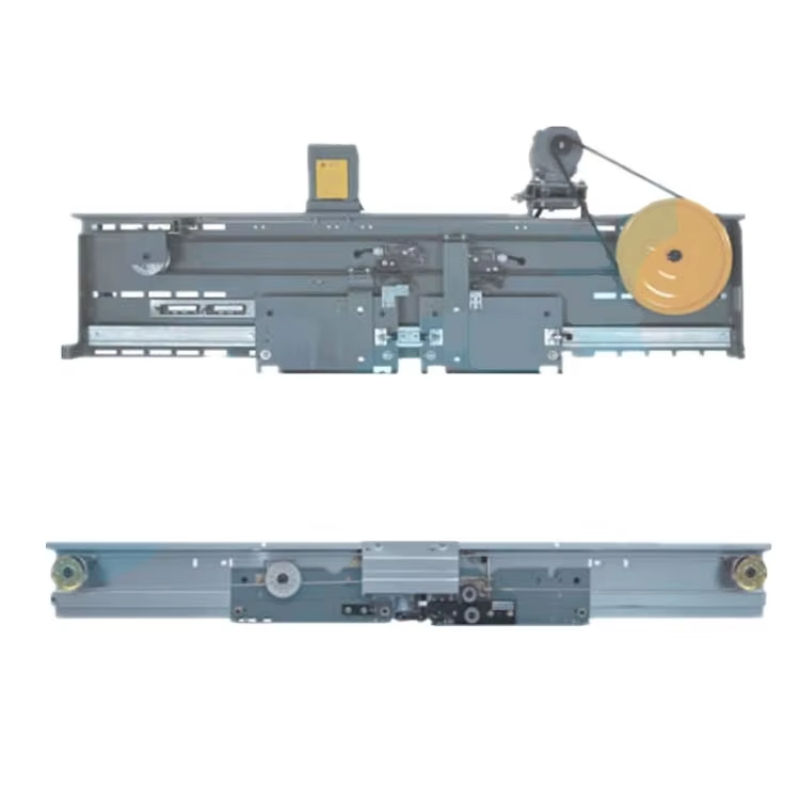
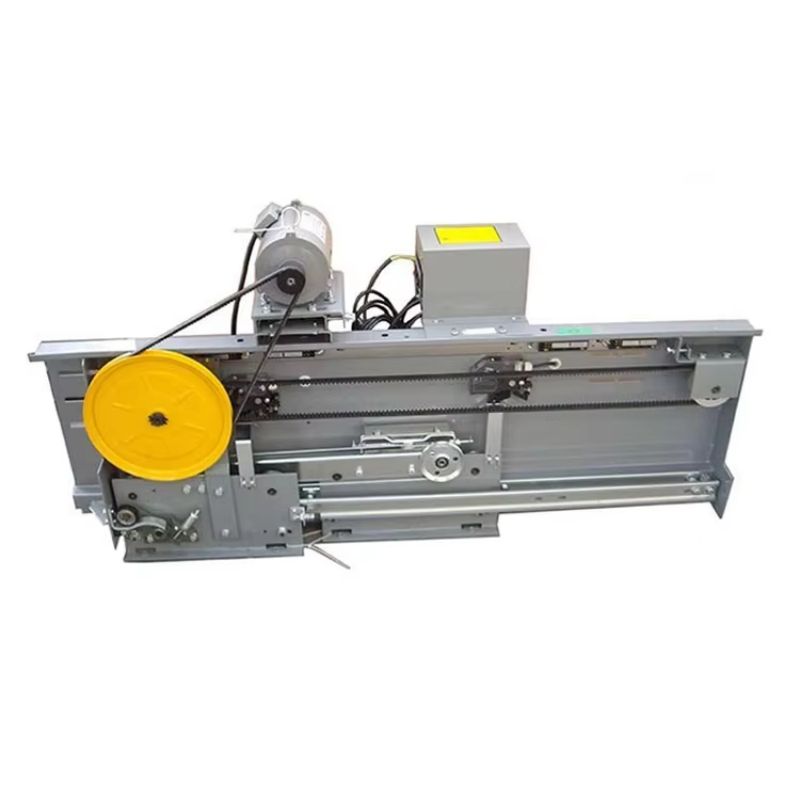
Once the car arrives and levels correctly, a vane or roller mounted on the elevator car engages a mechanical coupler on the landing door. This coupler transfers motion from the car door operator to the landing door panels, so both doors open and close together even though only the car door has its own motor. This coupling system is why you'll notice the landing door and cabin door always move in sync — they are mechanically linked only during that brief window when the car is present.
Landing doors come in several configurations, and the right choice depends on the building's traffic volume, shaft width, and aesthetic requirements. Below is a quick comparison to help you recognize what you're looking at and understand the trade-offs of each design.
| Door Type | How It Opens | Best Suited For |
| Center-Opening (Bi-Parting) | Two panels slide outward from the middle | High-traffic office and commercial buildings |
| Side-Opening (Single or Two-Speed) | Panels slide to one side, sometimes at staggered speeds | Residential buildings and narrow shafts |
| Vertical Bi-Parting | Panels move up and down instead of sideways | Freight elevators and industrial settings |
| Swing Door | Hinged panel swings open like a regular door | Older buildings and low-rise installations |
Center-opening doors tend to be the most popular choice in modern mid-to-high-rise buildings because they offer the widest clear opening relative to their footprint and move faster, which reduces waiting time during peak hours. Side-opening doors are more common in residential buildings where budget and shaft space are tighter. Vertical bi-parting doors are almost exclusively found on freight or service elevators because they can accommodate taller loads without requiring extra sideways clearance.
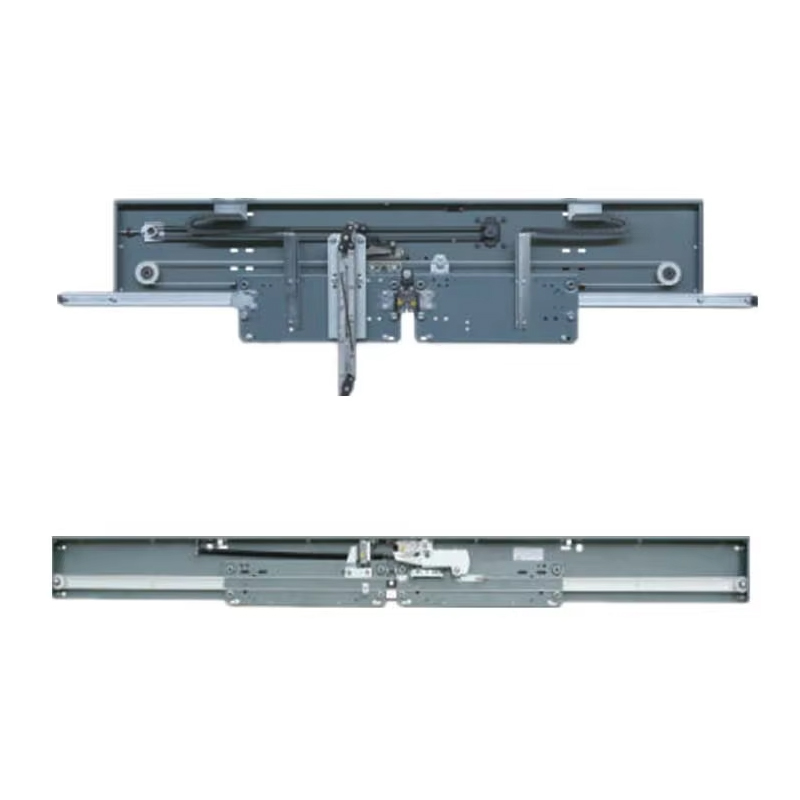
Because the landing door protects people from a shaft that can extend dozens of meters down, modern codes require multiple layers of redundancy. A single lock is never considered sufficient on its own — the entire system is designed so that failure of one component still leaves a backup in place.
Landing doors are almost always required to carry a fire rating, commonly one to two hours depending on local code, since the elevator shaft can act as a chimney that spreads smoke and flame between floors if not properly sealed. This means the door assembly, including its frame and seals, must be tested and certified as a complete fire-rated unit rather than just using fire-resistant materials individually.
Beyond the mechanical interlock, most systems also include an electrical contact switch that confirms the door is fully closed and locked before allowing the elevator to move. If either the mechanical lock fails to engage or the electrical contact doesn't register closure, the elevator control system will hold the car in place rather than risk moving with an unsecured door.
Many jurisdictions now require restrictor devices that prevent a landing door from being opened more than a small amount (often around 100mm) unless the car is actually present at that floor. This addresses situations where someone might try to pry a door open manually, adding another layer of protection against accidental shaft exposure.
Landing doors endure heavy daily use, and small issues can escalate quickly if ignored. Recognizing early warning signs helps building staff schedule repairs before a minor fault becomes a service outage or, worse, a safety hazard.
Any of these symptoms warrant a call to a licensed elevator technician rather than a general handyman, since landing doors are governed by strict safety codes and improper adjustment can create liability issues for the building owner.
Routine maintenance is far cheaper than emergency repair, and most landing door failures trace back to skipped inspections rather than sudden part failure. A consistent maintenance schedule keeps the door operating smoothly and keeps the building compliant with local elevator safety codes.
Technicians typically inspect the sill track for debris buildup, test the door contact switches for proper signaling, and check that the interlock engages and releases smoothly at each floor. Cleaning the track alone prevents a large share of jamming complaints, since dust, dropped coins, and small debris are common culprits.
Deeper inspections cover hanger roller wear, cable and chain tension for the coupling mechanism, fire seal integrity, and overall panel alignment. Many jurisdictions also mandate a formal annual safety test where a licensed inspector verifies that the interlock will not release unless the car is present, confirming the door's core safety function is intact.
When specifying landing doors for a new installation or a modernization project, building owners should weigh several factors beyond price. Shaft width will often dictate whether center-opening or side-opening doors are even feasible, while expected passenger volume determines whether faster center-opening doors are worth the added cost. Fire rating requirements are non-negotiable and vary by occupancy type and jurisdiction, so it's worth confirming local code requirements early rather than after doors are ordered.
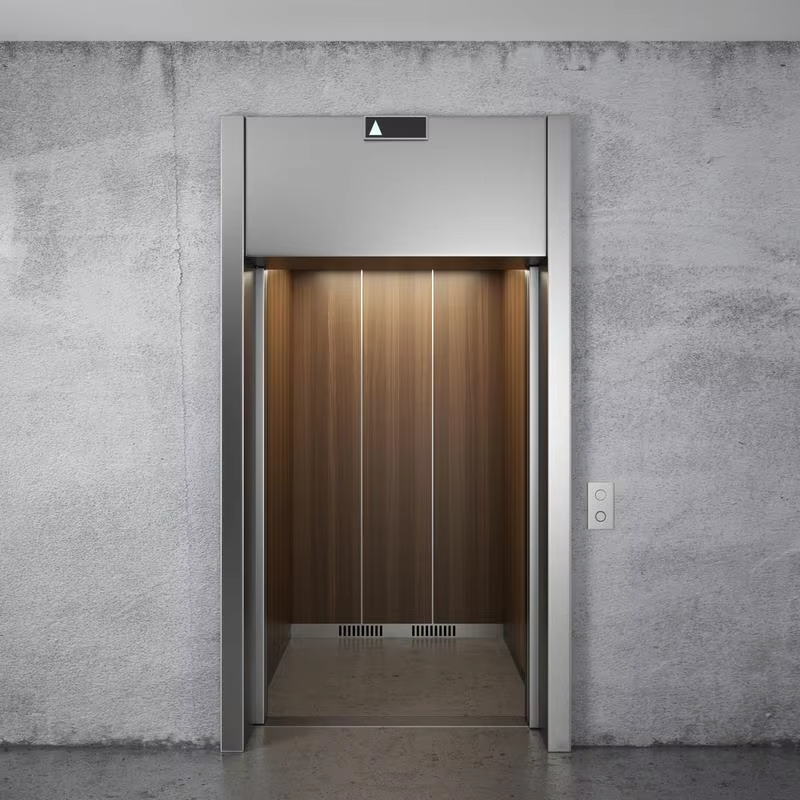
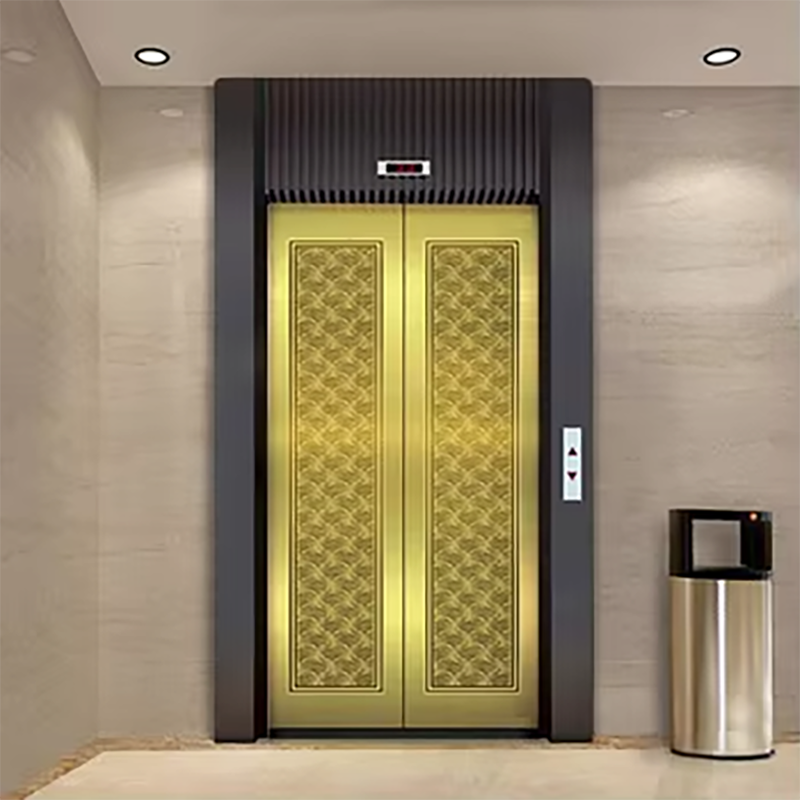
Aesthetic finish also matters more than people expect, since landing doors are one of the most visible elevator components in a lobby or corridor. Stainless steel, painted steel, and laminate-clad finishes are all common, with stainless steel typically chosen for high-traffic commercial lobbies due to its durability and low maintenance needs. Finally, always confirm that the manufacturer's door and interlock system is certified to the relevant elevator safety code in your region, since mixing incompatible components from different suppliers can create both safety and warranty complications.
Tel/wechat/whatsapp: +86-13812695057
E-mail: [email protected]
Add: Building 7, No. 268, Chang 'an Road, Bache Sub-district, Dong Taihu Ecological Tourist Resort (Taihu New Town), Wujiang District, Suzhou City, Jiangsu Province, China