

 English
 Español
Home / News / Industry News / How Does an Elevator Door Operator Work, and When Should You Fix or Replace It?
Industry News

Tel/wechat/whatsapp: +86-13812695057
E-mail: [email protected]
Content
An elevator door operator is one of those components that nobody notices until it stops working. Riders expect doors to glide open the instant the car arrives and close smoothly a few seconds later without pinching a sleeve or a stroller wheel. Behind that simple experience sits a precision-engineered system of motors, belts, rollers, and sensors that has to perform thousands of cycles a day without fail. This article breaks down what an elevator door operator actually does, the different types available, how to spot trouble before it becomes a breakdown, and what to consider when it's time to repair or replace one.
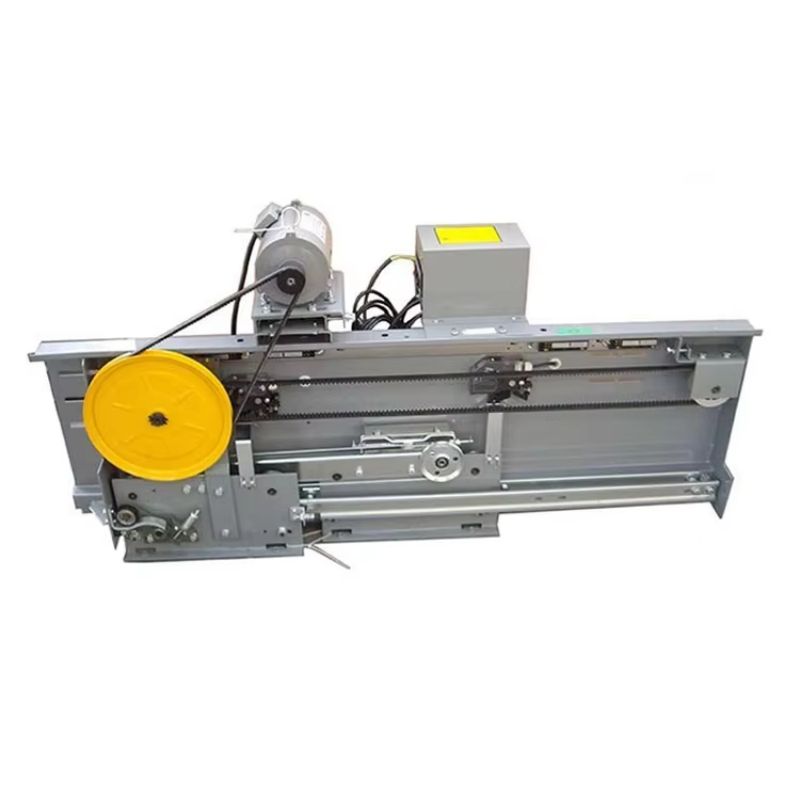
The elevator door operator is the mechanical and electronic assembly responsible for opening and closing both the car door (the door attached to the elevator cab) and the hoistway door (the door at each landing) in a coordinated motion. When the elevator arrives at a floor, the door operator receives a signal from the controller, engages a motor-driven mechanism, and moves the car door, which in turn pulls the landing door open through a coupling device called a vane and roller, or clutch system. The same process happens in reverse when the doors close.
Beyond simple opening and closing, the door operator also manages dwell time (how long the doors stay open), reopening in response to an obstruction, and adjusting speed based on load or usage pattern. Modern door operators are integrated with safety edges, infrared light curtains, and motion sensors, all of which feed information back to the operator so it can react instantly if something or someone is in the doorway.
Door operators have evolved significantly over the decades, moving from purely mechanical linkages to fully digital, closed-loop systems. Understanding the differences helps building owners and technicians know what they are working with and what upgrade paths exist.
These are older-generation operators that rely on an AC motor combined with a mechanical cam or linkage system to control the door's speed profile. They are reliable and relatively simple, but they offer limited flexibility in adjusting opening and closing speeds, and they tend to be noisier than newer alternatives.
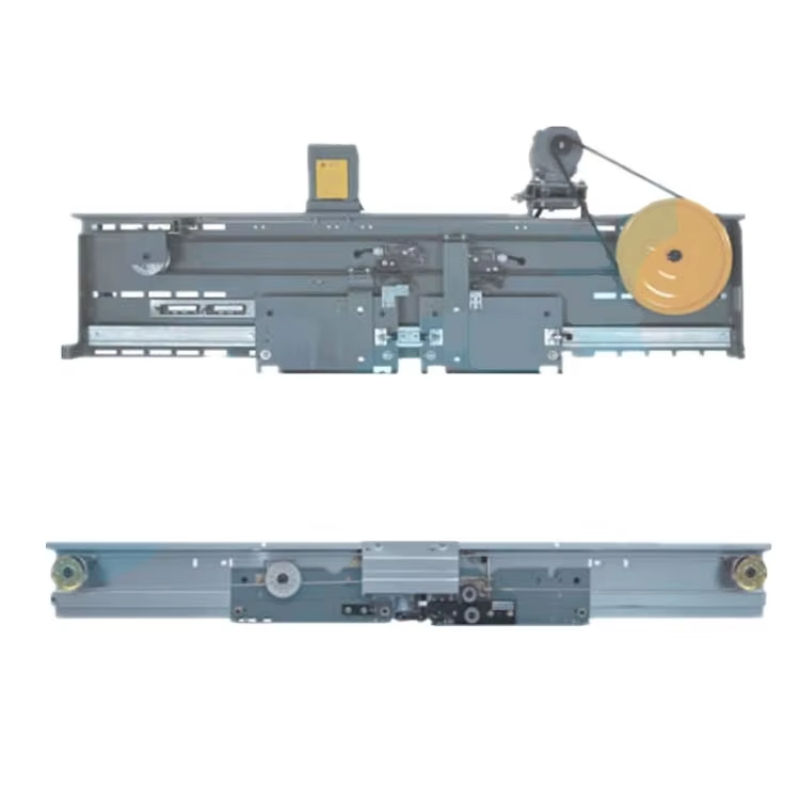
VVVF door operators use a variable frequency drive to control motor speed electronically rather than mechanically. This allows for smoother acceleration and deceleration, quieter operation, and programmable speed curves that can be tuned for different door weights and opening widths. Most elevators installed in the last fifteen years use this type of operator.
Linear motor operators eliminate belts and pulleys entirely, using a linear induction motor to drive the door panels directly. This design reduces mechanical wear, lowers maintenance needs, and provides extremely precise control over door movement, making it a popular choice in high-traffic buildings such as hospitals and office towers.
A door operator is not a single part but an assembly of components working together. Knowing each piece makes it much easier to diagnose problems when something feels off.
| Component | Function |
| Drive Motor | Generates the force needed to move the door panels |
| Belt or Linear Track | Transfers motor force to the door panels |
| Door Rollers and Track | Guides the door panels along a smooth horizontal path |
| Vane and Roller (Clutch) | Connects car door movement to the landing door |
| Safety Edge or Light Curtain | Detects obstructions and signals the operator to reopen |
| Controller Board | Processes sensor input and commands the motor |
Door operator issues rarely appear out of nowhere. There are almost always early warning signs that, if caught in time, can prevent a full system failure or an unscheduled elevator shutdown.
If any of these symptoms appear, it's worth scheduling an inspection promptly. Door-related issues are among the most common causes of elevator entrapments and unplanned downtime, so early attention pays off both in safety and in avoided repair costs.
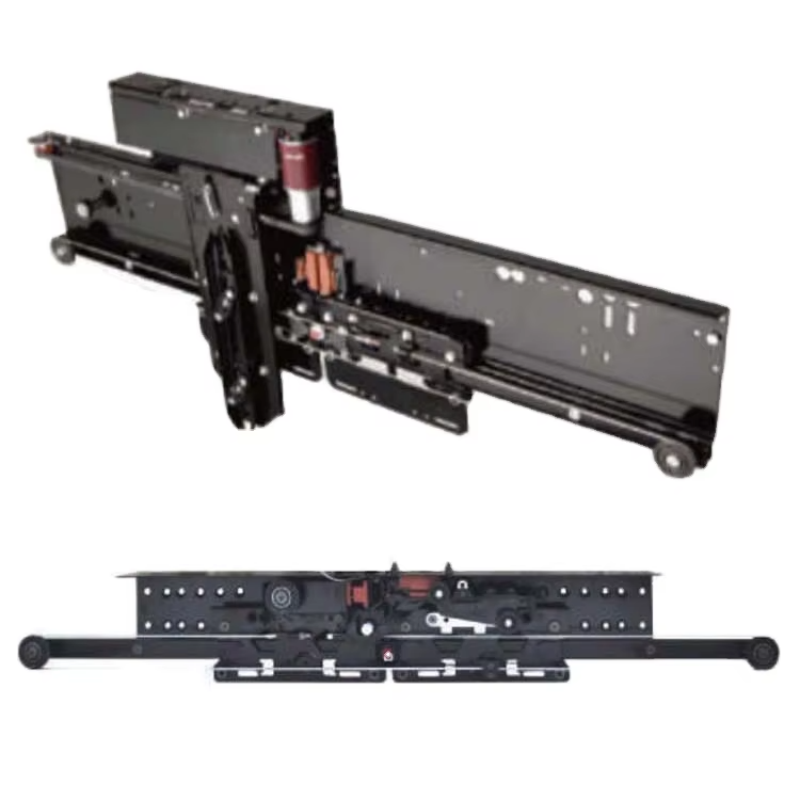
Like any mechanical system under constant use, a door operator benefits enormously from a consistent maintenance routine. Most manufacturers recommend a combination of visual inspection, lubrication, and calibration checks performed on a monthly or quarterly basis depending on usage volume.
Buildings with high passenger traffic, such as residential towers or transit hubs, should lean toward the more frequent end of the maintenance schedule since door cycles accumulate faster and put more stress on moving parts.
When a door operator starts showing consistent problems, building owners face a choice between repairing the existing unit or replacing it entirely with a modern system. Several factors should guide that decision.
Age is often the biggest factor. Operators older than fifteen to twenty years frequently use components that are difficult to source, and replacement parts may be discontinued by the manufacturer. In these cases, a full operator upgrade, sometimes paired with a broader door system modernization, tends to be more cost-effective over time than continually patching an aging unit.
Frequency of breakdowns is another key indicator. If a building is calling for door-related service more than a few times a year, the cumulative cost of repairs, combined with the inconvenience of downtime, usually outweighs the upfront cost of a new operator. Additionally, newer VVVF and linear motor operators consume less energy and operate more quietly, which can improve tenant satisfaction and reduce long-term operating costs even beyond the maintenance savings.
Not every building has the same door operator needs. Selecting the right type involves balancing traffic volume, door size and weight, noise tolerance, and budget.
| Building Type | Recommended Operator Type | Reason |
| Low-rise residential | VVVF Operator | Good balance of cost and smooth performance |
| High-rise office tower | Linear Motor Operator | Handles high cycle counts with minimal wear |
| Hospital or healthcare facility | Linear Motor Operator | Quiet, precise, and dependable for sensitive environments |
| Older buildings on a budget | Refurbished AC or VVVF unit | Lower upfront cost while improving reliability |
Working with an elevator contractor who understands the specific traffic patterns and door dimensions of a building will help ensure the chosen operator is neither under-powered for the job nor unnecessarily expensive for the actual demand.
The elevator door operator may be a small part of the overall elevator system, but it has an outsized impact on rider experience and safety. A well-maintained operator opens and closes quietly, reliably, and safely thousands of times a day, while a neglected one becomes a frequent source of complaints, entrapments, and costly emergency repairs. Regular inspection, timely part replacement, and choosing the right operator type for a building's specific traffic demands are the three pillars that keep this often-overlooked component running the way it should.
Tel/wechat/whatsapp: +86-13812695057
E-mail: [email protected]
Add: Building 7, No. 268, Chang 'an Road, Bache Sub-district, Dong Taihu Ecological Tourist Resort (Taihu New Town), Wujiang District, Suzhou City, Jiangsu Province, China