

 English
 Español
Home / News / Industry News / The Complete Guide to Food Dumbwaiter Lifts: Types, Costs, and Installation Tips
Industry News

Tel/wechat/whatsapp: +86-13812695057
E-mail: [email protected]
Content
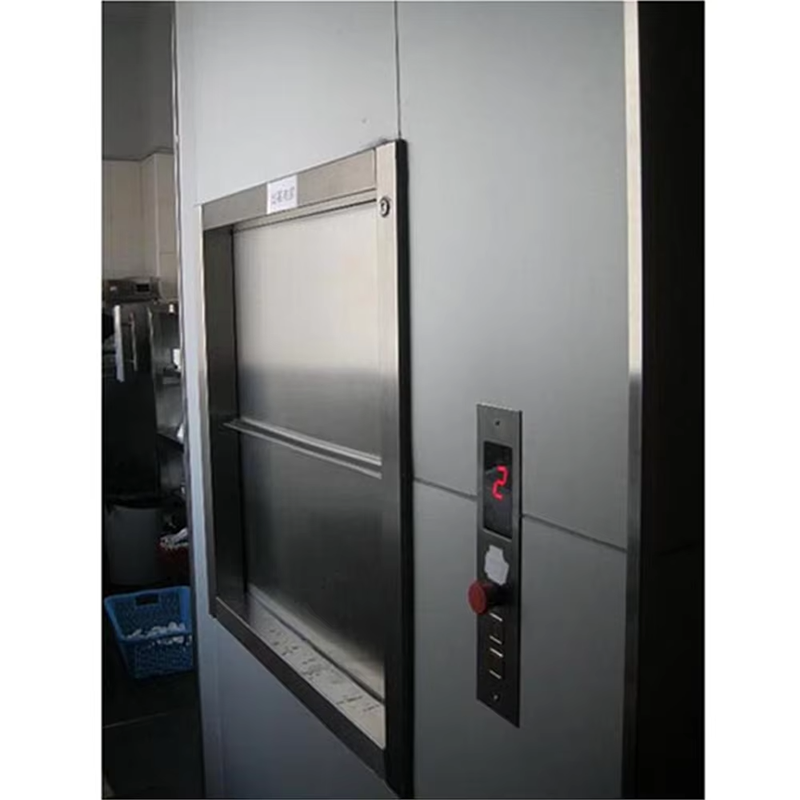
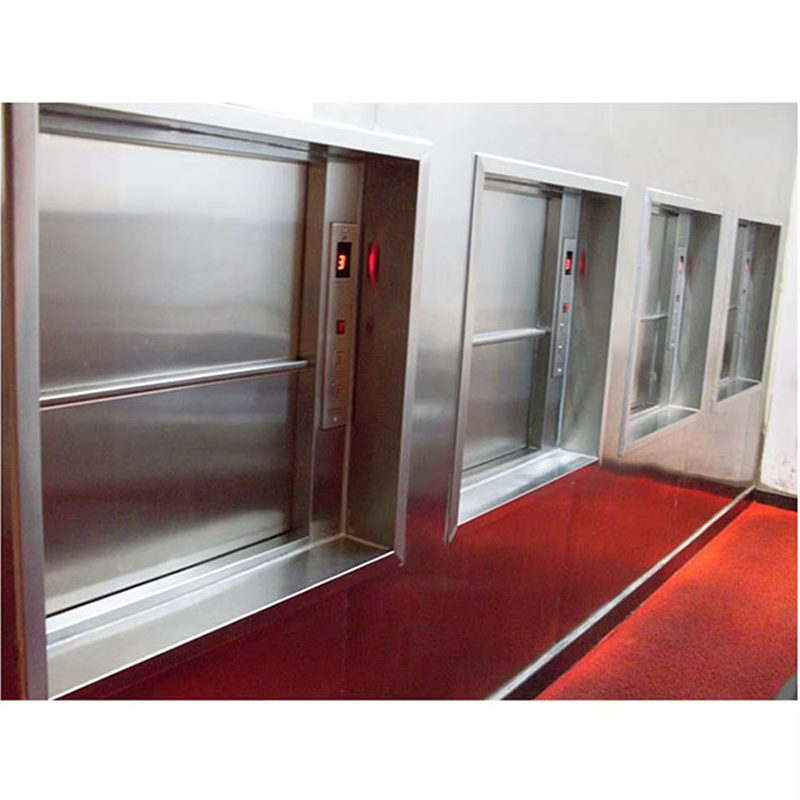
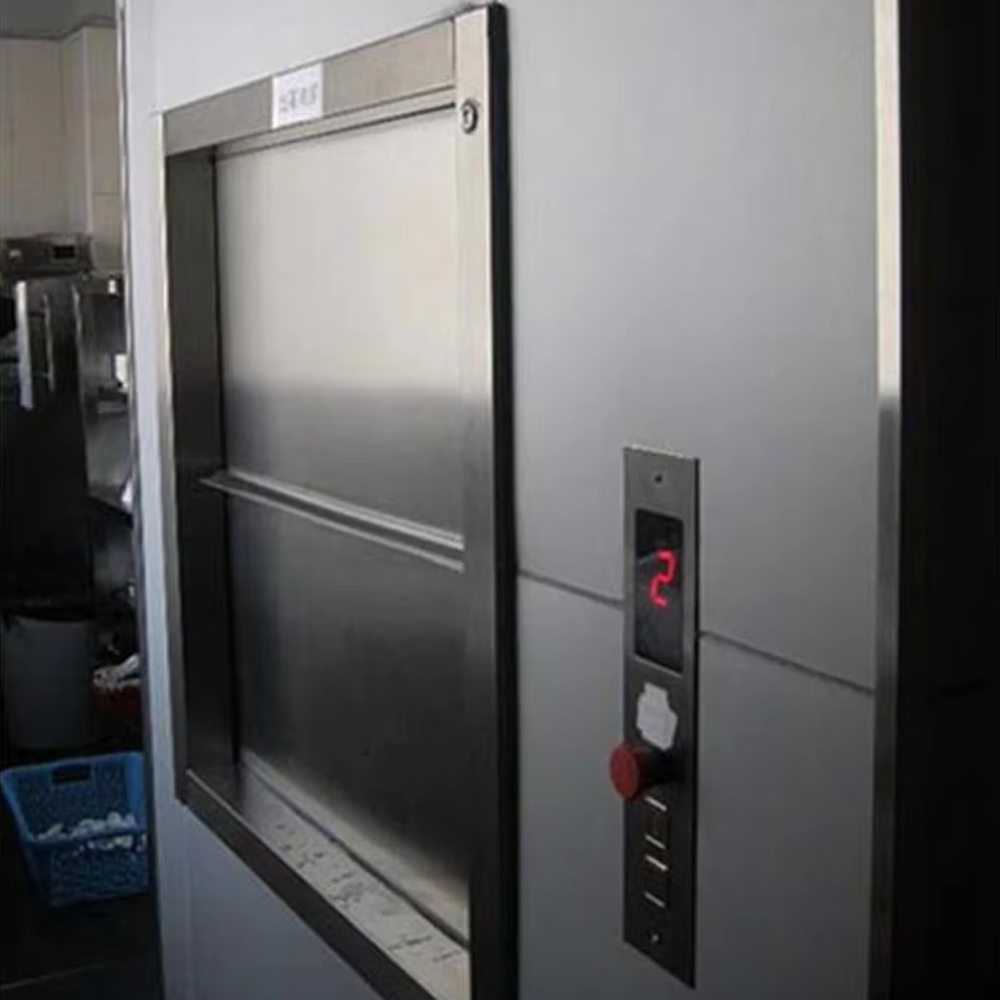
A food dumbwaiter lift is a small, motorized or manually operated freight elevator designed specifically to move food, dishes, beverages, and kitchen supplies between floors. Unlike a full-sized passenger elevator, a dumbwaiter is compact — typically with a cab measuring between 1 and 9 cubic feet — and built purely for cargo. You'll find them in restaurants, hotels, hospitals, private homes, and any multi-story setting where carrying trays up and down stairs is impractical, time-consuming, or physically demanding.
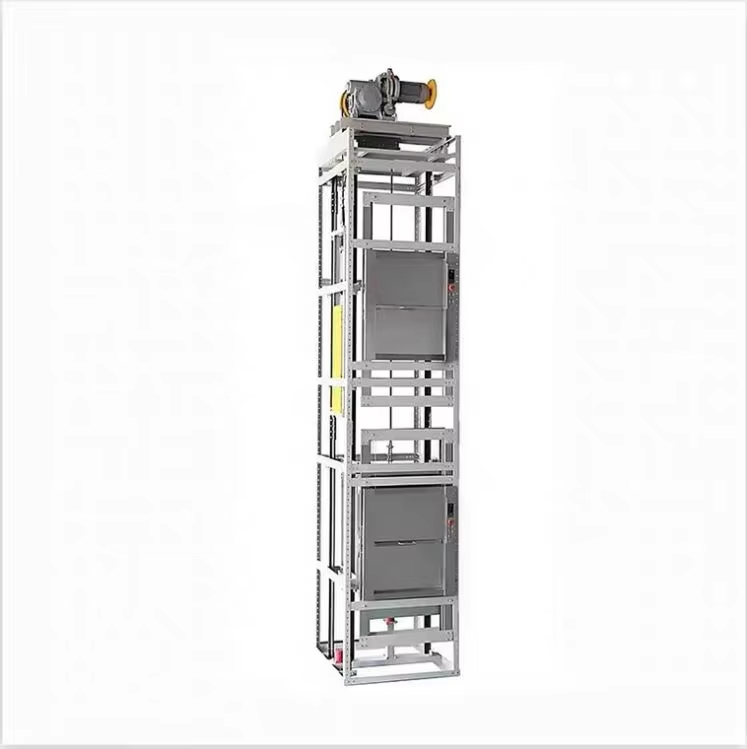
The mechanism is straightforward. A motorized dumbwaiter uses an electric drive system — either a cable-and-pulley setup or a rack-and-pinion drive — to raise and lower the cab along a vertical shaft. The operator loads food or dishes onto the cab platform, selects the destination floor using a control panel, and the lift does the rest. Modern units often include automatic door locks, overload sensors, and soft-start motors to ensure smooth, safe operation every time.
Manual dumbwaiters still exist and are sometimes used in heritage buildings or low-traffic residential settings. These rely on a counterweight system and a hand rope, requiring the operator to pull the cab up and lower it down by hand. While more affordable upfront, manual models are physically tiring over long shifts and are rarely used in commercial food service environments today.
Not all dumbwaiters are the same. The right type depends on your building layout, the volume of food being transported, the number of floors served, and your budget. Here's a breakdown of the most common categories:
This is the most widely used type in commercial kitchens and restaurants. An electric motor drives a cable system to raise and lower the cab. These units are quiet, reliable, and can handle loads ranging from 50 kg to 250 kg depending on the model. They're suitable for multi-floor restaurants, hotel room service operations, and hospital kitchens where consistent performance is essential.
Instead of cables, rack and pinion systems use a toothed rail and a motorized gear to move the cab. This design offers precise stopping accuracy and is especially useful in settings where the lift must stop at multiple floors with exact leveling — for example, a five-story hotel where room service is delivered to different levels throughout the day.
Smaller, quieter, and designed for home use, residential food dumbwaiter lifts are popular in multi-story private homes, vacation villas, and bed-and-breakfast establishments. These units typically carry lighter loads — between 30 kg and 100 kg — and are designed to blend into the home's interior. They often come with wooden or stainless-steel cab finishes to match kitchen décor.
Some food service lifts are engineered for outdoor installation — for instance, moving food from a ground-floor kitchen to a rooftop restaurant or an elevated pool deck. These models are built with weather-resistant materials including stainless steel cabs, sealed motors, and UV-resistant control panels.
Whether you're running a busy restaurant or managing a multi-story home, a food transport lift delivers measurable advantages. Here are the most impactful benefits:
The applications for a commercial dumbwaiter extend well beyond traditional restaurants. Here's a look at the most common environments where food service lifts are put to work:
| Setting | Typical Use | Recommended Load Capacity |
| Multi-story restaurants | Transporting plated dishes from kitchen to dining floors | 100–250 kg |
| Hotels | Room service delivery, banquet food staging | 100–200 kg |
| Hospitals and care homes | Meal distribution between floors, linen transport | 150–250 kg |
| Private homes | Moving groceries, meals, or laundry between floors | 30–100 kg |
| Schools and canteens | Bulk food transport from ground-floor kitchens | 150–250 kg |
| Rooftop bars and restaurants | Food and beverage delivery from basement or ground kitchens | 100–200 kg |
Selecting the right dumbwaiter for food service involves more than just picking a load capacity. Here are the key factors to evaluate before making a purchase or commissioning an installation:
Start by calculating the maximum weight you'll need to transport in a single trip. Factor in not just the food itself, but the weight of trays, plates, serving dishes, and any containers. Add a 20–30% safety margin to that figure when selecting your unit. Cab size matters too — if you're moving large gastronorm pans or full room-service trolleys, you'll need a larger platform than a unit designed for carrying individual plates.
A two-stop dumbwaiter (basement kitchen to ground floor, for example) is simpler and less expensive than a multi-stop unit serving five or six floors. If your building has multiple levels all requiring food delivery, look for a lift system with programmable floor controls and reliable door interlocks at every landing.
Measure the available shaft space carefully before shortlisting models. In older buildings, the shaft may need to be custom-built within a structural void or alongside a staircase. Work with a supplier who offers a site survey — this will prevent costly modifications down the line. Also consider the machine room: some dumbwaiters require a small motor room above or below the shaft, while others use machine-room-less (MRL) designs that house the drive unit within the shaft itself.
Dumbwaiter doors come in several configurations: bi-parting vertical doors, hinged doors, or horizontal sliding doors. In a busy kitchen, sliding or bi-parting doors are generally more practical as they don't require swing clearance. Safety-wise, look for units with interlock systems that prevent the lift from moving while any door is open, overload cutoffs, and emergency stop buttons at every floor.
In a restaurant dining room or hotel corridor, noise is a significant concern. Ask suppliers for decibel ratings and, if possible, request a demonstration. Variable-speed drives and well-insulated shafts can significantly reduce operational noise, making the lift virtually silent from the guest's perspective.
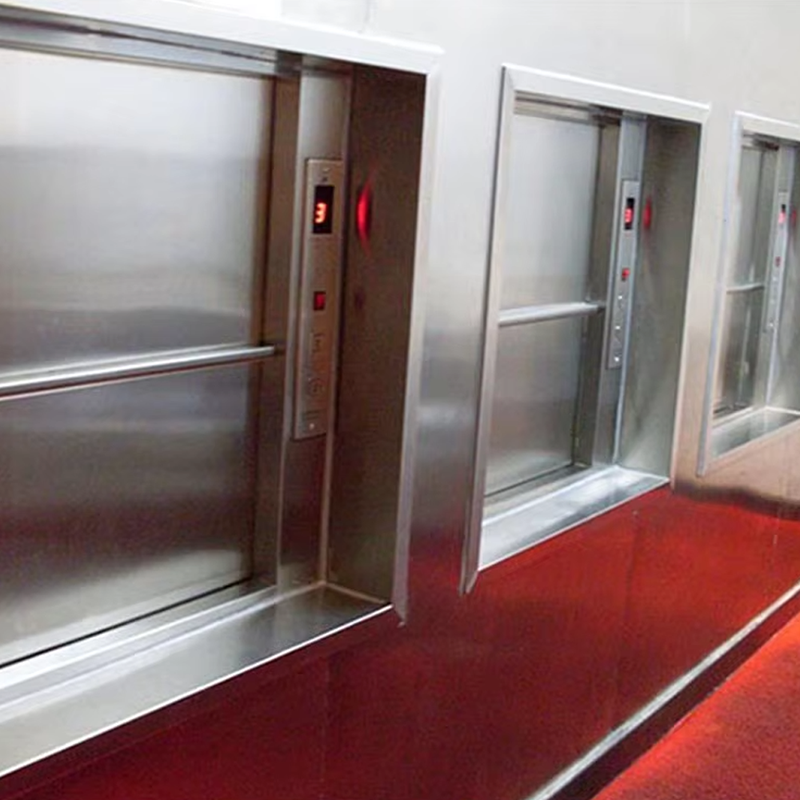
Installing a food service lift is a structured process that involves several stages. Understanding what's involved helps you plan around operational disruptions and budget accurately.
A well-maintained food dumbwaiter lift can last 15–25 years with minimal issues. Neglecting maintenance, however, leads to unexpected breakdowns during peak service hours — exactly when you can least afford them. Here are the maintenance fundamentals every operator should follow:
Before each service period, staff should check that the cab moves freely without unusual noises, doors open and close properly at all landings, and the control panel responds correctly. Any irregularity should be logged and reported immediately — running a faulty lift risks both equipment damage and safety incidents.
The interior of the cab and the door tracks should be cleaned monthly to prevent food debris from accumulating. Grease and food particles in the door mechanism can cause doors to jam or interlock sensors to malfunction. Use a food-safe cleaning agent and ensure the lift is powered off before cleaning inside the shaft.
At minimum once a year, a qualified lift engineer should inspect the guide rails, lubricate the drive components, check cable tension (for cable-driven units), test all safety devices, and verify that the load sensor is calibrated correctly. In high-usage commercial environments — such as a busy restaurant running two or three sittings per day — a six-monthly service schedule is advisable.
Document every inspection, repair, and part replacement in a dedicated logbook. This not only helps identify recurring issues early but is also required by regulators in many jurisdictions as part of your lift's legal compliance record.
Pricing for a food elevator varies widely based on size, capacity, number of stops, and whether the shaft needs to be constructed from scratch. The table below gives a general indicative range to help with initial budgeting:
| Type | Stops | Estimated Cost (Supply & Install) |
| Residential food lift | 2 | $5,000 – $12,000 |
| Light commercial dumbwaiter | 2–3 | $12,000 – $25,000 |
| Heavy commercial dumbwaiter | 3–6 | $25,000 – $60,000+ |
| Shaft construction (if required) | — | $3,000 – $15,000 additional |
These figures are indicative only and will vary by region, building complexity, and specific product specification. Always obtain at least three quotes from accredited lift installers and ensure each quote covers supply, installation, testing, certification, and a first-year maintenance visit.
Functionally, yes. "Food elevator" and "dumbwaiter" are used interchangeably in most contexts, though "dumbwaiter" is the traditional industry term. Some suppliers use "food lift" or "service lift" to describe the same type of equipment. The key distinction from a freight or passenger elevator is size — a dumbwaiter is compact and carries goods only, not people.
Yes, and this is one of the most common scenarios. Retrofitting a dumbwaiter into an existing building typically requires identifying a suitable void alongside a staircase or within a service corridor, then constructing a shaft within that space. It's more involved than a new-build installation, but entirely feasible in most structures. A site survey by a qualified engineer will determine the best approach.
Requirements vary by country, state, and even local municipality. In many jurisdictions, a dumbwaiter installation in a commercial building requires building regulations approval and must be inspected and certified by a competent authority before use. In residential properties, the rules are often more relaxed. Always check with your local building control authority before starting work.
A straightforward two-stop installation into a pre-existing shaft can take as little as two to three days. If a new shaft needs to be built, the total project timeline is typically three to six weeks, depending on the complexity of the construction work and the lead time on the lift equipment itself.
Most commercial dumbwaiters are designed with a fail-safe mode — the cab stops in place and doors can be manually opened if necessary. Choose a supplier who offers a service contract with a guaranteed response time, ideally within four hours for commercial sites. Having a maintenance contract in place also typically means faster access to replacement parts and priority scheduling for repairs.
Tel/wechat/whatsapp: +86-13812695057
E-mail: [email protected]
Add: Building 7, No. 268, Chang 'an Road, Bache Sub-district, Dong Taihu Ecological Tourist Resort (Taihu New Town), Wujiang District, Suzhou City, Jiangsu Province, China