

 English
 Español
Industry News
What Makes Panoramic Elevators Different From Standard Elevators
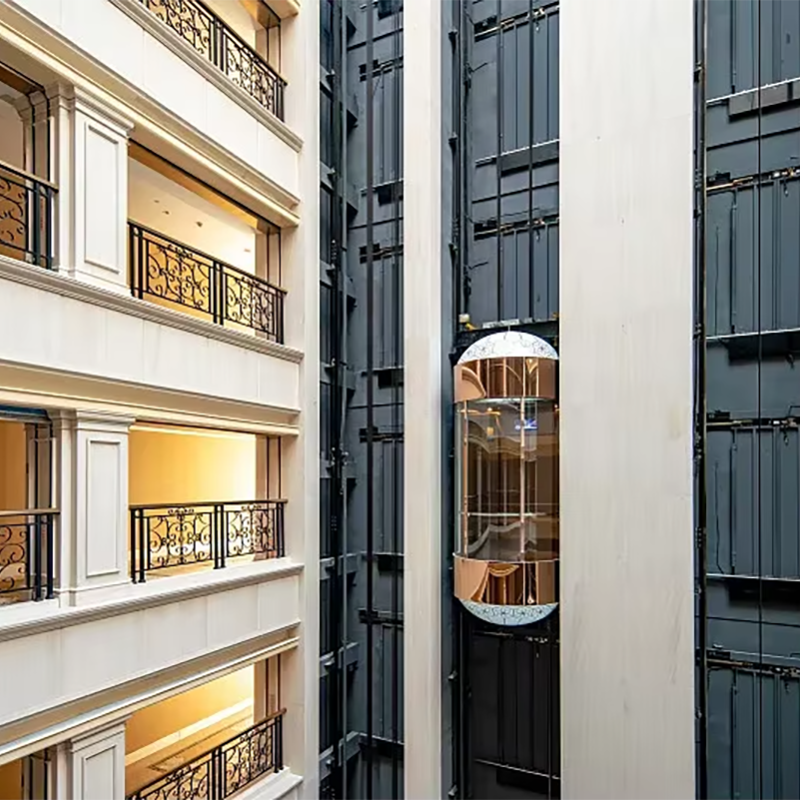
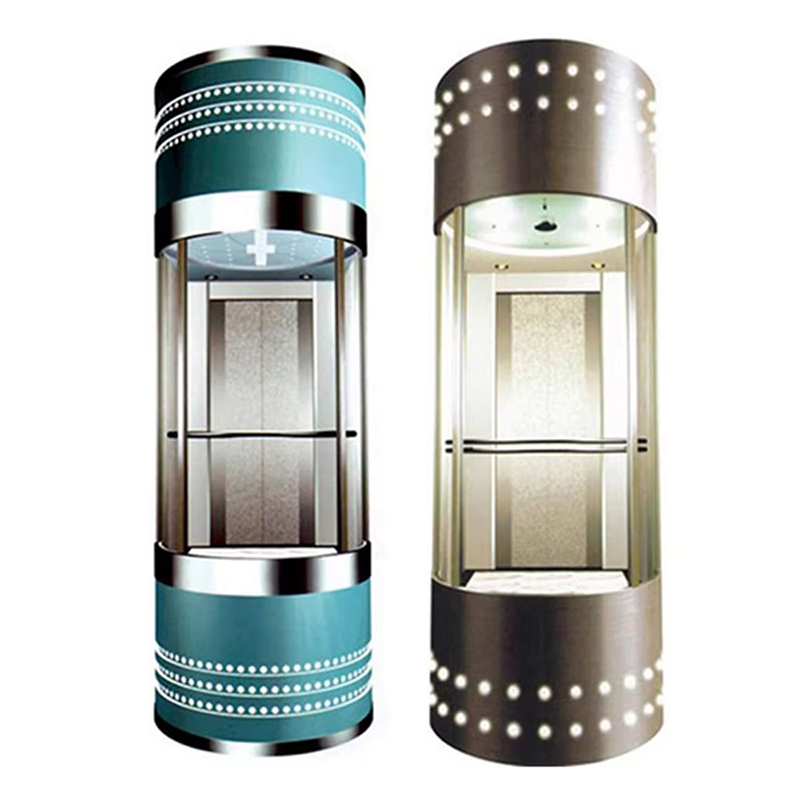
A panoramic elevator, sometimes called a glass elevator or scenic elevator, is a passenger lift that uses transparent glass walls instead of solid metal panels. Unlike a standard elevator car that hides riders inside a closed box, a panoramic elevator lets passengers see the surrounding lobby, atrium, or outdoor scenery as they travel between floors. This open design turns a routine vertical trip into part of the overall building experience, which is why panoramic elevators have become a signature feature in hotels, shopping malls, office towers, and luxury residences.
The core difference is not just visual. Panoramic elevators typically require a different structural approach, including reinforced glass panels, exposed guide rails, and sometimes an external shaft that is mounted on the outside of a building rather than tucked inside a concrete core. This means the decision to install a panoramic elevator affects architecture, engineering, and safety planning from the earliest stages of a project.
How Panoramic Elevators Are Built
Building a panoramic elevator involves more engineering than people expect. The glass, the frame, and the drive system all need to work together so the car feels light and open while still meeting strict load and safety codes.
Glass and Framing Choices
Most panoramic elevators use laminated or tempered safety glass, often in multiple layers, so the panels can hold weight and resist impact without shattering into dangerous shards. The framing around the glass can be minimal aluminum strips for a nearly invisible look, or heavier steel framing for a more industrial, exposed style. The choice usually depends on the building's overall design language and budget.
Drive Systems and Shaft Placement
Panoramic elevators commonly use traction drive systems with counterweights positioned to the side or behind the car, keeping the front view unobstructed. Some are installed in a fully glass shaft that sits outside the main building envelope, which maximizes the view but requires extra weatherproofing, thermal insulation, and drainage planning to keep the mechanism protected from rain, wind, and temperature swings.
Where Panoramic Elevators Work Best
Not every building benefits equally from a panoramic elevator. They tend to deliver the most value in spaces where the journey itself can become a visual highlight rather than just a way to move between floors.
- Hotel atriums where guests can view multiple floors of activity below
- Shopping centers that want to showcase storefronts and open courtyards
- Office towers with skyline or waterfront views
- Museums and cultural centers that want the elevator to feel like part of the exhibit
- Luxury residential buildings where the elevator ride adds to the sense of exclusivity
Panoramic Elevators vs Traditional Elevators
The table below compares the two options across the factors that matter most to building owners and architects when weighing a panoramic elevator against a standard enclosed cab.
| Factor | Panoramic Elevator | Traditional Elevator |
| Visual Appeal | High, open views of surroundings | Low, enclosed cab |
| Installation Cost | Higher due to glass and framing | Lower, standard materials |
| Maintenance | More frequent glass and seal checks | Standard mechanical upkeep |
| Best Use Case | Atriums, hotels, scenic buildings | Offices, residential, utility use |
| Energy Considerations | May need extra insulation if external | Typically more energy efficient |
Cost and Installation Considerations
Panoramic elevators generally cost more than enclosed models because of the specialized glass, custom framing, and often more complex shaft construction. Owners should budget for structural reinforcement, especially if the elevator will be mounted on an exterior wall or suspended in an open atrium. Permitting can also take longer since building codes for glass elevators often include extra requirements for fall protection, glass strength testing, and fire safety ratings.
It helps to bring in the elevator manufacturer early in the design process rather than after the architecture is finalized. Adjusting shaft dimensions, glass thickness, or drive system placement is far cheaper during planning than after construction has started.
Maintenance and Safety Tips
Keeping a panoramic elevator safe and looking sharp takes a bit more attention than a standard cab, mainly because the glass surfaces show wear, smudges, and weather exposure more visibly.
- Schedule regular glass inspections to check for chips, cracks, or seal degradation
- Clean glass panels with non-abrasive materials to avoid scratching
- Check exterior seals and drainage if the shaft is exposed to weather
- Test emergency communication and lighting systems on the same schedule as standard elevators
- Verify that guide rails and counterweights are free of debris that could affect the smooth glass-side view
Choosing the Right Panoramic Elevator for Your Building
The right panoramic elevator depends on the building's purpose, budget, and the view it is meant to showcase. A hotel might prioritize a large glass cab facing an interior atrium, while an office tower might choose a smaller unit facing an exterior skyline. Working with an experienced elevator consultant helps match the glass type, drive system, and shaft placement to both the aesthetic goals and the practical constraints of the site.
Ultimately, a panoramic elevator is an investment in how people experience a building, not just how they move through it. When planned carefully, it can become one of the most memorable features of the entire structure.