

 English
 Español
Home / News / Industry News / Freight Elevators: A Simple Guide to Picking the Right One for Your Business
Industry News

Tel/wechat/whatsapp: +86-13812695057
E-mail: [email protected]
Content
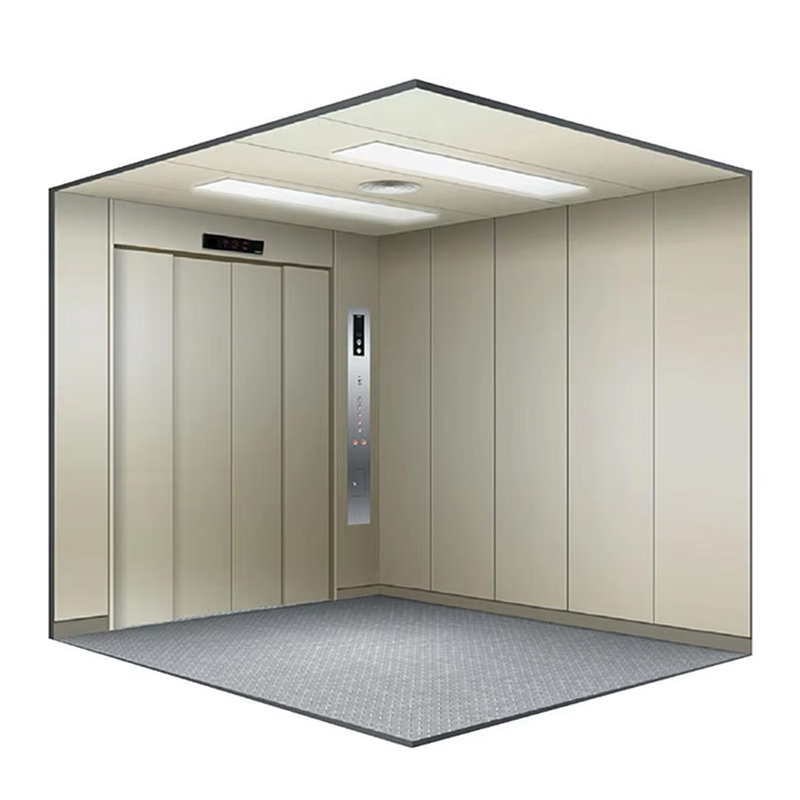
Freight elevators are built to move heavy loads, not people, even though workers often ride alongside cargo during loading and unloading. Compared to passenger elevators, freight elevators have reinforced cabs, thicker steel flooring, higher weight capacities, and larger door openings that can accommodate pallets, forklifts, and bulky equipment. The interior finishes are usually simple and industrial, since the goal is durability rather than appearance. Understanding this distinction matters because using the wrong type of elevator for heavy, repetitive freight movement can lead to premature wear, safety hazards, and costly downtime.
Freight elevators are also classified by load class, which determines how they are loaded and how much weight they can safely carry. Class A is for general freight loaded manually or with a pallet jack. Class B is for motor vehicle loading, where trucks or automobiles are driven directly onto the platform. Class C covers industrial trucking, where forklifts carry concentrated loads onto the elevator. Knowing which class fits your operation is the first step toward choosing the right freight elevator.
Choosing a freight elevator with the correct weight capacity is one of the most important decisions you'll make. Underestimating capacity creates safety risks and can shorten the lifespan of the equipment, while oversizing adds unnecessary cost. A good starting point is to calculate the heaviest single load you expect to move, including the weight of any vehicle or equipment used to load it, such as a forklift.
It's wise to add a safety margin above your heaviest anticipated load rather than sizing the elevator to your exact current needs. Businesses often grow, and equipment or inventory loads tend to increase over time, so planning ahead avoids the expense of replacing an elevator too soon.
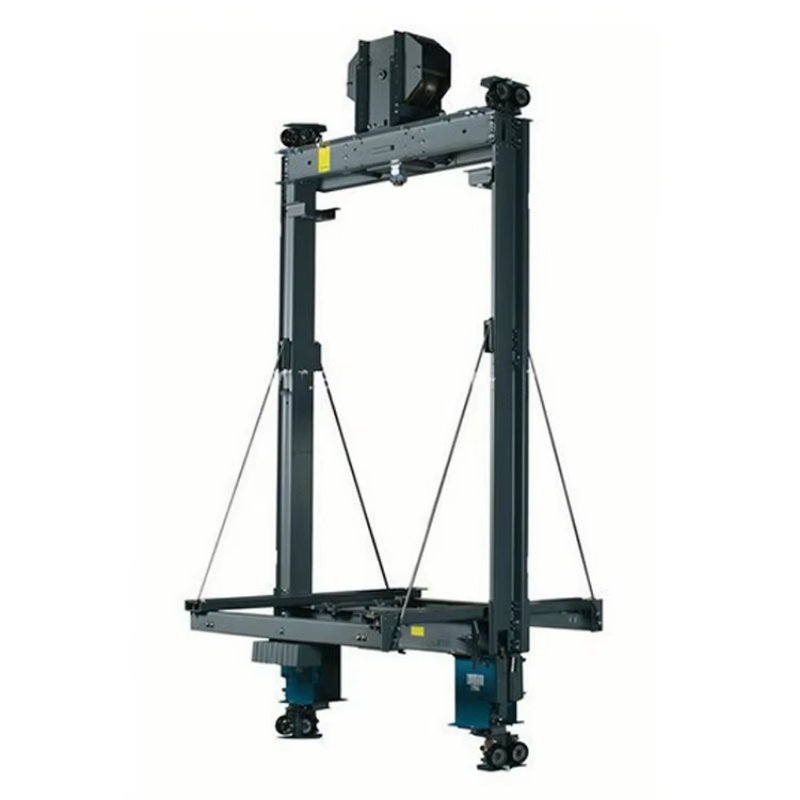
The two most common freight elevator systems are hydraulic and traction, and each fits different building types and usage patterns. Hydraulic freight elevators use a fluid-driven piston to lift the cab and are typically chosen for low- to mid-rise buildings because they are more affordable to install and maintain at shorter travel distances. Traction freight elevators use cables and a counterweight system driven by a motor, making them better suited for taller buildings and higher-speed, higher-usage applications.
| Feature | Hydraulic Freight Elevator | Traction Freight Elevator |
| Best Building Height | Low to mid-rise (up to 6 floors) | Mid-rise to high-rise |
| Speed | Slower | Faster |
| Installation Cost | Lower | Higher |
| Energy Efficiency | Lower | Higher |
| Typical Use Case | Warehouses, retail backrooms | Manufacturing plants, tall distribution centers |
If your facility has limited vertical travel and moderate usage, a hydraulic freight elevator often makes the most financial sense. If you need faster cycle times, frequent heavy use, or greater travel height, a traction freight elevator is usually the better long-term investment despite the higher upfront cost.
Because freight elevators handle heavy, sometimes awkward loads, safety features are not optional extras but essential components. When specifying or inspecting a freight elevator, make sure the following are included and functioning correctly.
Skipping any of these safeguards can put workers at risk and may also violate local building and elevator codes, which typically require regular inspection and certification for freight elevators.
A freight elevator represents a significant investment, and routine maintenance is the most reliable way to protect that investment while keeping operations safe. Heavy daily use means freight elevators experience more mechanical stress than passenger elevators, so maintenance schedules should be more frequent and more thorough.
Neglecting maintenance doesn't just risk breakdowns; it also shortens the operational life of the elevator and increases the likelihood of expensive emergency repairs. A well-maintained freight elevator can last several decades, while a poorly maintained one may require major component replacement far sooner.
The total cost of a freight elevator goes well beyond the purchase price of the equipment itself. Businesses should budget for installation, ongoing maintenance, energy consumption, and eventual modernization or replacement of components.
Installation costs depend heavily on the number of floors served, the elevator's weight capacity, and whether the building already has a suitable shaft or needs new construction. Hydraulic freight elevators are generally less expensive to install for shorter runs, while traction systems cost more upfront but tend to be more energy-efficient and cheaper to run over time in taller buildings. Ongoing costs include routine inspections, part replacements, callback repairs, and insurance requirements tied to code compliance. Planning for these recurring expenses from the start helps avoid budget surprises later.
Even experienced facility managers can make avoidable mistakes when planning a freight elevator installation. Being aware of these pitfalls in advance can save time, money, and safety headaches down the road.
Taking the time to plan capacity, safety features, and maintenance from the outset ensures your freight elevator serves your operation reliably for years to come, rather than becoming a recurring source of downtime and unexpected costs.

Tel/wechat/whatsapp: +86-13812695057
E-mail: [email protected]
Add: Building 7, No. 268, Chang 'an Road, Bache Sub-district, Dong Taihu Ecological Tourist Resort (Taihu New Town), Wujiang District, Suzhou City, Jiangsu Province, China