

 English
 Español
Industry News
What Is an Elevator Traction Machine and How Does It Work?
An elevator traction machine is the mechanical heart of a traction elevator system, responsible for raising and lowering the elevator car using steel ropes or belts wrapped around a grooved wheel called a sheave. Rather than pushing the car up from below like a hydraulic system, a traction machine works from above, using friction between the ropes and the sheave to move the car smoothly along its shaft. On the opposite end of the ropes sits a counterweight, roughly equal in mass to the car plus about 40 to 50 percent of its rated load, which balances the system and reduces the amount of energy needed to move the car.
The traction principle relies on friction rather than a solid mechanical connection, which is why the grooves on the sheave and the condition of the ropes matter so much. When the motor inside the machine turns the sheave, friction pulls the ropes along with it, lifting the car on one side while lowering the counterweight on the other. This design allows traction elevators to travel much greater heights than hydraulic elevators, making the traction machine the standard choice for mid-rise and high-rise buildings.
Main Types of Elevator Traction Machines
Not all traction machines are built the same way, and the type used often depends on building height, speed requirements, and space constraints. Understanding the differences helps building owners and engineers choose the right system for their specific project.
Geared Traction Machines
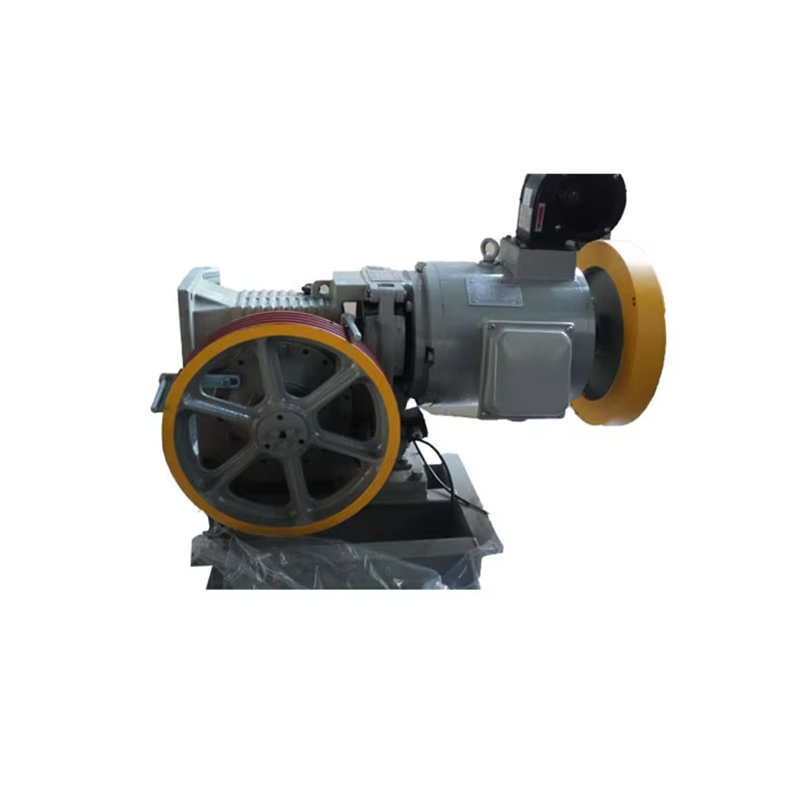
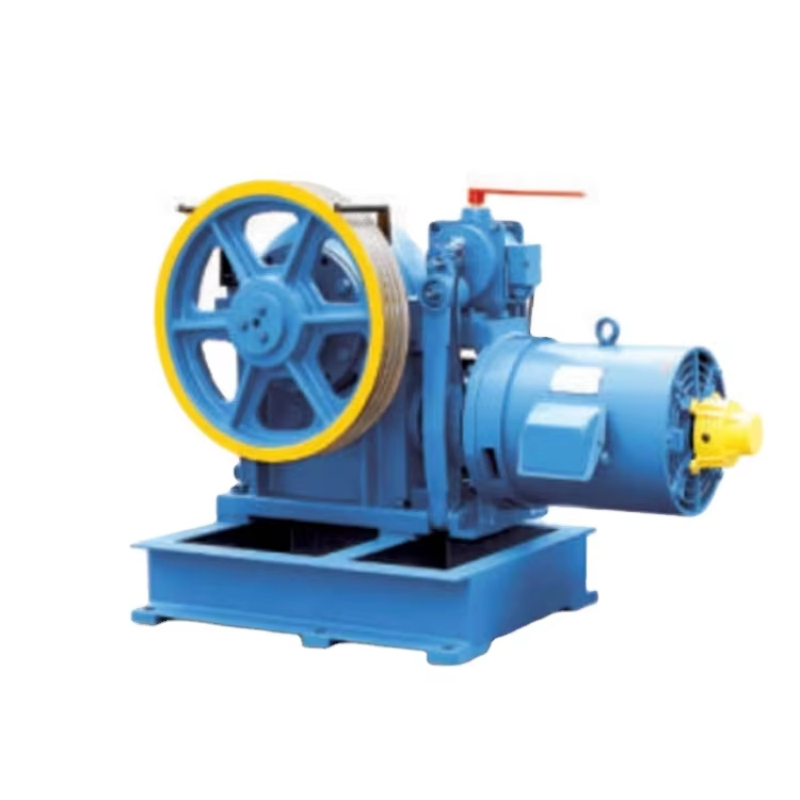
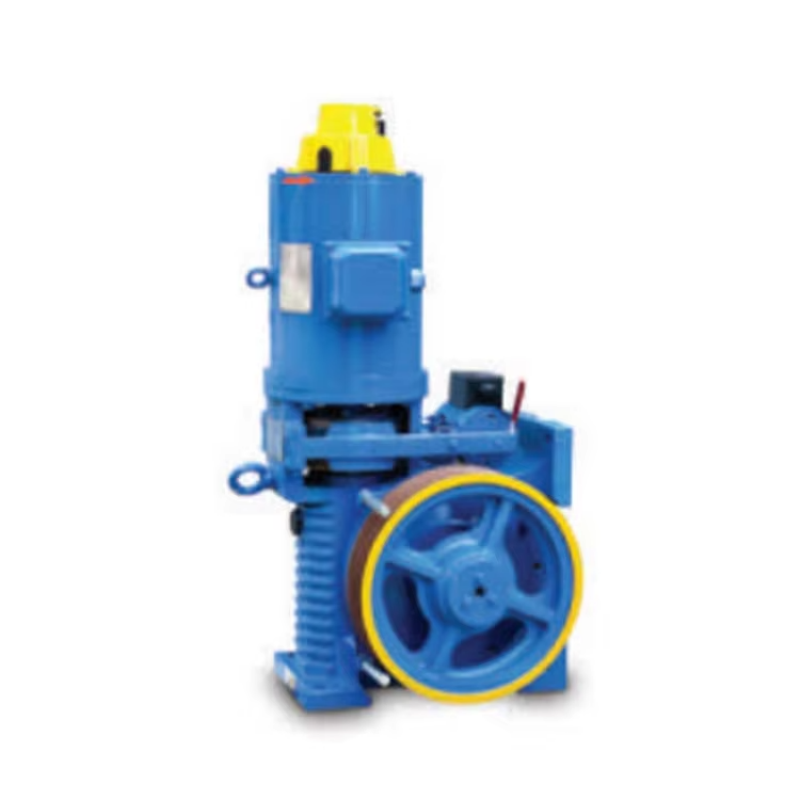
Geared traction machines use a gearbox to reduce the motor's rotational speed before it reaches the sheave, allowing a smaller, faster motor to move the elevator car at a controlled pace. These machines are typically used in low to mid-rise buildings where speeds of 200 to 500 feet per minute are sufficient. They tend to be more affordable upfront but require regular gearbox maintenance, including lubrication and periodic inspection for wear.
Gearless Traction Machines
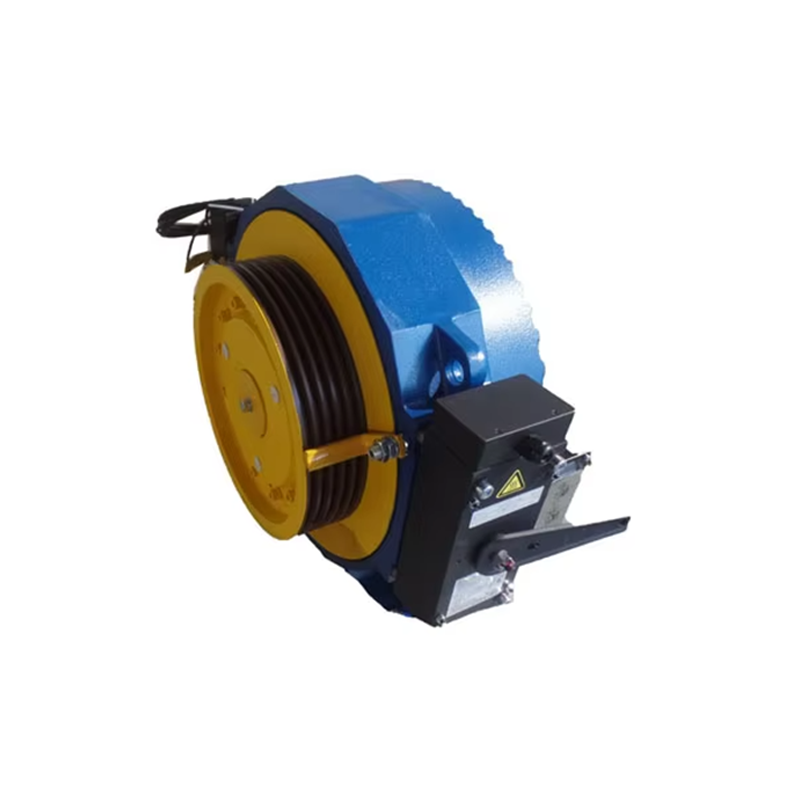
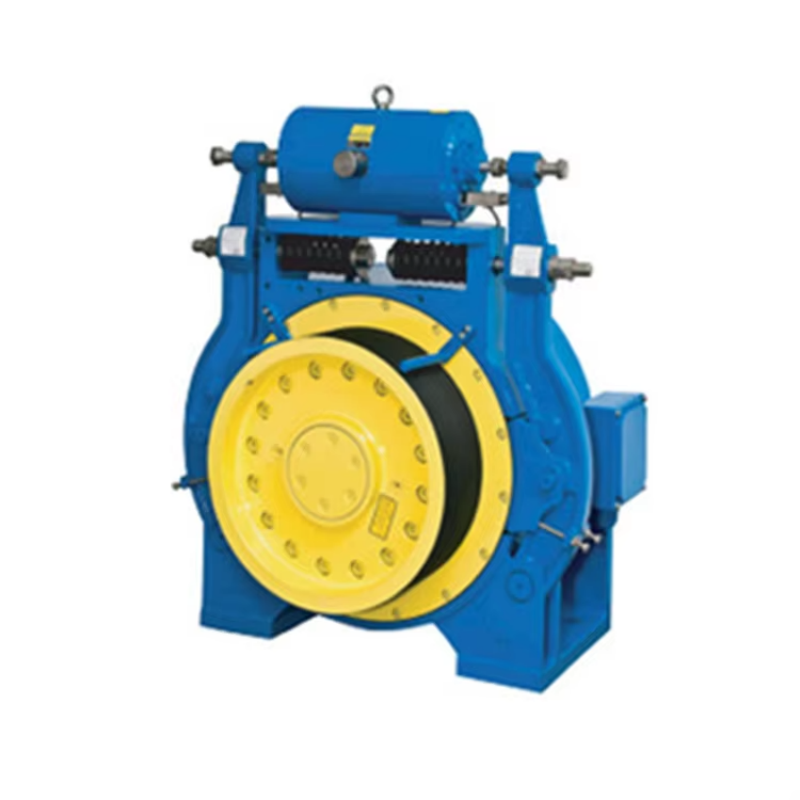
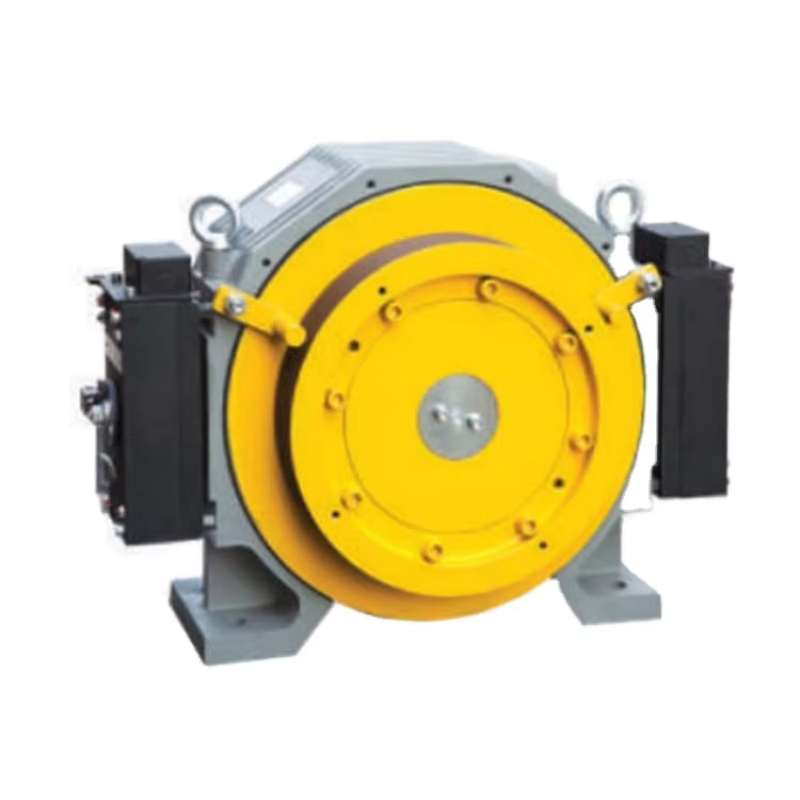
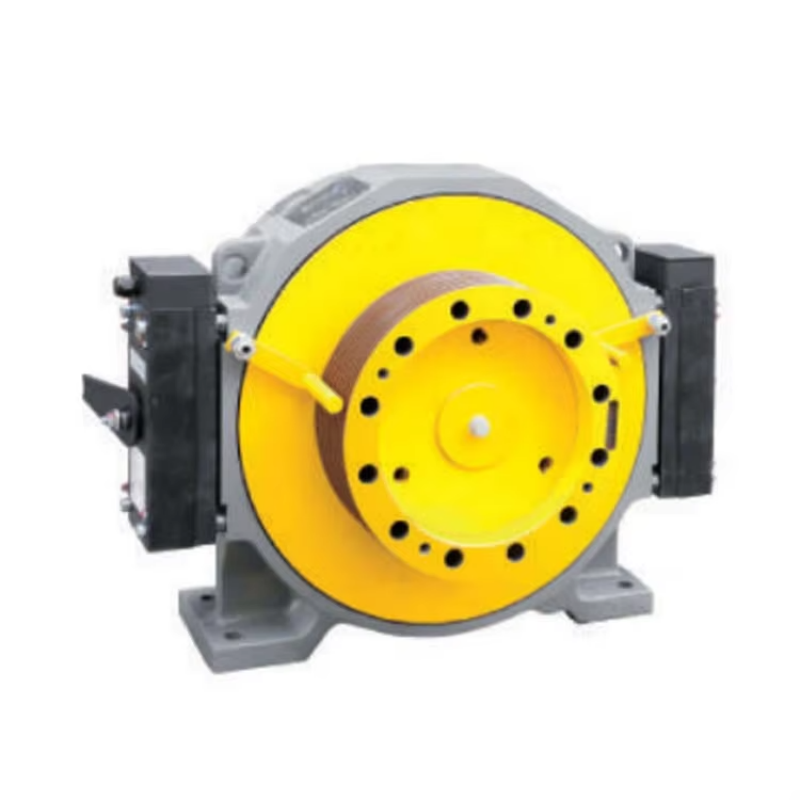
Gearless traction machines connect the motor directly to the sheave without any intermediate gearing, resulting in smoother, quieter, and faster operation. These are the go-to choice for high-rise buildings and high-speed elevators, often reaching speeds above 500 feet per minute. Because there's no gearbox to maintain, gearless machines generally have a longer service life and lower long-term maintenance costs, though the initial investment is higher.
Machine-Room-Less (MRL) Traction Machines
Machine-room-less traction machines are compact gearless units designed to fit directly within the elevator shaft, eliminating the need for a separate machine room. This design has become increasingly popular in modern construction because it saves valuable building space and reduces construction costs, while still delivering the performance of a standard gearless system.
Comparing Traction Machine Types at a Glance
The table below summarizes the key differences between the main types of elevator traction machines to make comparison easier when planning an installation or upgrade.
| Machine Type | Best Use Case | Typical Speed | Maintenance Level |
| Geared Traction Machine | Low to mid-rise buildings | 200-500 ft/min | Moderate to High |
| Gearless Traction Machine | High-rise buildings | 500+ ft/min | Low |
| Machine-Room-Less (MRL) | Space-limited buildings | 150-500 ft/min | Low |
Key Components That Make Up a Traction Machine
A traction machine isn't just a single motor, it's a system of interconnected parts that all need to work in harmony for safe and reliable operation. Knowing these components helps building managers communicate more effectively with technicians during inspections or repairs.
- Motor: Provides the rotational force needed to drive the sheave and move the elevator car.
- Sheave: The grooved wheel that the ropes wrap around, creating the friction needed for traction.
- Brake: Holds the car in place when stopped and prevents movement during power loss.
- Governor: Monitors car speed and triggers safety mechanisms if the car moves faster than allowed.
- Steel ropes or belts: Connect the car to the counterweight and transmit the lifting force from the machine.
Common Maintenance Issues and How to Prevent Them
Like any mechanical system under constant load, elevator traction machines require regular upkeep to avoid breakdowns and extend their operational lifespan. Ignoring small issues can lead to costly repairs or, in worse cases, safety hazards for passengers.
Rope Wear and Sheave Groove Damage
Over time, the constant friction between ropes and sheave grooves causes gradual wear, which can reduce traction efficiency and increase slippage risk. Regular inspections should check for fraying, corrosion, or uneven wear patterns, with rope replacement scheduled based on manufacturer guidelines rather than waiting for visible failure.
Motor Overheating
Traction machines that run frequently in high-traffic buildings can experience motor overheating if ventilation or cooling systems aren't functioning properly. Technicians should check cooling fans, ventilation pathways, and load cycles to ensure the motor isn't being pushed beyond its rated duty cycle.
Brake System Wear
Since the brake is responsible for holding the car safely in place, any wear in brake pads or linkages needs immediate attention. Routine testing of brake response time and holding force should be part of every scheduled maintenance visit, as a delayed or weak brake response is a serious safety concern.
Choosing the Right Traction Machine for a Building Project
Selecting the right elevator traction machine involves more than just picking the most powerful option available. Building height, expected passenger volume, available space, and long-term budget all play a role in determining the best fit.
For low-rise residential or commercial buildings with limited elevator traffic, a geared traction machine often provides a cost-effective solution without sacrificing reliability. For taller buildings or those with heavy passenger loads, a gearless traction machine offers smoother rides and better long-term durability despite the higher upfront cost. In cases where space is at a premium, such as renovations of older buildings without room for a dedicated machine room, a machine-room-less traction machine can solve space constraints while still delivering strong performance. Consulting with an elevator engineer early in the planning process can help match the right machine type to the specific demands of the building.