

 English
 Español
Home / News / Industry News / Everything You Need to Know About Elevator Ceiling Design, Materials, and Replacement
Industry News

Tel/wechat/whatsapp: +86-13812695057
E-mail: [email protected]
Content
The elevator ceiling is one of those design elements most people never think about — until they're stuck in a slow-moving cab staring straight up at it. But for building owners, interior designers, and facility managers, the elevator cab ceiling is a critical component that affects lighting, ventilation, aesthetics, maintenance access, and even passenger comfort. Whether you're renovating an existing lift or speccing out a new installation, understanding your elevator ceiling options can make a real difference in the final result.
Modern elevator ceilings come in a wide range of materials, configurations, and finishes. From simple white panels with fluorescent tubes to sophisticated suspended ceilings with LED lighting and mirrored inlays, the ceiling of an elevator cab sets the tone for the entire ride experience. It also houses some essential mechanical components, making it a functional necessity as much as a design opportunity.
There's no single standard when it comes to elevator interior ceilings. The right type depends on the building's style, budget, usage level, and the impression ownership wants to make. Here are the most widely used types:
A flush elevator ceiling sits flat against the top of the cab with no hanging elements. It's clean, minimal, and easy to maintain. Typically made from metal panels or laminate boards, flush ceilings are a go-to in commercial and industrial settings where durability matters more than decorative flair. Lighting is usually recessed or integrated into the panel itself.
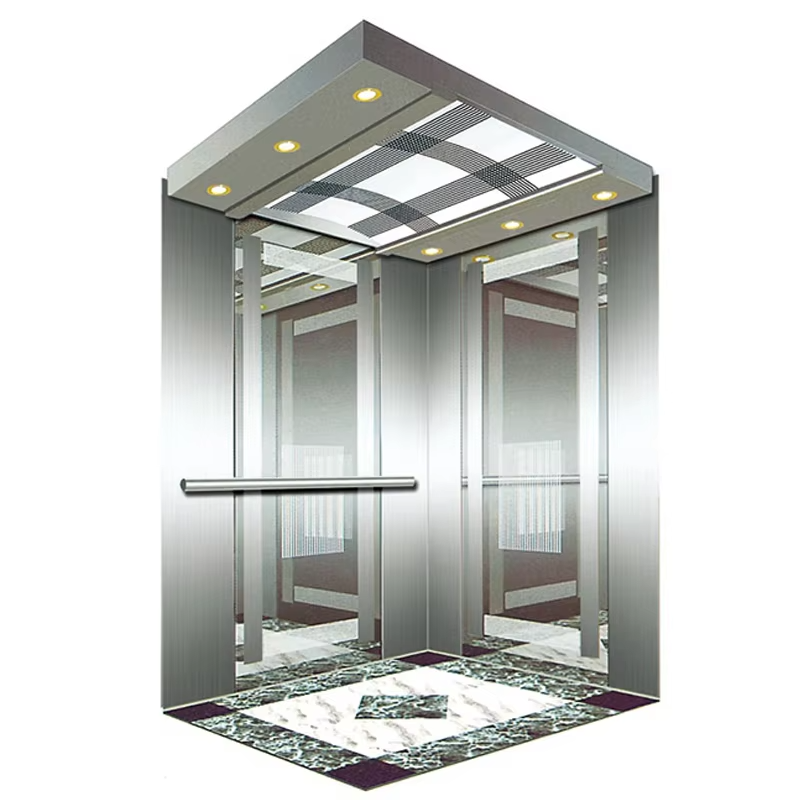
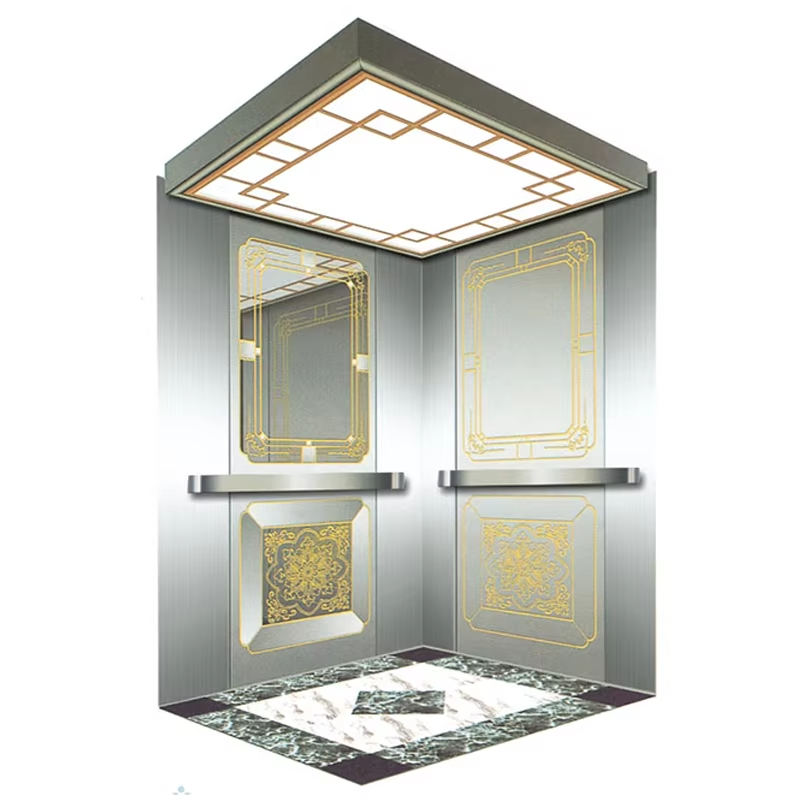
Suspended elevator ceilings hang below the structural ceiling of the cab, creating a layered visual effect. This design allows for concealed wiring, lighting fixtures, and ventilation components above the visible surface. They're popular in upscale residential buildings, hotels, and commercial spaces that want a more refined look. The gap between the structural ceiling and the suspended panel gives designers more flexibility with lighting angles and materials.
These ceilings use frosted acrylic, glass, or polycarbonate panels backlit by LED strips or fluorescent tubes. They distribute light softly and evenly throughout the cab, reducing harsh shadows and making the space feel larger and more open. Backlit elevator ceiling panels are especially common in luxury residential towers, boutique hotels, and high-end retail environments.
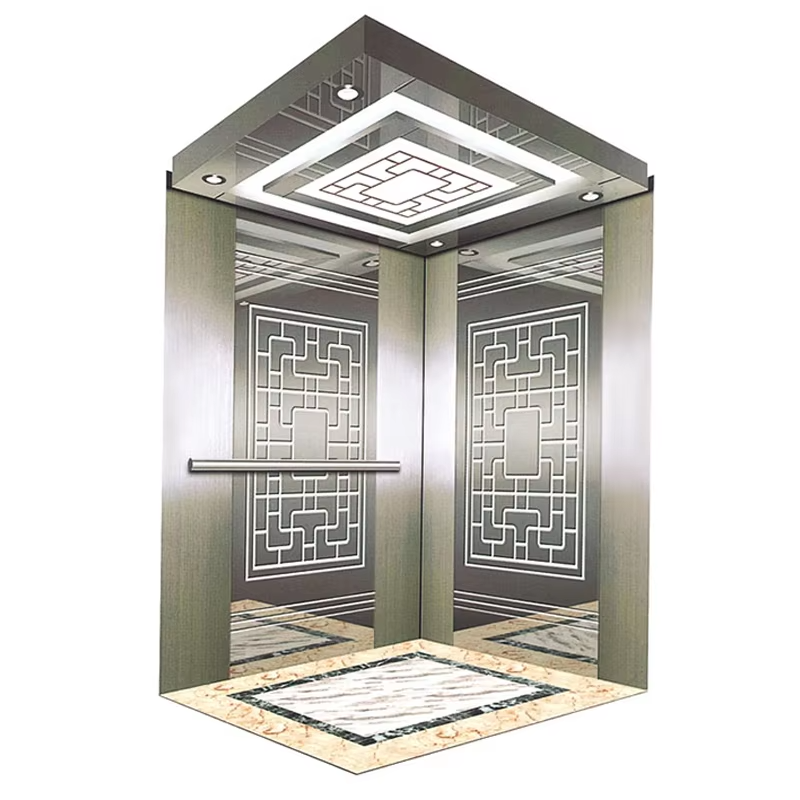
A mirrored elevator ceiling creates the illusion of extra height and space. This works particularly well in compact cabs where passengers might feel confined. Mirrors are typically tempered for safety and framed with stainless steel or brushed aluminum trim. They're a popular choice in hospitality settings and high-rise apartments.
For landmark buildings or bespoke interiors, elevator ceiling designs can go far beyond standard options. Wood veneer, perforated metal, stretched fabric, laser-cut patterns, and even custom artwork on printed panels are all on the table. High-end elevator manufacturers offer full customization for ceiling height, texture, color, and lighting layout.
Choosing the right material for your elevator cab ceiling involves balancing cost, durability, appearance, and maintenance requirements. The table below summarizes the most common materials used:
| Material | Durability | Aesthetic Appeal | Maintenance | Cost Range |
| Stainless Steel | Very High | Modern/Industrial | Low | Medium–High |
| Acrylic/Polycarbonate | Medium | Soft/Glowing | Medium | Low–Medium |
| Tempered Mirror Glass | High | Luxurious/Spacious | Medium | Medium–High |
| Wood Veneer | Medium | Warm/Natural | High | High |
| Painted Steel Panel | High | Basic/Utilitarian | Low | Low |
| Fabric/Stretched Textile | Low–Medium | Soft/Boutique | High | High |
Lighting is arguably the most impactful element of any elevator ceiling design. The wrong lighting can make a cab feel sterile, cramped, or uncomfortable. The right lighting can elevate the entire experience — quite literally. Here's what to know about elevator ceiling lighting options:
Recessed LED or CFL fixtures installed directly into the ceiling panel give a clean, contemporary look. They provide focused downward light and work well in modern commercial elevator interiors. The main downside is that they can create uneven pools of light if not spaced correctly.
LED strips or rope lights installed along the perimeter edge of a suspended elevator ceiling create an indirect, ambient glow. This method is very popular in luxury cabs because it's flattering, even, and eliminates harsh shadows. It also adds a sense of depth, making the cab feel taller.
When the entire ceiling panel is backlit — typically using a translucent acrylic or frosted glass surface over LED tape — the result is a softly glowing overhead surface. This is one of the most comfortable lighting options for passengers and gives the elevator interior ceiling a high-end, spa-like feel.
All elevator ceilings must include code-compliant emergency lighting. Most jurisdictions require battery-backed lighting that activates automatically during a power failure. This is typically a small but important fixture integrated into the ceiling panel, often separate from the main lighting circuit. Always verify requirements with your local building code or elevator inspector before finalizing a design.
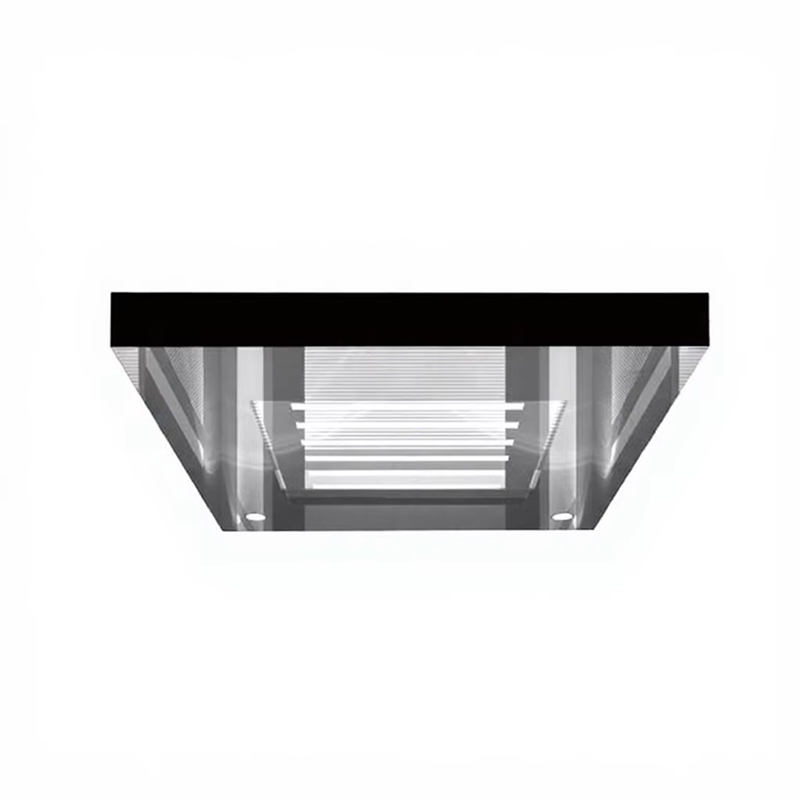
The interior clear height of an elevator cab is partly determined by the hoistway and equipment design, but there's often more flexibility than building owners realize. Standard commercial elevator cabs typically have an interior ceiling height of around 7 to 8 feet. Residential and low-rise units may be shorter.
If you're considering a suspended ceiling design, keep in mind that it will reduce the apparent height of the cab. Hanging a ceiling panel 6–8 inches below the structural ceiling is common, but going lower starts to feel confining, especially for taller passengers. For cabs that already feel tight, a flush ceiling or a mirrored surface is a smarter choice than a deep suspension.
Some elevator modernization projects involve raising the effective ceiling height by reconfiguring the cab or updating the car top equipment. This is a more complex and costly change, but it can dramatically improve the feel of an older cab. Work with a licensed elevator contractor to understand what's structurally and mechanically feasible for your specific unit.
Proper ventilation is a safety and comfort requirement in any elevator cab, and the ceiling plays a direct role in how it's delivered. Most elevator ceilings include ventilation grilles, slots, or perforated sections to allow airflow through the cab. Here's how ventilation typically integrates with the ceiling design:
When designing or renovating an elevator ceiling, always confirm that your chosen layout maintains at minimum the ventilation area required by ASME A17.1, the primary safety code governing elevators in the United States and many international markets.
Replacing an elevator ceiling is one of the most cost-effective ways to modernize a cab without doing a full interior renovation. Here's a step-by-step overview of what the process typically involves:
Before ordering anything, a qualified elevator mechanic or interior specialist should inspect the existing ceiling. They'll check the structural condition of the cab top, the wiring layout, the current lighting fixtures, and whether the ceiling is integrated with any safety systems. This assessment determines what options are viable and what modifications may be needed.
Based on the assessment, select your ceiling type, material, lighting plan, and finish. Many elevator interior suppliers offer pre-engineered ceiling kits sized to standard cab dimensions, which speeds up production and reduces cost. Custom designs take longer but allow full control over the final look.
All elevator ceiling work must be performed by or under the supervision of a licensed elevator mechanic. Electrical connections, safety system integrations, and compliance inspections all require certified professionals. Don't attempt a DIY ceiling swap — even minor errors can affect the cab's emergency systems or create code violations.
Elevator ceiling replacement requires taking the unit out of service. For a single-elevator building, this means planning carefully around tenant or resident schedules. Most straightforward ceiling replacements take one to two days, though custom installations may take longer. Good contractors will give you a realistic timeline upfront.
Depending on your jurisdiction, a formal inspection may be required after the ceiling replacement, especially if lighting circuits or ventilation systems were modified. Your elevator contractor should handle the permit and inspection process, but it's worth confirming this is included in your contract before work begins.
Not every building is actively planning a renovation — but there are clear signs that your elevator overhead panels are overdue for attention. Watch for:
The best elevator ceiling for a warehouse building is nothing like what works best in a boutique hotel. Matching the ceiling design to the building's function and clientele is key to a result that feels intentional rather than generic.
Clean lines, neutral materials, and bright even lighting are priorities. Brushed stainless steel panels with recessed LED downlights or a backlit acrylic ceiling are both strong choices. Avoid wood or fabric — they look out of place in most professional environments and require more upkeep in high-traffic settings.
Here, the ceiling is part of the building's identity. Suspended ceilings with cove lighting, mirrored panels, or natural wood veneer all communicate quality and care. Match the ceiling finish to the lobby and hallway palettes for a cohesive result. Warm lighting temperatures (2700–3000K) are more inviting than cool white.
Hotels benefit from dramatic, memorable elevator cab ceilings. Backlit fabric panels, mirrored ceilings with decorative framing, or custom-printed panels that echo the property's design theme all work well. Guests often spend only seconds in an elevator, so a ceiling that creates an immediate impression is worth the investment.
Hygiene, durability, and ease of cleaning come first. Powder-coated steel or solid-surface panels with minimal seams and no fabric are smart choices. Lighting should be bright and even for clinical clarity. Avoid high-gloss finishes that show fingerprints and smudges easily.
The elevator ceiling might be the last thing on a renovation checklist, but it has an outsized impact on how the entire cab feels. It sets the light quality, defines the height perception, and communicates the care put into the building's interior. Whether you're managing a simple ceiling panel swap or designing a bespoke cab from the ground up, the choices you make overhead are worth thinking through carefully.
Start with your building type and passenger profile, then match the material and lighting to those needs. Work only with licensed elevator professionals, confirm compliance with applicable codes, and treat the ceiling as an integrated part of the overall cab design — not an afterthought. Done right, a well-designed elevator interior ceiling is one of the most cost-effective ways to improve both the perceived and actual quality of a building.
Tel/wechat/whatsapp: +86-13812695057
E-mail: [email protected]
Add: Building 7, No. 268, Chang 'an Road, Bache Sub-district, Dong Taihu Ecological Tourist Resort (Taihu New Town), Wujiang District, Suzhou City, Jiangsu Province, China