

 English
 Español
Home / News / Industry News / How Do Passenger Elevators Actually Move People Safely Between Floors?
Industry News

Tel/wechat/whatsapp: +86-13812695057
E-mail: [email protected]
Content
Passenger elevators are vertical transportation systems designed specifically to carry people between floors in buildings such as offices, residential towers, hotels, hospitals, and shopping centers. Unlike freight elevators built primarily for moving heavy goods, passenger elevators prioritize ride comfort, safety features, and interior finishes that create a pleasant experience for daily riders. These systems typically operate using either traction technology, where steel ropes and a counterweight move the car via an electric motor, or hydraulic technology, where a fluid-driven piston pushes the car upward from below.
Because passenger elevators carry the public multiple times a day, they're built with extensive safety systems, including overspeed governors, emergency braking, and backup power features, to ensure reliable operation even during power interruptions or mechanical issues. As buildings continue to grow taller and urban density increases, passenger elevators have become essential infrastructure that makes multi-story buildings functional and accessible.
Not all passenger elevators use the same drive technology. Understanding the differences helps building owners and developers choose the right system for their specific project.
Choosing between traction and hydraulic passenger elevators depends heavily on building height, speed requirements, and available space. The table below compares the two most common systems.
| Feature | Traction Passenger Elevator | Hydraulic Passenger Elevator |
| Best suited building height | Mid-rise to high-rise | Low-rise, up to 6-7 stories |
| Travel speed | Faster, suitable for tall buildings | Slower, adequate for shorter trips |
| Energy efficiency | Higher, especially with counterweight systems | Lower, more energy used pushing the car up |
| Space requirements | Machine room or MRL design options | Requires space for hydraulic piston below the shaft |
| Installation cost | Higher for taller installations | Lower for low-rise applications |
Passenger elevators are equipped with multiple layers of safety systems designed to protect riders in nearly any operational scenario.
If the elevator car exceeds a safe speed limit, the governor automatically triggers mechanical safety brakes that grip the guide rails and bring the car to a controlled stop.
Backup power systems allow the elevator to return to the nearest floor during a power outage, while built-in intercoms and alarm buttons let passengers communicate with building staff or emergency responders if needed.
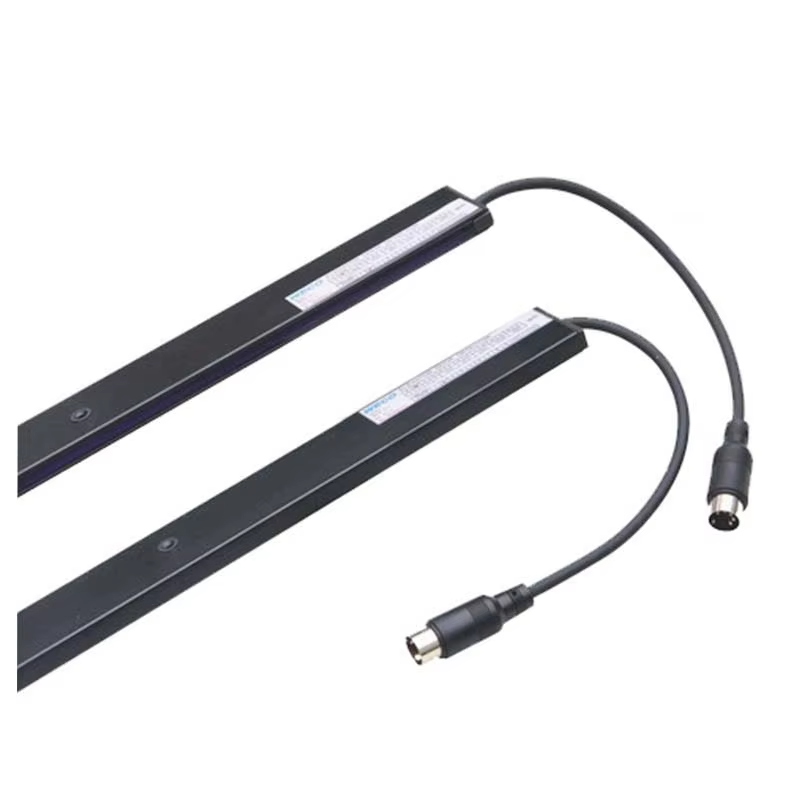
Sensors detect obstructions in the doorway to prevent doors from closing on passengers, while interlocks ensure the elevator cannot move unless the doors are fully closed and secured.
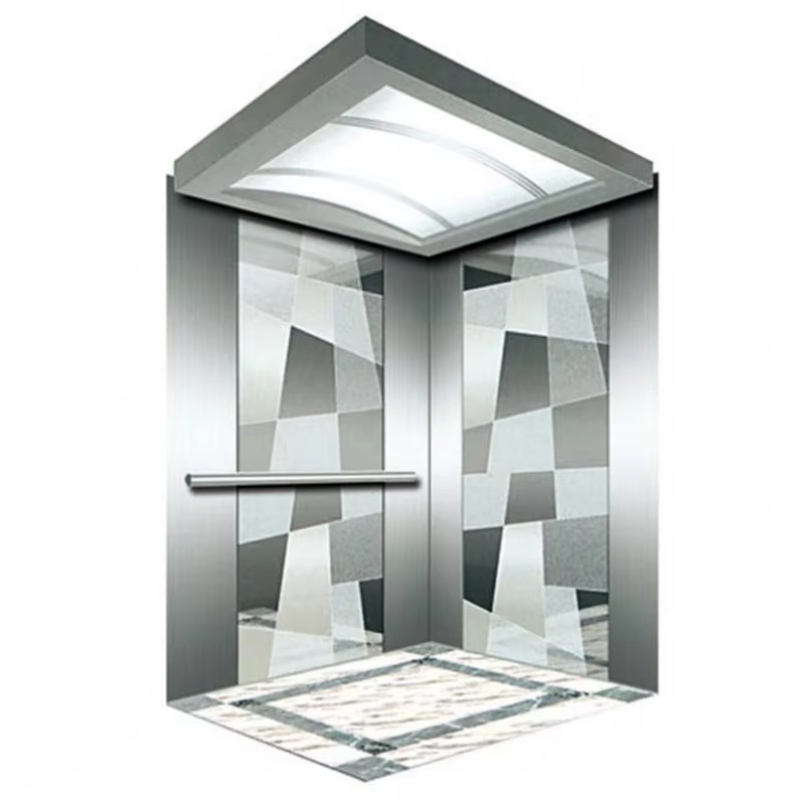
Passenger elevators serve a wide range of building types, each with slightly different priorities around speed, capacity, and interior design.
Selecting the right passenger elevator system requires careful planning around building specifications and expected usage patterns.
Taller buildings with more floors generally require traction elevators for their speed and efficiency, while shorter buildings may find hydraulic systems more cost-effective.
Calculating peak traffic patterns helps determine the appropriate car size, speed, and number of elevators needed to avoid long wait times during busy periods.
Passenger elevators must meet accessibility standards, including appropriate door widths, cabin dimensions, and control panel heights, to accommodate riders with disabilities.
Routine maintenance is essential for keeping passenger elevators safe, efficient, and compliant with building safety codes.
Staying consistent with these maintenance tasks helps building owners avoid costly downtime, extend equipment lifespan, and ensure passenger elevators continue providing safe, dependable service for everyone who relies on them daily.
Tel/wechat/whatsapp: +86-13812695057
E-mail: [email protected]
Add: Building 7, No. 268, Chang 'an Road, Bache Sub-district, Dong Taihu Ecological Tourist Resort (Taihu New Town), Wujiang District, Suzhou City, Jiangsu Province, China