

 English
 Español
Home / News / Industry News / The Complete Guide to Villa Elevators: Types, Costs, and Everything You Need Before You Buy
Industry News

Tel/wechat/whatsapp: +86-13812695057
E-mail: [email protected]
Content
A villa elevator — also referred to as a residential elevator or private home lift — is no longer a luxury reserved for the ultra-wealthy. In recent years, falling installation costs, more compact designs, and a growing awareness of long-term accessibility needs have pushed villa elevators firmly into mainstream home planning. Whether you're building a new multi-story home from scratch or retrofitting an existing property, adding a private house lift is increasingly seen as a smart investment rather than an extravagance.
The motivations vary widely. Many homeowners install a villa elevator to future-proof their home — making it accessible as they age without the need to eventually downsize or relocate. Others do it purely for convenience, eliminating the daily effort of carrying groceries, laundry, or heavy items between floors. In premium residences, a well-designed home elevator also adds significant market value and aesthetic appeal, functioning as an architectural statement as much as a practical feature.
Whatever the reason, the decision requires careful thought. The type of drive system, the shaft structure, the cabin size, the available floor space, and the local building codes all influence which elevator will work in your specific villa — and what it will ultimately cost.
The residential elevator market offers several distinct drive technologies, each with its own space requirements, ride quality, maintenance profile, and price point. Understanding the differences is the first step in making the right choice.
Hydraulic home elevators use a fluid-driven piston system to raise and lower the cab. A pump unit — typically installed in a small machine room adjacent to the shaft — pushes hydraulic fluid into a cylinder, which extends to lift the car. They are known for their smooth, quiet ride and high load capacity, typically between 300 kg and 630 kg. Hydraulic villa elevators are a strong choice for homes with two to four floors and are particularly popular in larger villas where the machine room can be easily accommodated. The main drawback is energy consumption: the pump works actively on every upward trip, and older systems may have slow response times. Modern eco-hydraulic systems address this with variable-speed pump control and fluid recapture technology.
Traction elevators use a motor and steel cables or belts to move a counterweighted cab up and down the shaft. They are the most energy-efficient option for multi-floor villas and deliver a fast, smooth ride. Gearless traction systems in particular run with minimal vibration and are virtually silent in operation. They do require either an overhead machine room or, in more modern machine-room-less (MRL) designs, a compact drive unit mounted at the top of the shaft. Traction home elevators are best suited for villas with three or more floors and are available in a wide range of cabin finishes to match luxury interior schemes.
Pneumatic residential elevators work on air pressure differential — a turbine creates a vacuum above the cab to pull it upward, and controlled air release lowers it back down. These elevators require no shaft construction, no machine room, and no pit, making them the most installation-friendly option for existing villas. The self-supporting cylinder can be installed virtually anywhere with sufficient ceiling height. The trade-off is cabin size (typically limited to one or two passengers) and load capacity (usually 200–250 kg), making them better suited for personal use rather than moving furniture or heavy equipment. Their panoramic polycarbonate cylinder also gives them a distinctive, futuristic visual presence.
This drive system uses a threaded steel screw column and a motorized nut that travels up and down the screw to move the cab. Screw-drive villa elevators are compact, do not require a machine room or pit, and can fit into tight spaces with a footprint starting from around 0.6 m². They are slower than traction or hydraulic systems — typically 0.10 to 0.15 m/s — but their simplicity means fewer mechanical components and lower long-term maintenance requirements. They are particularly popular for two-story villas and retrofit applications where minimizing structural disruption is a priority.
Chain drive and flat belt drive systems offer a middle ground between hydraulic and traction technologies. Belt drive residential elevators in particular use fiber-reinforced polymer belts instead of steel cables, delivering whisper-quiet operation and very smooth travel. These systems are compact, energy-efficient, and well-suited for modern and contemporary villa interiors where noise levels and aesthetics matter. They are machine-room-free and require only a shallow pit or no pit at all in some models.
Here's a quick comparison to help you evaluate which drive system fits your situation best:
| Type | Machine Room Needed | Pit Required | Load Capacity | Best For |
| Hydraulic | Yes (small room) | Yes | 300–630 kg | 2–4 floors, new builds |
| Traction (MRL) | No | Shallow pit | 250–400 kg | 3+ floors, energy efficiency |
| Pneumatic | No | No | 200–250 kg | Retrofits, design-forward homes |
| Screw-and-Nut | No | No | 200–300 kg | Compact spaces, 2-story villas |
| Belt Drive | No | Minimal or none | 250–400 kg | Quiet, modern interiors |
The cost of a villa elevator varies considerably depending on drive type, cabin finishes, number of stops, shaft construction, and regional labor rates. The figures below reflect typical all-in installation costs including equipment, shaft construction (where required), electrical work, and commissioning — but excluding any major structural modifications to the building.
| Elevator Type | Typical Price Range (USD) | Notes |
| Pneumatic (vacuum) | $15,000 – $35,000 | No shaft needed; fastest install |
| Screw-and-Nut Drive | $18,000 – $40,000 | Low maintenance; no pit/machine room |
| Hydraulic Villa Elevator | $20,000 – $55,000 | Higher capacity; needs machine room |
| MRL Traction Elevator | $25,000 – $60,000 | Energy efficient; ideal for 3+ floors |
| Custom Luxury Home Elevator | $60,000 – $150,000+ | Bespoke finishes, panoramic glass, designer cabs |
Beyond the initial purchase, plan for annual maintenance contracts (typically $500–$1,500 per year depending on type and region), periodic component replacements such as hydraulic fluid or cable inspection, and any permit renewal requirements mandated by your local authority.
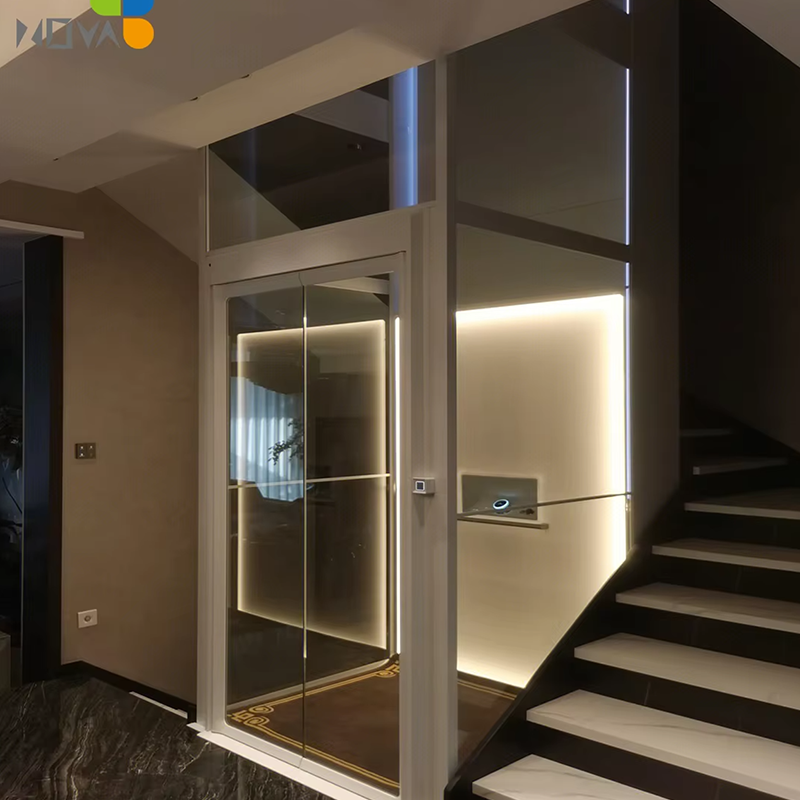
One of the most underestimated aspects of installing a home elevator is the structural preparation involved. Depending on the drive type and your home's existing construction, the scope of work can range from a weekend job to a months-long renovation project.
Most traditional villa elevators — hydraulic and traction types — require a dedicated shaft. This is typically a reinforced concrete or steel-framed enclosure that runs the full height of the building. For new builds, the shaft is incorporated into architectural drawings from the start. For retrofits, cutting through existing floor slabs and building a structural shaft can add $5,000–$25,000 or more to your total project cost, depending on the material of your existing floors and walls. Some homeowners repurpose existing stairwells, closets, or storage spaces to minimize this work.
Hydraulic and traction elevators typically require a pit — a recessed area below the ground floor landing, usually 150–600 mm deep — where the cab can travel below the lowest floor level when fully descended. They also have minimum overhead clearance requirements at the top of the shaft, usually 2,200–2,500 mm above the highest floor landing. If your home has limited ceiling height or a concrete slab ground floor, these requirements may necessitate additional excavation or structural modifications. Pit-free designs exist for screw-drive and belt-drive systems and should be prioritized if excavation is not feasible.
All villa elevators require a dedicated electrical circuit. Most residential lifts run on a standard single-phase 220–240V supply with 16–32A capacity. Larger hydraulic or traction systems may require three-phase power. A licensed electrician must install the circuit in compliance with local wiring regulations, and many jurisdictions require a separate isolator switch near the elevator machine or control unit. Budget for approximately $500–$2,000 for dedicated electrical work, depending on panel capacity and cable run distance.
Safety is non-negotiable when selecting a villa elevator. Reputable manufacturers design their residential lifts to comply with international and regional safety standards, which typically cover structural integrity, electrical safety, door locking mechanisms, emergency features, and load ratings. Before purchasing, confirm the elevator meets the relevant standards for your country or region:
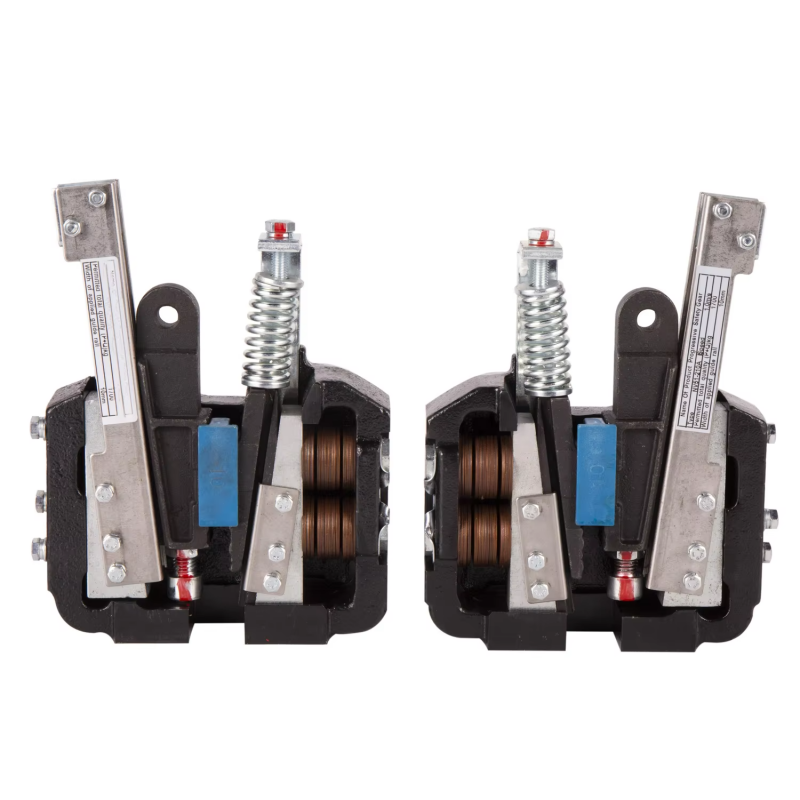
Beyond certifications, every villa elevator should include core safety features as standard: a safety gear or parachute device to stop the cab if the cable or drive mechanism fails, door interlocks that prevent the cab from moving unless all doors are fully closed and locked, an emergency lowering function for power failures, a telephone or intercom system for entrapment situations, and overload protection to prevent operation above the rated load.
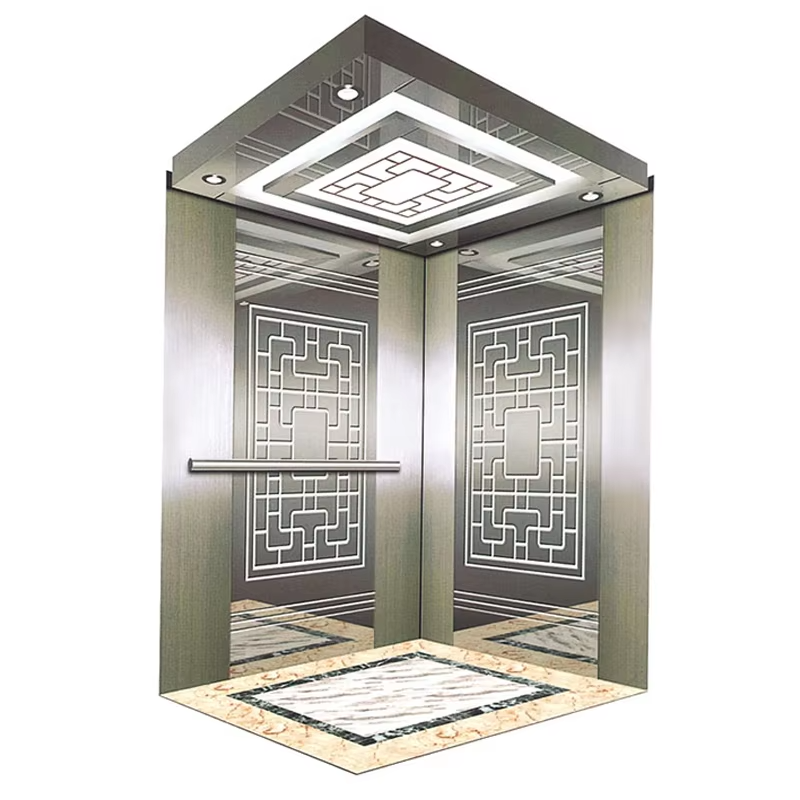
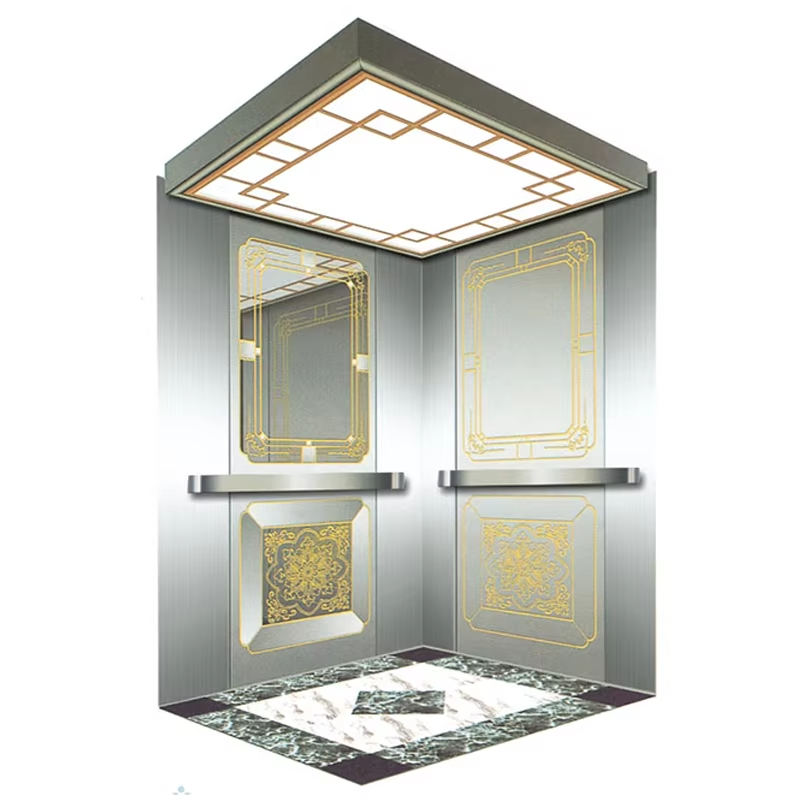
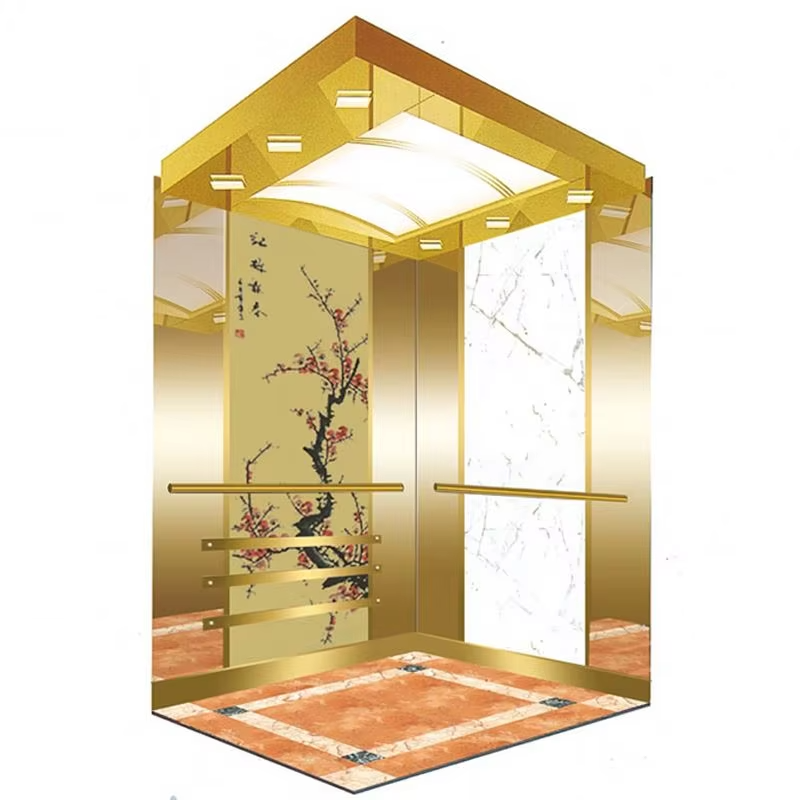
In a luxury villa, the elevator cabin is a visible design element — it needs to complement the home's interior rather than clash with it. Modern residential elevator manufacturers offer extensive customization across every surface of the cabin:
Before signing a contract with any residential elevator supplier, make sure you get clear answers to the following questions. Vague or evasive responses are a red flag.
Installing a villa elevator during the construction of a new home is significantly simpler and cheaper than retrofitting one into an existing structure. In a new build, the shaft, pit, overhead clearance, electrical conduit, and machine room space can all be planned and built into the structure from the outset. This adds relatively little to the overall construction budget — typically $3,000–$8,000 more than if you were to leave the space as empty shell — and eliminates the need for any demolition or structural repair work later.
Retrofitting a residential elevator into an existing villa is more complex but entirely feasible in most cases. The key is finding a drive system that matches your available space and minimizes structural disruption. Pneumatic and screw-drive elevators are the most retrofit-friendly options because they don't require a pit or machine room, and their self-supporting structures can be positioned almost anywhere with the right ceiling height. Hydraulic and traction systems can also be retrofitted, but they typically require more extensive construction work to create the shaft and pit.
Regardless of whether your project is new build or retrofit, always engage a structural engineer to review load-bearing implications before cutting any slabs or walls. The weight of the elevator — shaft, cab, drive system, and counterweights — must be properly distributed to the building's foundation, and this analysis should never be skipped.
In the right market, a well-installed residential elevator can meaningfully increase a villa's resale value and marketability. Properties equipped with home elevators appeal to a wider demographic — including older buyers, families with young children, buyers with mobility considerations, and premium buyers who associate the feature with high-end living. In luxury villa markets, the absence of an elevator is increasingly viewed as a deficiency in properties above a certain size or price point.
Real estate data from multiple markets suggest that a home elevator can add between 10% and 25% to the value of a property in the right segment. However, the return depends heavily on the quality of the installation, the cabin finish, and whether the elevator is perceived as blending seamlessly into the home's design. A poorly finished or dated elevator can actually detract from value, so investing in a quality cabin that matches the home's interior is important both for daily enjoyment and eventual resale.
From a purely practical standpoint, the value case is even clearer for aging homeowners: the cost of a villa elevator is almost always lower than the cost of relocating to a single-story property or an assisted living facility. It allows families to stay in the homes they love, on their own terms, for significantly longer.
Tel/wechat/whatsapp: +86-13812695057
E-mail: [email protected]
Add: Building 7, No. 268, Chang 'an Road, Bache Sub-district, Dong Taihu Ecological Tourist Resort (Taihu New Town), Wujiang District, Suzhou City, Jiangsu Province, China