

 English
 Español
Home / News / Industry News / What Is a Food Dumbwaiter Lift? A Simple Guide for Restaurants and Homes
Industry News

Tel/wechat/whatsapp: +86-13812695057
E-mail: [email protected]
Content
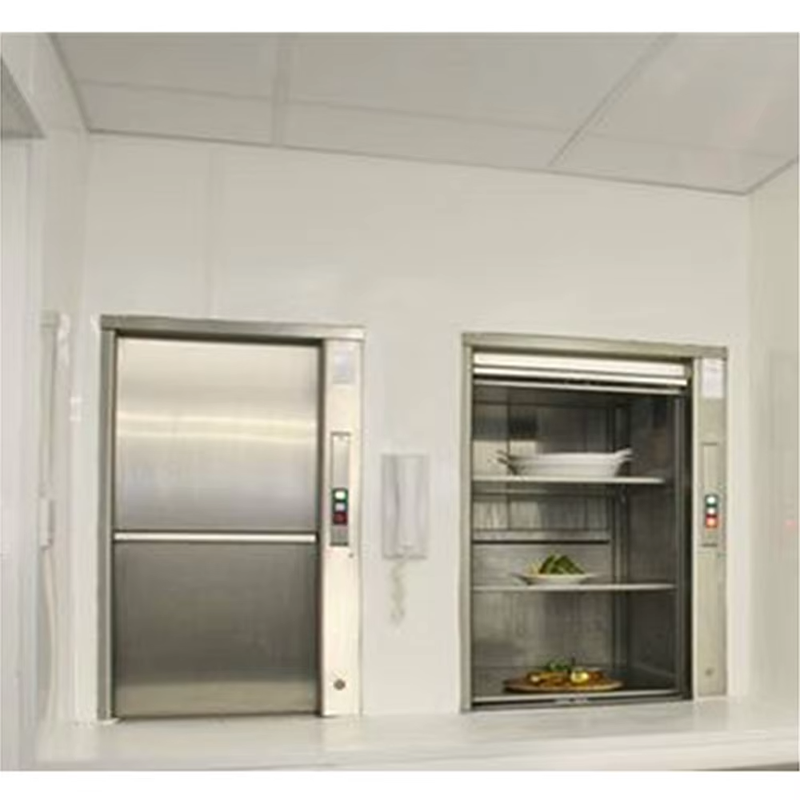
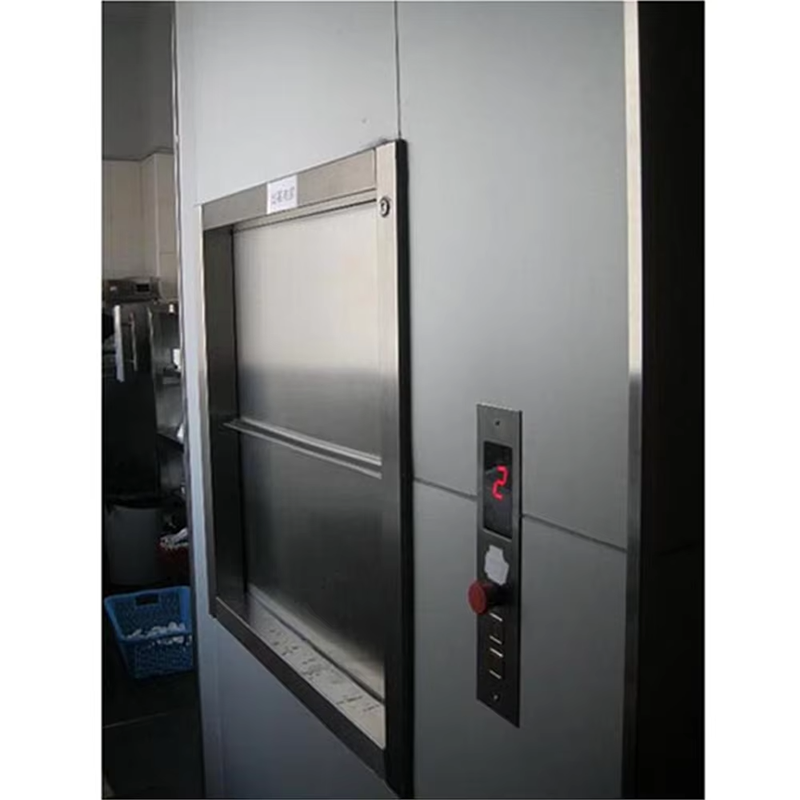
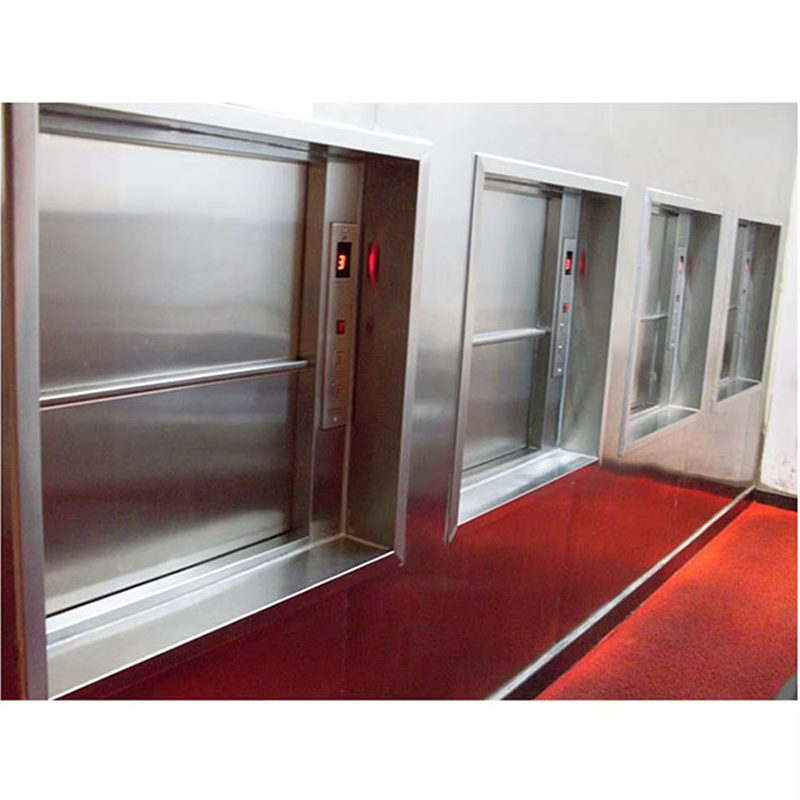
A food dumbwaiter lift is a small mechanical elevator built specifically to move food, dishes, and kitchen supplies between different floors of a building. Unlike passenger elevators, a food dumbwaiter lift is not designed to carry people — it's a compact, enclosed platform that travels vertically through a shaft, connecting a kitchen on one level to a dining room, banquet hall, or storage area on another. You'll commonly find this equipment in restaurants, hotels, hospitals, catering halls, and even multi-story homes where the kitchen and dining space are on separate floors.
The main appeal of a food dumbwaiter lift is efficiency. Instead of staff carrying heavy trays up and down stairs, the lift does the physical work, reducing spills, cutting down on labor time, and lowering the risk of workplace injuries. For busy commercial kitchens, this small piece of equipment can make a noticeable difference in how smoothly service runs during peak hours.
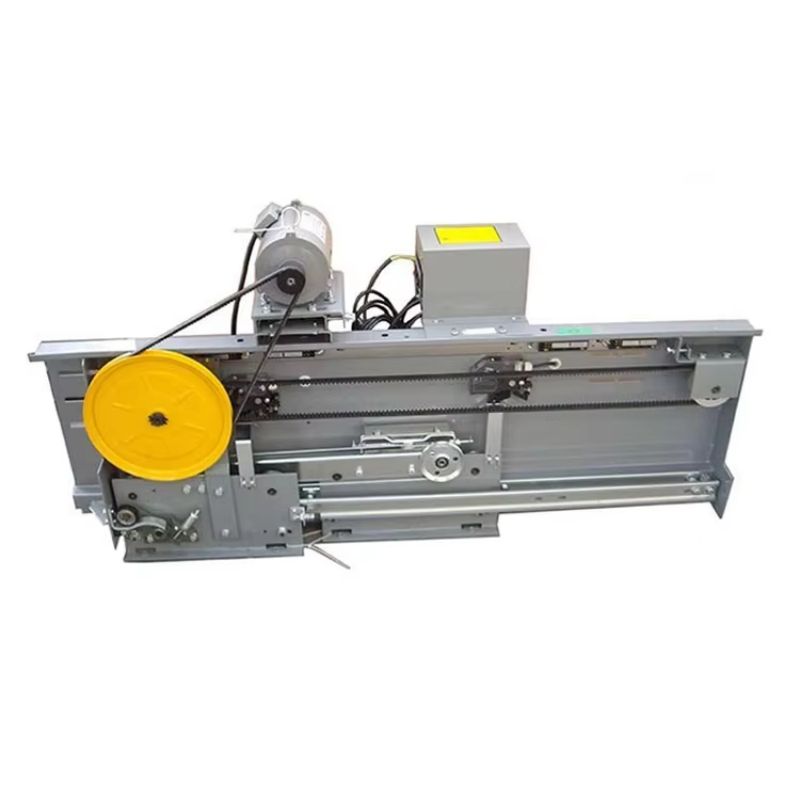
At its core, a food dumbwaiter lift operates much like a miniature elevator. A car or platform sits inside a vertical shaft and is raised or lowered using an electric motor connected to a system of cables, chains, or a screw-drive mechanism. Staff load food or dishware onto the platform, close the access door, and press a button to send it to the desired floor. On the receiving end, another staff member opens the door and unloads the items.
Not every food dumbwaiter lift is built the same way. The right type depends on the building layout, load requirements, and how frequently the lift will be used throughout the day.
| Type | Best For | Typical Capacity |
| Electric traction dumbwaiter | Restaurants and hotels with frequent daily use | 100–500 lbs |
| Hydraulic dumbwaiter | Heavier loads or buildings with limited headroom | 300–750 lbs |
| Residential dumbwaiter lift | Homes with multiple floors and small kitchens | 50–150 lbs |
| Dumbwaiter with cart transfer | Hospitals and catering operations moving trays in bulk | 300–1,000 lbs |
Adding a food dumbwaiter lift to a multi-level kitchen setup brings advantages that go well beyond simple convenience. Below are the most common reasons businesses invest in one.
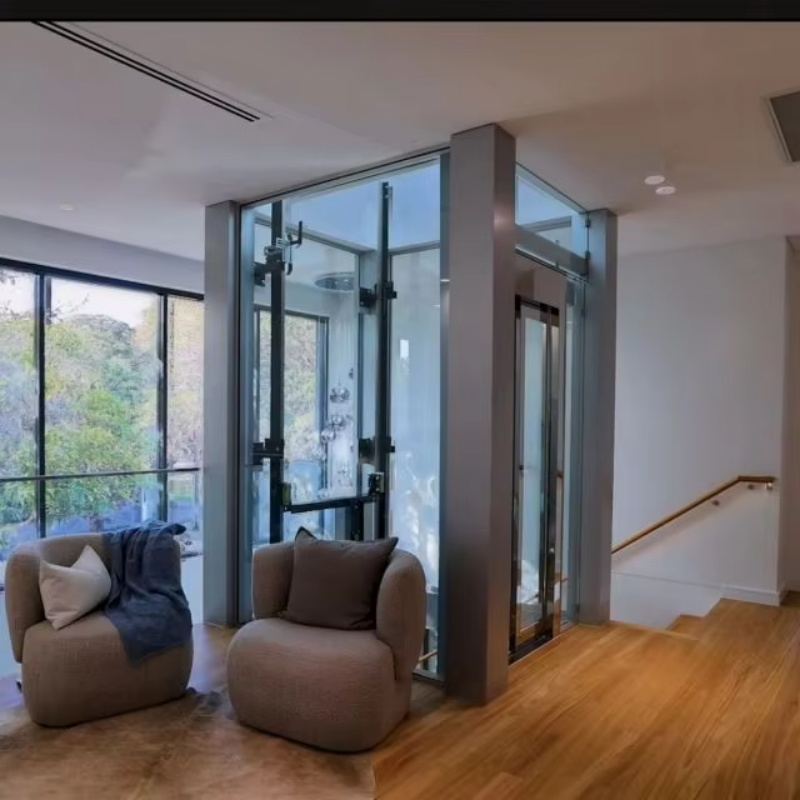
While the image of a dumbwaiter often brings to mind old-fashioned mansions, today's food dumbwaiter lifts are widely used across a range of commercial and residential settings. Restaurants with rooftop or basement dining rooms rely on them to keep service fast without building a full kitchen on every level. Hotels use them to move room-service trays and banquet catering between central kitchens and event floors. Hospitals and care facilities use larger models to transport meal carts to patient floors efficiently and hygienically. Homeowners with multi-story houses also install smaller residential units to avoid carrying groceries or meals up and down stairs.
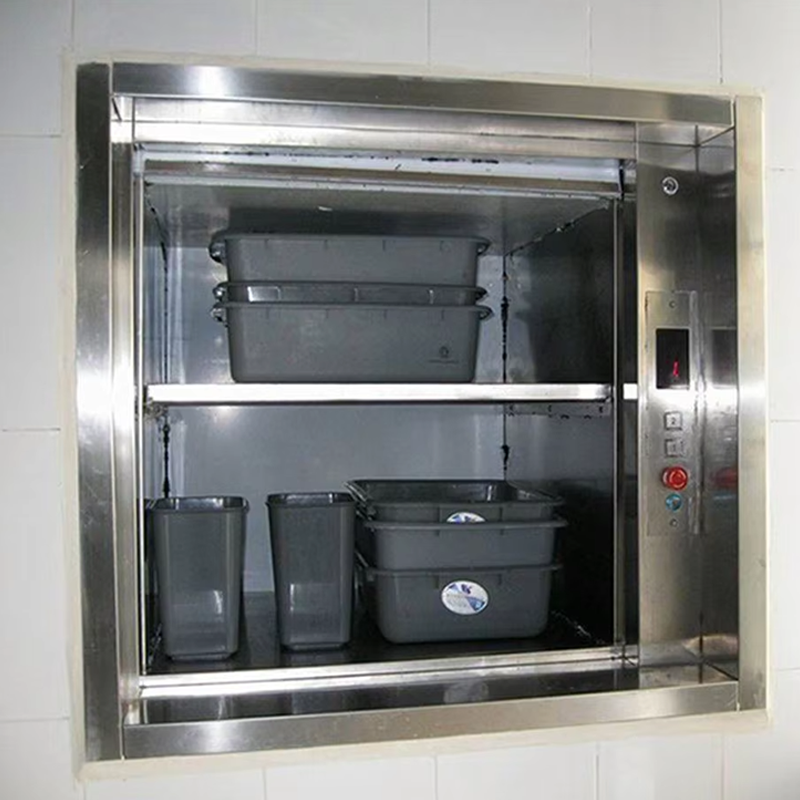
Picking the right food dumbwaiter lift isn't just about grabbing the cheapest option — the wrong size or power rating can slow down service instead of speeding it up. Here are the main factors to weigh before buying.
Think about the heaviest and bulkiest items you'll regularly move, such as full catering carts or stacked dish trays, and choose a lift rated comfortably above that weight. Measure the car's interior dimensions against your largest trays or containers to avoid a tight fit that slows down loading and unloading.
A faster lift reduces wait times during peak service, but speed should be balanced against smooth, controlled movement to avoid spills. Electric traction models tend to offer a good mix of speed and reliability for daily commercial use, while hydraulic systems are often chosen when heavier loads are involved.
Look for interlocked doors that prevent the car from moving while a door is open, emergency stop buttons, and overload sensors that stop operation if the lift is loaded beyond its rated capacity. These features protect both staff and equipment from accidents.
Proper installation and regular upkeep keep a food dumbwaiter lift running safely for years. Since the lift travels through a shaft that connects multiple floors, planning ahead with a qualified installer avoids costly structural changes later on.
Pricing for a food dumbwaiter lift varies based on capacity, number of floors served, and drive type. Below is a general breakdown to help set expectations before requesting quotes.
| Lift Type | Estimated Equipment Cost | Installation Cost |
| Residential dumbwaiter lift | $3,000–$8,000 | $2,000–$5,000 |
| Small commercial dumbwaiter | $8,000–$15,000 | $4,000–$10,000 |
| Large commercial dumbwaiter | $15,000–$30,000+ | $8,000–$20,000 |
A food dumbwaiter lift is considered a piece of vertical transportation equipment, which means it typically falls under local building and elevator safety codes. In the United States, this often means compliance with ASME A17.1 standards, along with local fire and health department requirements for commercial kitchens. Before installation, check with your local building authority to confirm permit requirements, required inspections, and any accessibility or fire-rating rules specific to your area. Working with an installer familiar with these codes helps avoid delays and ensures the lift passes inspection on the first try.

Tel/wechat/whatsapp: +86-13812695057
E-mail: [email protected]
Add: Building 7, No. 268, Chang 'an Road, Bache Sub-district, Dong Taihu Ecological Tourist Resort (Taihu New Town), Wujiang District, Suzhou City, Jiangsu Province, China