

 English
 Español
Home / News / Industry News / Elevator Car Frame Guide: Structure, Materials, and Sourcing Tips for OEM Projects
Industry News

Tel/wechat/whatsapp: +86-13812695057
E-mail: [email protected]
When people search for “car frame,” they may be thinking about automotive chassis or elevator cabins. In the elevator industry, the car frame is the structural backbone that carries the elevator car—the cabin—along the guide rails. It is one of the most important mechanical assemblies in any traction elevator, and it directly affects ride comfort, safety, and long-term reliability. Whether you are an elevator manufacturer, an installation contractor, or a maintenance company sourcing replacement parts, understanding the car frame helps you make better decisions. At VITIN, we have supplied elevator components for many years, and we have seen how small design choices in the car frame can create big differences in the field.
An elevator car frame, also called a car sling or cabin frame, is the steel structure that supports the elevator cabin. It connects the cabin platform to the guide shoes, the rope sockets, and the safety gear. In a typical traction elevator, the car frame runs vertically along the guide rails and transfers the weight of the cabin, passengers, and cargo to the suspension ropes. The counterweight frame is a separate but closely related assembly, and together they form the moving mass of the elevator system.
The term “car” here comes from the elevator car, the compartment that carries people or goods. This is very different from an automobile frame. If you are working on elevator projects, the car frame is a load-bearing structural component that must meet elevator codes and match the specific shaft layout. It usually consists of an upper beam, a lower beam, two vertical uprights, a platform or chassis, and mounting brackets for guide shoes and safety devices.
The car frame is not just a support bracket. It is part of the elevator’s primary load path. When the traction machine lifts the car, the force travels through the ropes, into the rope sockets, through the car frame, and into the cabin. The frame must handle static loads, dynamic loads during acceleration and deceleration, and emergency loads when the safety gear engages. A well-designed car frame keeps the cabin level, reduces vibration, and helps the guide shoes run smoothly along the rails.
If the car frame is too flexible or poorly aligned, passengers may feel vibration, hear noise, or experience uneven stops. Over time, a weak frame can accelerate guide rail wear and cause door alignment problems. In severe cases, it can affect the performance of the safety gear. That is why car frame selection should never be based on price alone. It should match the rated load, speed, guide rail type, and safety gear requirements of the project.
A standard car frame includes several key parts. The exact design varies by elevator type, but the following table gives a practical overview of what you will find in most traction elevator systems.
| Component | Function | Typical Material |
|---|---|---|
| Upper beam | Supports the top of the cabin and connects to rope sockets | High-strength steel |
| Lower beam | Carries the cabin platform and lower guide shoe mounts | High-strength steel |
| Vertical uprights | Connect upper and lower beams and resist bending loads | Steel channels or box sections |
| Platform chassis | Forms the base for the cabin floor and distributes weight | Steel frame with plywood or metal deck |
| Guide shoe brackets | Hold sliding or roller guide shoes against the rails | Steel or cast iron |
| Safety gear mounts | Provide a fixing point for the safety gear assembly | High-strength steel |
Depending on the elevator model, you may also see additional reinforcement plates, vibration dampers, and rope socket support beams. For machine-room-less elevators, the car frame often needs a more compact profile to fit the reduced shaft space.
Most elevator car frames are made from carbon steel or high-strength steel, then painted or galvanized for corrosion protection. Stainless steel is sometimes used for visible parts or for projects in humid and coastal environments. The structural sections can be C-shaped channels, hat channels, rectangular tubes, or boxed sections. The choice depends on load capacity, stiffness requirements, and manufacturing cost.
Construction methods also vary. Some car frames are fully welded, while others use bolted connections for easier shipping and on-site assembly. A welded frame can be very rigid, but it requires careful quality control to avoid distortion. A bolted frame is more flexible for transport and can be adjusted during installation. For OEM projects, we often produce car frames to customer drawings, using high-strength steel and stainless steel options to match specific cabin designs.
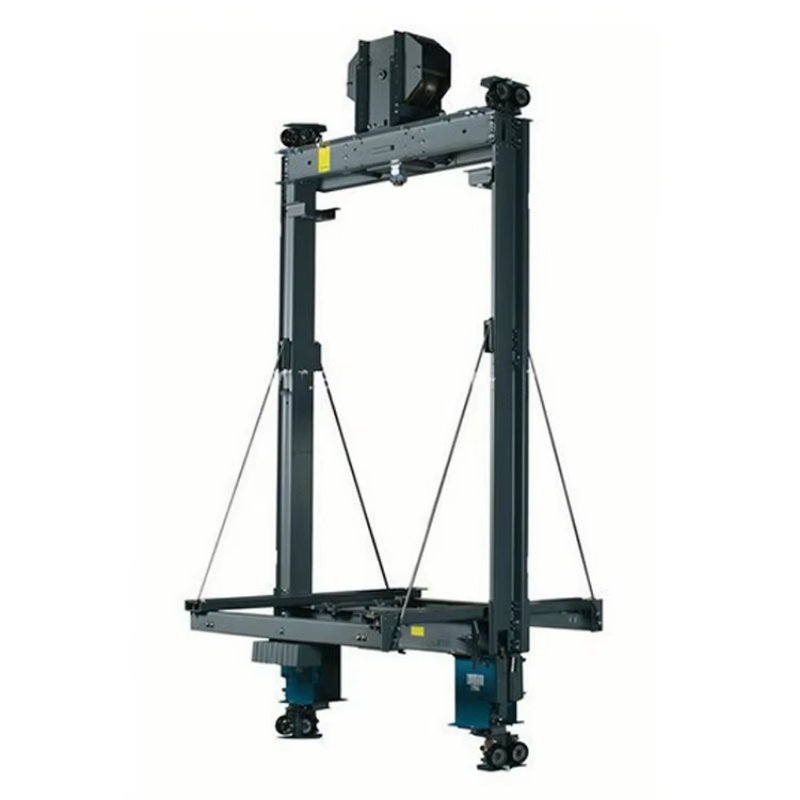 VTSP141 OEM Elevator Car Frame Manufacturer High-Strength Steel_Stainless Steel Car Frame VTSP183 Professional Brand Stainless Steel Automatic Elevator Door Operator System ISO9001 CE Certification for Passenger LiftView Product →
Choosing a car frame starts with the elevator specifications. You need to know the rated load, car width and depth, travel height, speed, and guide rail model. The roping ratio and traction machine position also affect the frame design. For example, a 2:1 roping system places different loads on the upper beam than a 1:1 system. Safety gear type is another critical factor because the frame must withstand the forces generated during an emergency stop.
Here are the main points to check before ordering:
For modernization projects, the new car frame must fit the existing shaft and guide rails. In many cases, a custom frame is more practical than trying to adapt a standard model. The counterweight frame also needs to match the existing counterweight guide rails and fill weight. A heavy-duty counterweight frame assembly can be a good choice for apartment and villa elevators where quiet operation and long service life are important.
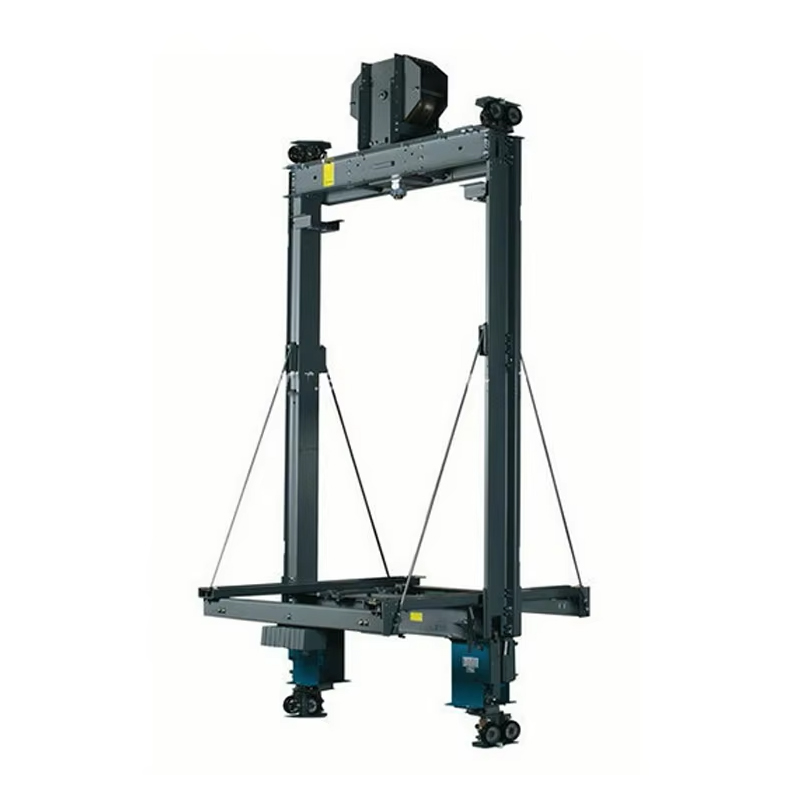 VTSP142 Heavy-Duty Elevator Counterweight Frame Assembly for Apartment Villa Use StainlessNova standard parts includes several assemblies listed as below:View Product →
Correct installation is essential for car frame performance. The frame should be leveled and aligned with the guide rails before the cabin is fully loaded. Bolts must be tightened to the specified torque, and welded joints should be inspected for cracks or undercut. Guide shoe clearances should follow the manufacturer’s instructions. After installation, run the elevator through a complete test cycle and check for vibration, noise, and uneven leveling.
During routine maintenance, inspect the car frame for loose bolts, corrosion, and deformation. Pay attention to the areas around the safety gear mounts and rope sockets, because these points carry high loads. If the elevator is installed in a humid environment, check the paint or coating for damage and repair it promptly. For a deeper look at related shaft components, our guide rail selection guide explains how rails and frames work together.
Keeping the car frame in good condition helps extend the life of the guide rails, reduce maintenance costs, and maintain a comfortable ride for passengers. It is also a safety issue: a damaged or misaligned frame can affect the safety gear and the overall stability of the elevator.
At VITIN, we understand that every elevator project has its own constraints. Our team produces OEM car frames, counterweight frames, and related cabin components for elevator manufacturers, contractors, and spare parts distributors. We work with high-strength steel, stainless steel, and other materials, and we can customize dimensions, mounting points, and surface treatment to match your drawings.
Whether you need a complete car frame for a new elevator or a replacement frame for a modernization project, we are ready to help. You can browse our complete car frame category to see standard options, or contact our team with your specifications. We will review the load, rail, and safety requirements with you and recommend a practical solution.
An elevator car frame may be hidden behind the cabin walls, but it plays a central role in safety, comfort, and reliability. By choosing the right structure, materials, and mounting details, you can avoid vibration problems, reduce wear, and keep the elevator running smoothly for years. As an experienced elevator component supplier, VITIN is here to support your project from specification to delivery. If you have questions about car frames or counterweight frames, our team is just a message away.



Tel/wechat/whatsapp: +86-13812695057
E-mail: [email protected]
Add: Building 7, No. 268, Chang 'an Road, Bache Sub-district, Dong Taihu Ecological Tourist Resort (Taihu New Town), Wujiang District, Suzhou City, Jiangsu Province, China