

 English
 Español
Home / News / Industry News / Controlling Cabinet Guide: How to Choose the Right Elevator Control Cabinet
Industry News

Tel/wechat/whatsapp: +86-13812695057
E-mail: [email protected]
Content
If you have ever stood in a lift that stopped half a floor off, or waited while the doors hesitated before closing, you were watching a controlling cabinet make decisions in real time. The controlling cabinet is the assembly that receives every call, checks every safety contact, calculates the speed curve, tells the motor how fast to turn and the doors when to open. In the most practical sense, it is the brain of the elevator.
We manufacture and supply elevator components, and control cabinets are among the parts customers ask about most often, usually installers and maintenance teams who need a replacement that fits an existing shaft, or OEMs who want a stable supply of controllers for their own lift range. This guide covers what sits inside a cabinet, how the main types differ, and what to check before you specify one.
The cabinet sits between two worlds: the low-voltage logic that talks to buttons, indicators and the safety chain, and the power electronics that drive the traction motor and door operator. During an ordinary trip it is doing several jobs at once.
Where the cabinet lives depends on the building. In a machine-room installation it is usually a floor-standing enclosure placed near the traction machine. In a machine-room-less design it is typically a slim panel mounted on a landing wall, which changes both the heat load and the wiring layout you need to plan for.
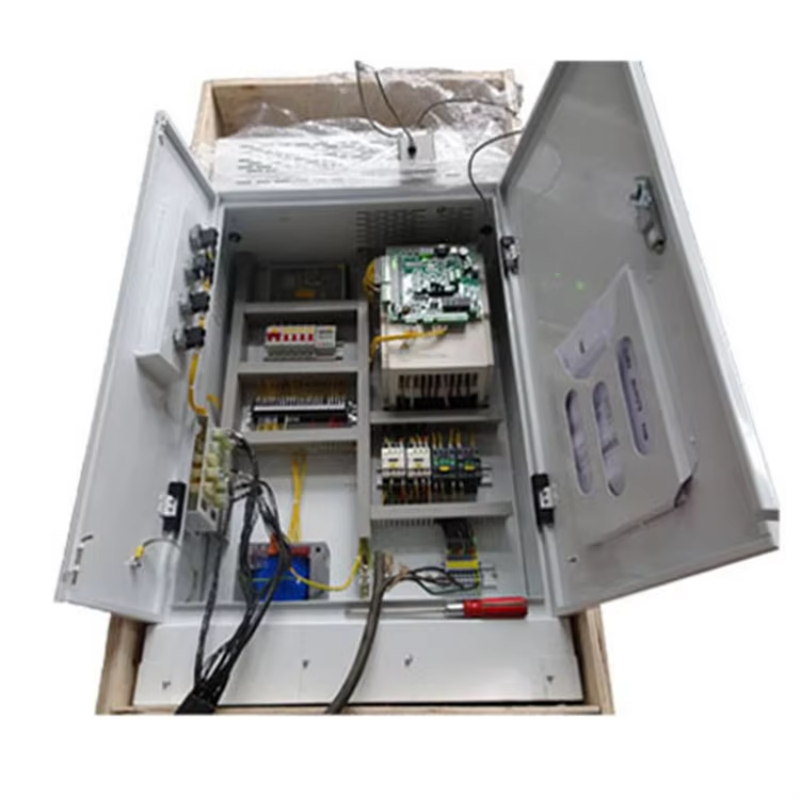
Cabinet design varies between suppliers, but the functional blocks are fairly consistent. The table below lists what you will normally find and what each block is responsible for.
| Block | Function | Maintenance note |
|---|---|---|
| Main control board | Runs lift logic, call allocation and safety chain monitoring | Record the firmware version; boards are rarely interchangeable between models |
| Inverter or drive module | Converts fixed supply into a controlled output for the traction motor | Parameters must match motor data, or starts become rough and the motor runs hot |
| Contactors and relays | Switch main power and isolate individual circuits | Contact wear is a normal consumable item, so keep spares on the shelf |
| Switching power supply | Provides stable DC rails for boards and sensors | Low-grade units fail early and can take other boards with them |
| ARD or UPS interface | Brings the rescue device into play during a power failure | Test the battery and the auto-rescue sequence at every service visit |
| Communication and I/O board | Talks to car panels, landing panels, displays and the door operator | Check shield grounding carefully on retrofit projects |
| Terminal blocks and wiring | Connect the shaft, car and machine room circuits | Label everything; undocumented rewiring is a common source of downtime |
A cabinet is only as good as the sum of these blocks, which is why we prefer to discuss the whole control architecture rather than a single board. When a customer needs a logic-and-drive unit in one housing, for example, an integrated controller with a combined main board and drive stage is often the cleanest answer.
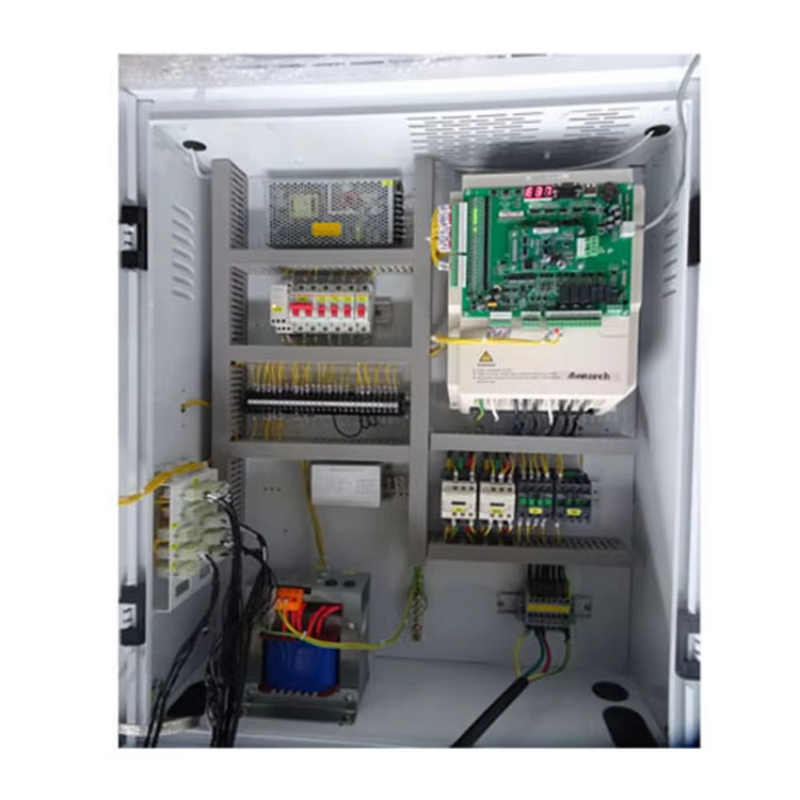 VTSP314 Integrated Elevator Controller Main BoardCustomizable integrated elevator controller and main board for machine-room lifts, covering 3.7–55 kW, up to 40 floors, and 380 V or 220 V input.View Product →
Not every cabinet solves the same problem, and choosing the wrong style can make a straightforward installation painful for years.
Logic and drive share one enclosure. They save space in machine-room-less shafts and reduce cable runs, but the trade-off is that replacement has to be like for like when a module fails.
Parallel control sends individual wires for each call back to the cabinet; serial control uses a communication bus with far fewer cores. Parallel wiring is easier to troubleshoot in older buildings, while serial wiring lowers cable cost on tall projects.
Two or more cars share call allocation so passengers wait less. These controllers need careful setup of zoning and parking logic, otherwise cars start chasing the same call.
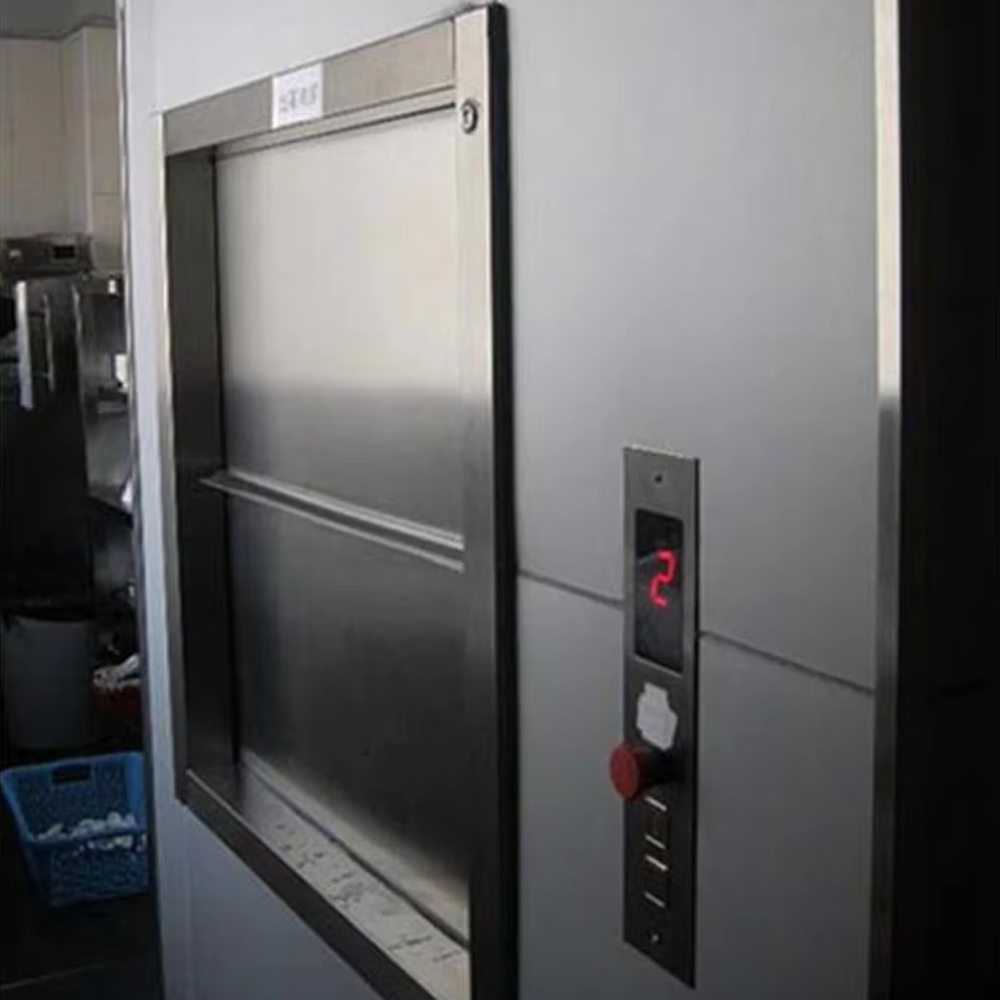
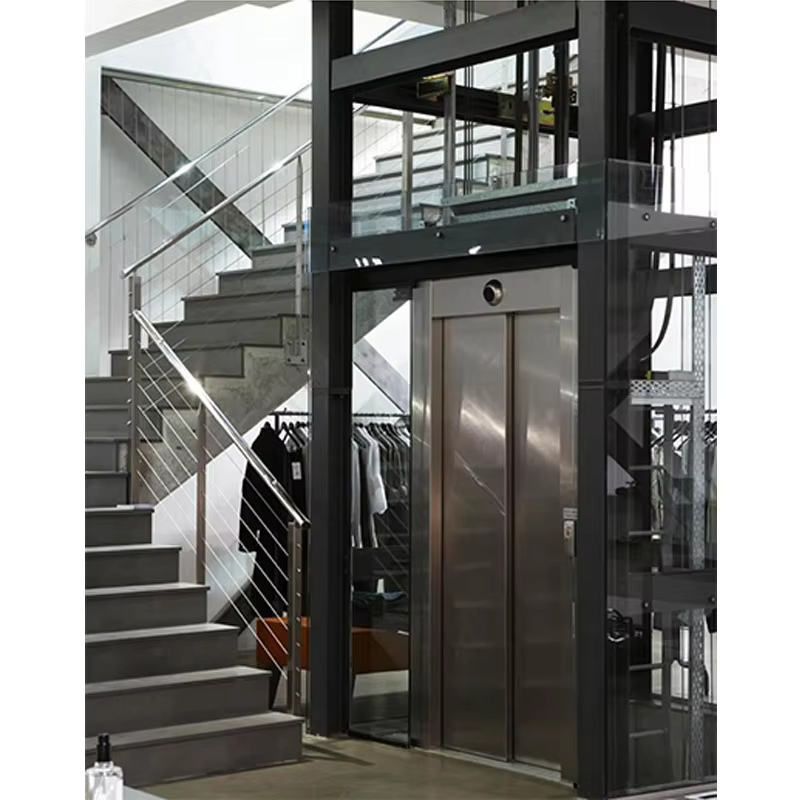
Small goods lifts, dumbwaiters and home lifts use compact cabinets with microcomputer control and simple interfaces. They look modest but still need correct safety chain handling.
You can browse the full elevator controlling cabinet range to compare enclosure formats and typical configurations side by side.
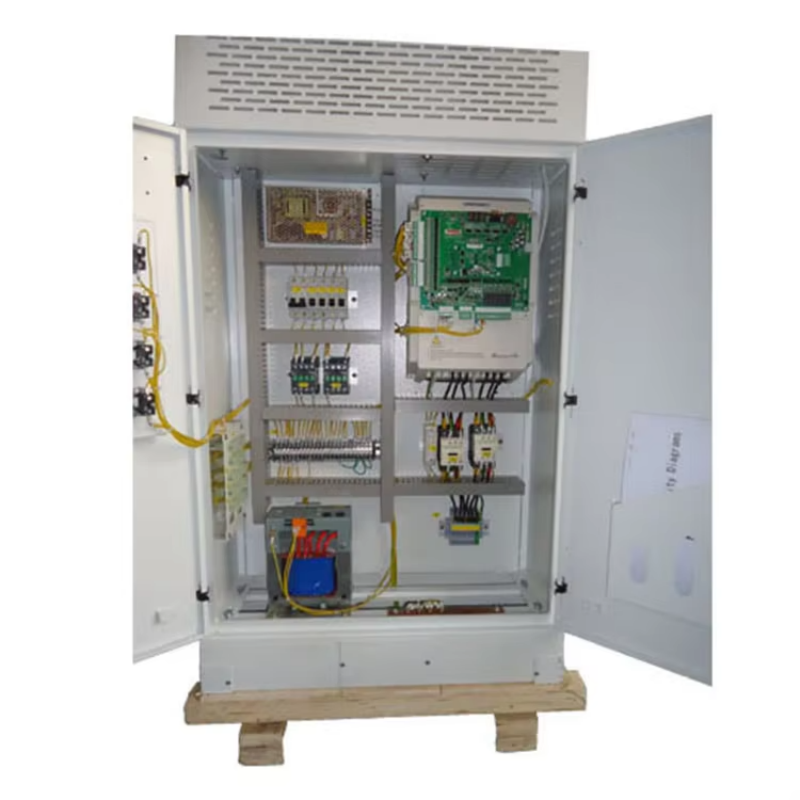 VTSP310 Nice 3000 Step Lift Control CabinetCustom elevator control cabinet with NV-L-A/B and NV380 inverter/control models, covering multiple current ratings and motor powers for lift control applications.View Product →
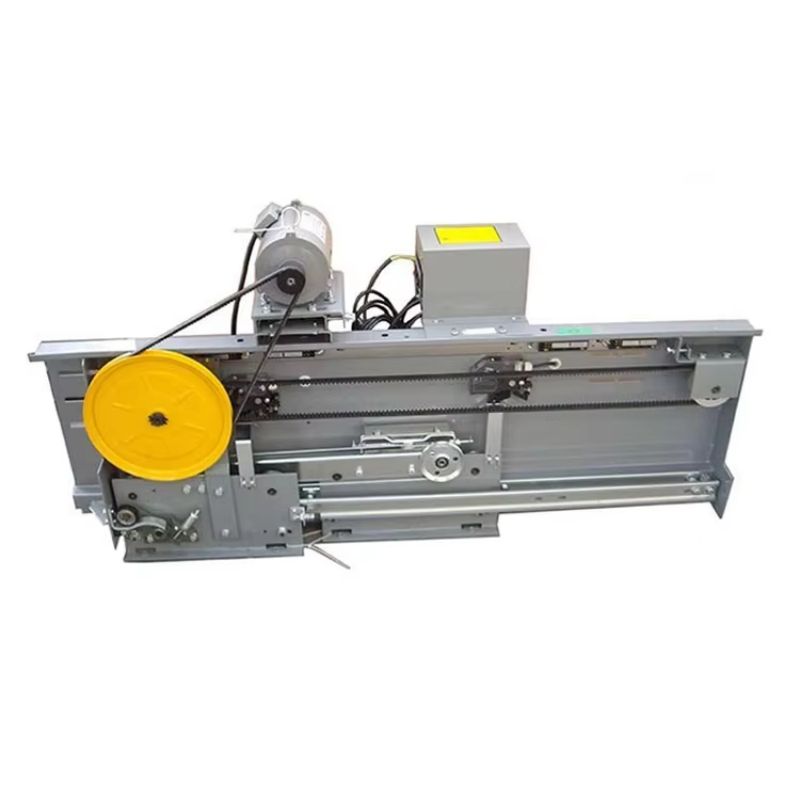
A controller and a motor are a pair, not two independent purchases. Permanent magnet gearless machines need a drive with the correct encoder feedback and a motor parameter set that reflects the actual nameplate data. Geared machines tolerate a wider range but still require brake voltage, encoder type and rated current to be entered correctly. Door operators deserve the same attention: a VVVF door operator with its own control board behaves differently from one driven directly from the main controller, and the cabinet must be ordered with the matching output.
If you are selecting both at the same time, it helps to understand what an elevator motor does and why the choice matters before you commit to a controller platform.
Certificates reassure a buyer, but documents keep a lift running. An ISO 9001 mark describes a quality system rather than a product, and EN 81 compliance applies to the complete installation, not to a cabinet in isolation. So when comparing suppliers, ask for the same set of files every time: type examination or test reports where applicable, a wiring diagram, a parameter list, an I/O list, terminal numbering, a fault code table and the firmware version. Requesting these before ordering prevents the awkward situation where a replacement cabinet arrives with no way to configure it.
A cabinet built to a certified design with full documentation is far easier to hand over to a maintenance team, which is exactly why our ISO-certified integrated drive units are supplied with parameter records rather than loose boards.
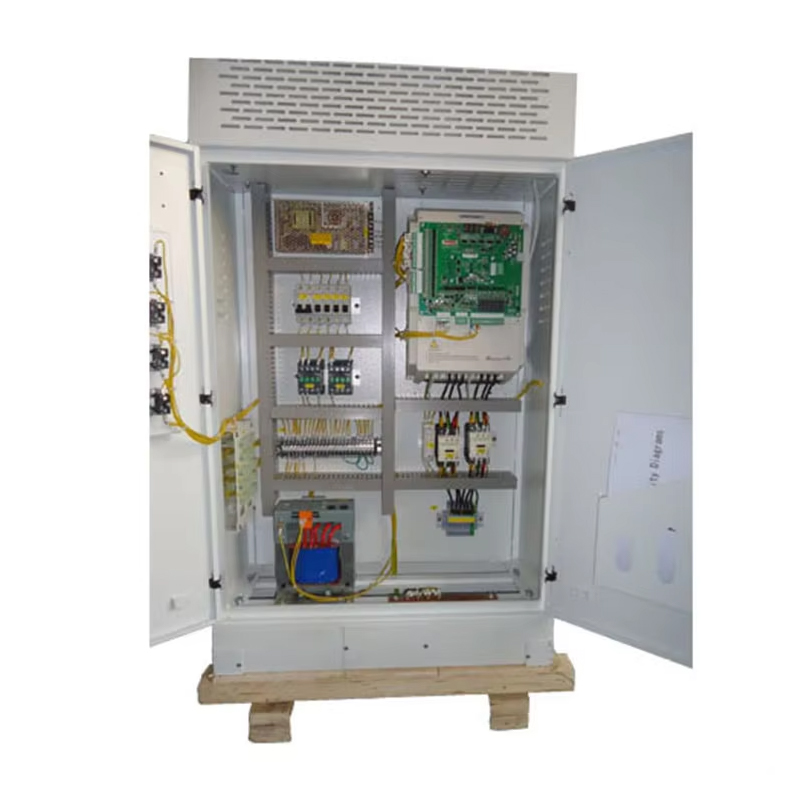 VTSP317 ISO9001:2008 Monarch Nice 3000 Integrated Drive CabinetISO-certified integrated elevator drive controller cabinet for elevators with machine, with 3.7–55 kW power, up to 40 floors, and 380 V or 220 V input.View Product →
Sooner or later most buildings face the same question. Relay logic, obsolete boards and discontinued displays eventually make repairs uneconomical. Replacing the cabinet while keeping the existing machine, ropes and car is often the sensible route, and it can extend a lift's useful life considerably.
Before committing, confirm encoder compatibility, brake voltage, the door operator interface, the leveling sensor type and how many spare cores remain in the shaft wiring. Those five details decide whether a retrofit takes three days or three weeks.
A short, complete specification saves a lot of email. Include the following:
Yes, provided the motor, brake, leveling devices and shaft wiring are documented and compatible. The cabinet is usually the easiest major component to renew.
Space and heat are the deciding factors. Integrated units suit compact machine-room-less shafts; separate drives are easier to service where there is room in a machine room.
Parameter backup. Without the original settings, a new controller has to be commissioned from motor data and shaft measurements from scratch.
Choosing a controlling cabinet is really an exercise in matching, not shopping. Get the motor data, the safety chain layout and the documentation right, and the cabinet becomes the least troublesome part of the installation. If you are unsure which configuration suits your shaft, send us the lift data and we will work through it with you.

Tel/wechat/whatsapp: +86-13812695057
E-mail: [email protected]
Add: Building 7, No. 268, Chang 'an Road, Bache Sub-district, Dong Taihu Ecological Tourist Resort (Taihu New Town), Wujiang District, Suzhou City, Jiangsu Province, China